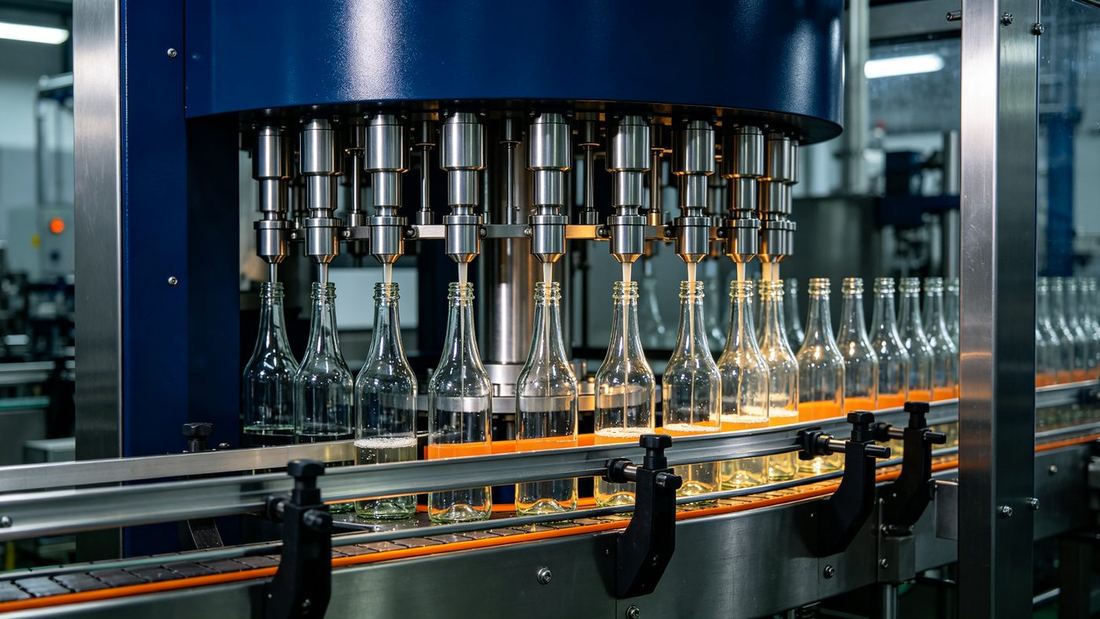
Buyers shopping for liquid filling machines usually compare fill principle, speed and price. The question that decides long-term cost of ownership is the one they ask last: how do you clean the line between runs? A filler that needs full strip-down after every changeover can cost an extra 1–2 hours per batch; a CIP-capable line costs more upfront but pays back on multi-SKU sites. This guide compares clean-in-place (CIP), sterilize-in-place (SIP), and manual disassembly wash, and tells you which one your product and hygiene grade actually require.
Quick Comparison: Three Cleaning Strategies
| Dimension | Manual Disassembly Wash | Clean-in-Place (CIP) | Sterilize-in-Place (SIP) |
|---|---|---|---|
| How it works | Strip pumps, valves and hoses; wash by hand | Circulate caustic/acid and water through the installed line at temperature and flow | Steam or hot-water hold at 121 °C+ through the installed line after CIP |
| Cycle time | 1–3 hours per changeover | 45–90 minutes | 2–3 hours (CIP + SIP hold) |
| Hygiene level | Hygienic, depends on operator | Hygienic, repeatable | Aseptic / sterile |
| Best products | Non-perishable, single-SKU, low-changeover | Dairy, sauces, beverages, cosmetics, daily changeovers | UHT, RTD, aseptic foods, pharma |
| Upfront cost | Baseline | +25–45% | +60–100% over baseline |
| Validation | Visual only | Conductivity/temperature/flow records | Biological indicator + autoclave validation |
| Operator skill | High (must reassemble correctly) | Medium (run a recipe) | High (QA-supervised) |
| Best fit | Oils, chemicals, low-SKU plants | Most food and cosmetic fillers | Aseptic lines only |
How to Choose, Step by Step
1. What is your product’s spoilage risk? Filling water, oil or a shelf-stable sauce at ambient temperature? Manual wash is acceptable if you run one product per shift. Filling dairy, juice, beer, RTD tea or any chilled product? You need CIP, because manual strip-down cannot reliably remove biofilm from pump rotors and valve seats. Filling UHT or aseptic product with no preservative? You need SIP after CIP.
2. How often do you change over? A single-SKU plant running one product 24/7 may clean once a day, and manual wash is fine. A co-packer running 8–12 SKUs a day loses 1–2 hours per changeover to strip-down; CIP pays back in under a year. Count your actual changeovers per week before deciding.
3. Can the filler even be CIP’d? Not every filler accepts CIP. Piston fillers with packings and static seals can be CIP’d if the seals are EPDM and the pump can be run backwards; gravity fillers with open troughs are easy; peristaltic and tube fillers are easiest because the product channel is a disposable tube. Ask the supplier whether the wetted path drains fully — dead legs that hold water between cycles defeat the whole point of CIP.
4. Do you have the utilities? CIP needs hot water (60–85 °C), a caustic and acid supply, a CIP return pump and floor drainage. SIP needs saturated steam at 121 °C and a condensate drain. Buyers in small bottling lines often skip the CIP chemistry setup and then run CIP with plain water, which is worse than manual wash because it looks validated but is not.
Selection Checklist Before You Ask for Quotes
- Product type, preservative level and required shelf life.
- Ambient, chilled, hot-fill or aseptic process.
- Number of changeovers per week and number of SKUs.
- Whether the product is particulate, sticky, sugary or protein-based (drives caustic choice).
- Required hygiene class: USDA 3-A, EHEDG, or aseptic.
- Available utilities: hot water, steam, floor drain, CIP return pump.
- Whether the wetted path fully drains (no dead legs).
- Seal material compatibility with caustic (EPDM vs FKM).
- Validation records needed: conductivity, temperature, time per cycle.
- Cleaning chemistry budget (caustic, acid, sanitizer).
- Available washdown space around the filler.
- Whether disposable product-contact parts (tubes, seals) reduce CIP need.
Common Buying Mistakes
Buying a CIP filler for a dry single-SKU plant. CIP adds 25–45% to the machine and requires a chemistry setup you will barely use. If you run one oil or chemical product all month, a hygienic strip-down filler is the cheaper, simpler correct choice.
Buying an aseptic SIP filler for a preserved beverage. SIP doubles the price and demands QA-supervised validation. Shelf-stable preserved products do not need it; buyers pay for sterilization they never use.
Assuming “stainless steel” means CIP-ready. Aesthetic stainless panels outside do not tell you the internal surface finish, drainability and seal material. Ask for the CIP flow diagram and a dead-leg drawing before ordering, not after.
Bottom Line
Single-SKU, shelf-stable, low-changeover products: choose a hygienic filler with manual disassembly wash. Multi-SKU food, beverage or cosmetic lines with daily changeovers: choose CIP-capable. Aseptic, UHT or preservative-free long-shelf-life products: choose CIP plus SIP. Match the cleaning level to your spoilage risk and changeover frequency — neither the cheapest strip-down machine nor the most expensive aseptic system is automatically right.
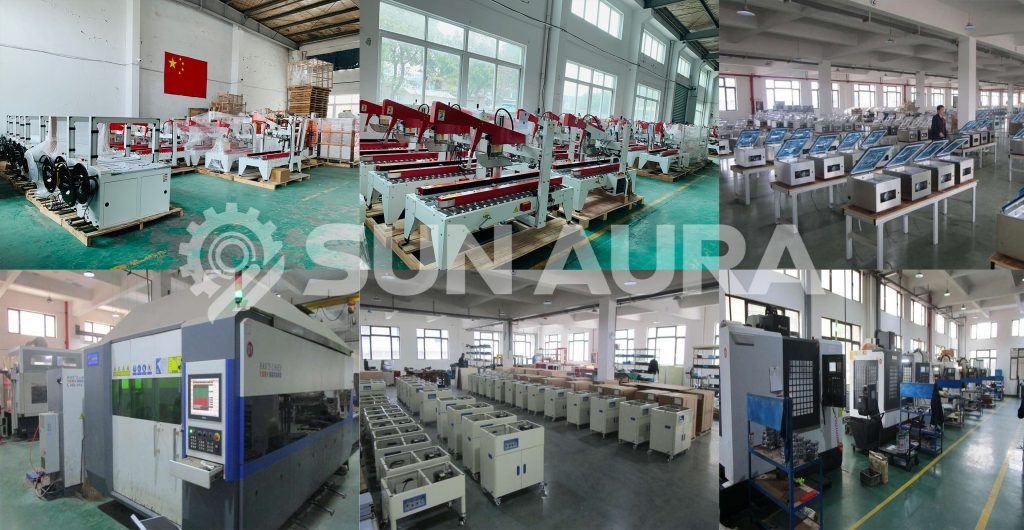
SunAura builds hygienic, CIP-ready and aseptic filling-capping lines, and supports the cleaning chemistry and validation under our after-sales service terms. Send us your product list and changeover frequency — we will spec the cleaning level you actually need.
Planning a filling line and unsure whether you need CIP? Send your products and weekly changeover count to [email protected] or on WhatsApp. We will map your cleaning requirement against filling machines and integrated lines.