

Choosing a packaging machinery manufacturer in China is one of the highest-stakes sourcing decisions a production manager will make. A carton sealing machine, case erector or shrink wrapping machine runs thousands of hours a year, and a machine that stops means a line that stops. Get the decision right and you buy years of stable output; get it wrong and you pay for it in downtime, spare parts and replacement orders.
This guide is written from the inside: SunAura Machinery has manufactured automatic packaging equipment in Qingdao, China since 2008. We are sharing the exact criteria we tell our own buyers to check — because a buyer who knows what to verify is a buyer we want to work with long-term. By the end, you will have a practical checklist for evaluating any packaging machine factory, plus the specific red flags that separate real CE-certified manufacturers from trading intermediaries.
Why the Factory Behind the Machine Matters
When you source packaging machinery from China, you are not just buying a machine — you are buying the factory’s engineering depth, quality control and willingness to stand behind its equipment. A cheap machine from a factory that cannot be audited can cost far more than the price difference in lost production. This is why the smartest buyers evaluate the reliable packaging machine supplier China on factory evidence, not on brochure photos.

1. Verify the Factory Is a Real Manufacturer, Not a Trading Intermediary
The first question to answer is structural: are you dealing with the actual automatic packaging machine manufacturer or with a trading company that resells other people’s machines?
Three ways to verify a genuine factory:
- Ask for a live video tour or in-person factory visit. A real manufacturer can point a camera at its own production floor any time. Intermediaries usually cannot, or they show a “partner factory.”
- Check for in-house machining capability. Manufacturers who machine their own core components — metal cutting, CNC machining, precision milling — control part quality and lead time. Factories that buy all finished parts externally have less control over both.
- Confirm the factory address and check it on a map. A listed address you can verify and visit is a basic trust signal.
SunAura operates a 48,000 ㎡ in-house plant in Qingdao, Shandong, with CNC vision positioning units, multi-axis CNC machining centers and hydraulic metal pressing equipment. Most core mechanical components of our packaging machines are machined on-site, which stabilizes part quality, shortens lead time and lets us support custom mechanical modifications for global clients. We welcome factory visits and live virtual tours — any buyer may verify us in real time.
2. Check Certifications and Compliance Before You Compare Prices
For buyers shipping to the European market, certification is not optional. This is where many sourcing guides get vague, so let us be specific.
CE marking — the mandatory baseline for the EU
CE is required to legally sell machinery in the European Economic Area. It is not a single certificate but a compliance system covering:
- Machinery Directive 2006/42/EC — mechanical safety, guards, emergency stops, interlocking
- Low Voltage Directive (LVD) 2014/35/EU — electrical safety
- EMC Directive 2014/30/EU — electromagnetic compatibility for machines with VFDs, servos and PLCs
A compliant machine’s technical file is built on harmonised standards such as EN ISO 12100 (risk assessment), EN 60204-1 (electrical safety) and the EN 415 series (packaging machinery safety).
ISO 9001 — the quality management backbone
An ISO 9001 packaging machinery manufacturer operates under a documented quality management system covering design, production and inspection. It is a system certificate, not a per-machine certificate, but it signals that the factory has disciplined processes rather than ad-hoc production.
How to verify a certificate is real
- Check the certificate number on the issuing body’s official website (e.g. SGS, TÜV, UDEM, ICR).
- Check the expiry date — expired certificates are worthless.
- Check that the company name and address on the certificate match the supplier you are dealing with.
- For CE, confirm the DoC (Declaration of Conformity) exists and names the applicable directives and standards.
SunAura operates under an ISO 9001 quality management system, and our products carry CE and EMC verification issued through SGS, UDEM and ICR — third-party bodies you can independently verify. Every machine also completes a 72-hour continuous running test before shipment. If a supplier cannot produce these documents, treat that as a warning, not a detail.
.jpg)
.jpg)
.jpg)
3. Evaluate Engineering Experience and Product Expertise
Longevity is one of the most reliable signals of a competent manufacturer. Companies that survive 15, 20 or more years in packaging machinery have iterated on their designs, fixed their early mistakes and built the engineering knowledge that shows up as reliable machines.
Match the manufacturer’s experience to your product:
- Carton sealing machine for e-commerce warehouse operations needs different engineering than a high-speed beverage line
- Liquid filling prioritises filling accuracy and leak-proof sealing
- Powder and granular products need dosing stability
- Irregular or long products may need a vertical lifting heat shrink packaging machine instead of a standard shrink tunnel
Ask for reference projects in your industry and your region, and ask to see machines running in customer factories — photos and videos are far more persuasive than feature lists.
SunAura’s core lineup covers automatic carton sealing machines, carton erectors with bottom sealing, case erectors, automatic strapping machines, shrink wrapping machines, vacuum packing machines, pallet wrapping machines and liquid filling machines, plus custom-engineered complete end-of-line packaging lines. With 18+ years of manufacturing and exports to more than 100 countries, we can point to references across food processing, agricultural products, daily chemicals, hardware, building materials and logistics distribution.
4. Audit Manufacturing Capability and Quality Control
A factory audit checklist should go beyond the reception area. Look for evidence of:
- Precision machining equipment — CNC machining centers, vision positioning cutting, calibration stations
- Inspection processes — parts checked for dimension and tolerance before assembly
- Assembly and testing workflow — including run-testing every machine before shipment
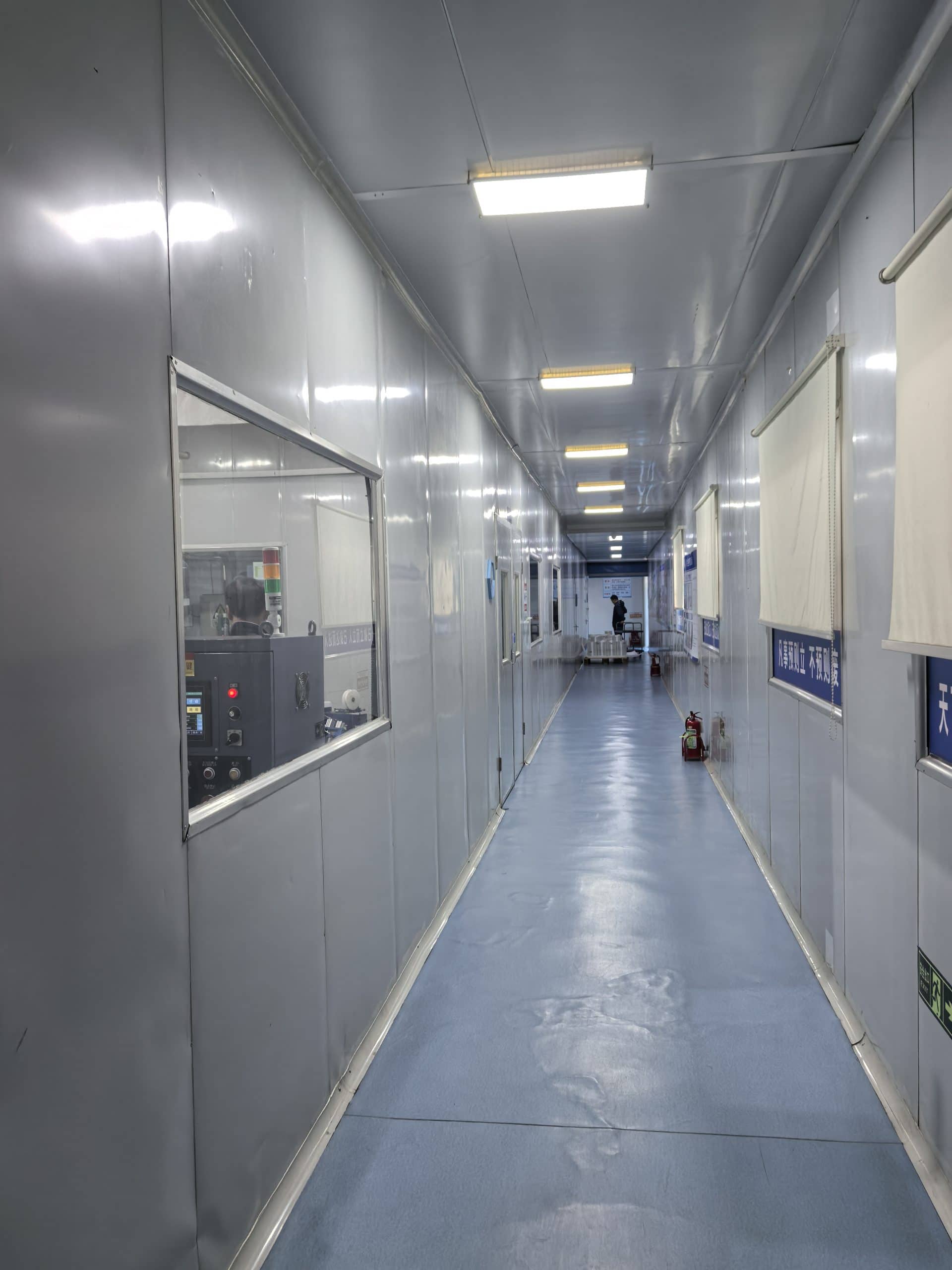
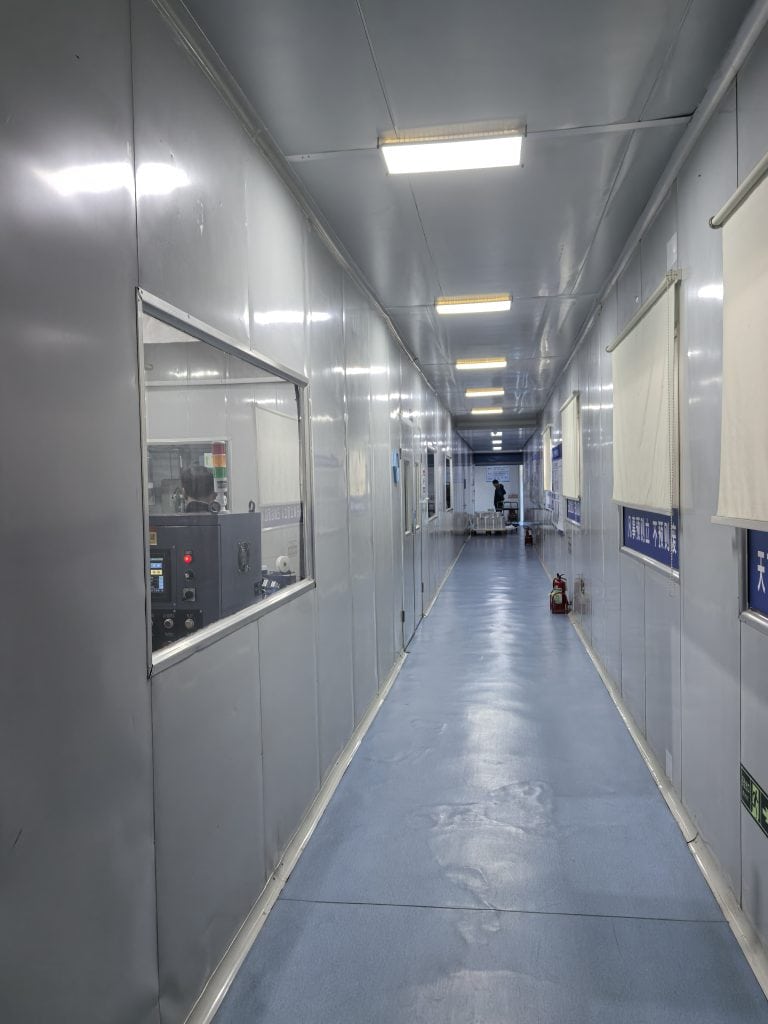
- A clean, organised production floor — messy plants usually mean loose processes
These are the concrete signs of a factory that treats quality as a process rather than a promise. When you shortlist suppliers, put their QC workflow on the same weight as their price.


5. Compare Total Cost, Not Just the Quote
“Factory direct price” is a real advantage only when the factory is genuinely the manufacturer. Buying direct eliminates trading-company markups and middlemen commissions, which is why an automatic carton sealing machine factory can often offer better pricing than a reseller.
But total cost includes more than the purchase price:
- Freight and customs
- Installation, commissioning and operator training
- Spare parts availability and cost
- Downtime risk and warranty coverage
- Lead time and its impact on your project schedule
A cheap machine that fails in month six is expensive. A machine from a factory that machines its own parts, tests every unit and ships spares at factory cost is cheap over its lifetime.
6. Check After-Sales Support and Spare Parts
Machines break; the question is what happens after. For overseas buyers sourcing from China, after-sales support is often the difference between a good supplier and a great one. Ask for:
- Complete operation manuals in your language
- Step-by-step operation videos your operators can follow
- Remote online troubleshooting — can the factory help via video call when something stops?
- Spare parts at factory cost, not inflated reseller prices
- On-site technical service for large turnkey lines, when needed
At SunAura we supply all of the above, and for large-scale turnkey packaging-line projects we can arrange overseas-site technical service by mutual agreement. Standard machines typically ship in 15–25 working days; custom-engineered lines take 30–45 working days.


7. Use This Supplier Evaluation Checklist Before You Order
Bring this checklist to every supplier conversation — it will save you from expensive surprises:
- ☐ Is the company a genuine manufacturer with an auditable factory address?
- ☐ Can they show a live video tour or host a factory visit?
- ☐ Do they machine core components in-house?
- ☐ Are CE, ISO 9001 (and EMC, if applicable) documents current and verifiable?
- ☐ Do they name the directives and harmonised standards (e.g. EN ISO 12100, EN 60204-1, EN 415) in their technical files?
- ☐ Can they show machines running in customer factories, ideally in your industry and region?
- ☐ Do they run-test every machine before shipment, and for how long?
- ☐ Is the quotation detailed with technical drawings, or vague?
- ☐ What is the lead time, payment terms and warranty?
- ☐ What after-sales support and spare parts policy do they offer?
Red Flags That Should Stop You
- Refuses a factory visit or live tour — no legitimate manufacturer hides its floor.
- Vague certification claims — says “CE” but cannot show the certificate, the number, or the issuing body.
- Company name on certificates does not match the seller — this is a common sign of resellers borrowing documents.
- Quotes without technical drawings or parameters — you cannot compare what is not specified.
- No after-sales channel — the deal ends at shipment, and so does your recourse.
- Unrealistically low price — quality components, testing and support have a floor; below it, something is being cut.
Why Buyers Choose SunAura as Their Packaging Machinery Manufacturer
We have spent this guide telling you what to verify, so let us hold ourselves to the same standard.
- Genuine manufacturer, not a trader: founded in 2008, 48,000 ㎡ in-house plant in Qingdao, China, with full-chain CNC machining, assembly, testing and global sales
- Verifiable certifications: ISO 9001 quality management system; CE and EMC verification issued through SGS, UDEM and ICR; compliant with Machinery Directive 2006/42/EC, LVD and EMC
- Proven engineering: automatic carton sealers, case erectors, strapping, shrink wrapping, vacuum, pallet wrapping and liquid filling machines, plus custom complete end-of-line packaging lines
- Quality you can audit: every machine passes a 72-hour continuous running test before shipment
- Reference customers across food, dairy, pharmaceutical, household goods and logistics, including well-known brands in the Chinese and global markets
- Export track record: machines shipped to more than 100 countries with manuals, videos, remote support and factory-cost spare parts
When you are ready to compare suppliers properly, send us your product size, carton dimensions, required output and site layout conditions. Our sales-engineer team responds with formal quotations and detailed technical parameters within 24 working hours — the same level of transparency we recommend every buyer demand from any reliable packaging machine supplier China.
FAQ
How do I verify a packaging machinery manufacturer in China?
Ask for a live video tour or factory visit, confirm an auditable factory address, check for in-house CNC machining, and verify their CE and ISO 9001 certificates on the issuing body’s website by number and expiry date.
What certifications should a packaging machine factory have for the EU market?
For the European Economic Area, CE marking is mandatory, covering the Machinery Directive 2006/42/EC, Low Voltage Directive 2014/35/EU and EMC Directive 2014/30/EU. A quality management system such as ISO 9001 is voluntary but strongly recommended.
Is CE certification mandatory for packaging machinery exported to Europe?
Yes. Without CE marking and the associated Declaration of Conformity and technical file, packaging machinery cannot be legally sold or cleared through customs in the EU. Third-party verification (e.g. SGS, TÜV, UDEM, ICR) adds credibility to the manufacturer’s self-declaration.
What is “factory direct price” and why does it matter?
It means buying straight from the manufacturer, eliminating trading-company markups. It matters most when the factory genuinely machines its own parts, because direct buyers benefit from both better pricing and direct technical support.
How long does it take to get packaging machinery from China?
Standard machines typically take 15–25 working days; custom-engineered packaging lines take 30–45 working days. Confirm exact lead time on the proforma invoice before payment.
Can I customize packaging machines or a complete line?
Yes. Reputable manufacturers like SunAura support custom machines and turnkey packaging lines. Provide product size, carton dimension, required output and site layout, and the R&D team will draw technical drawings and propose a targeted solution.
Ready to evaluate a real packaging machinery manufacturer in China? Contact SunAura Machinery for a formal quotation with full technical parameters within 24 working hours.