

October 1, 2026 | by Monica, SunAura Machinery Applications Engineering
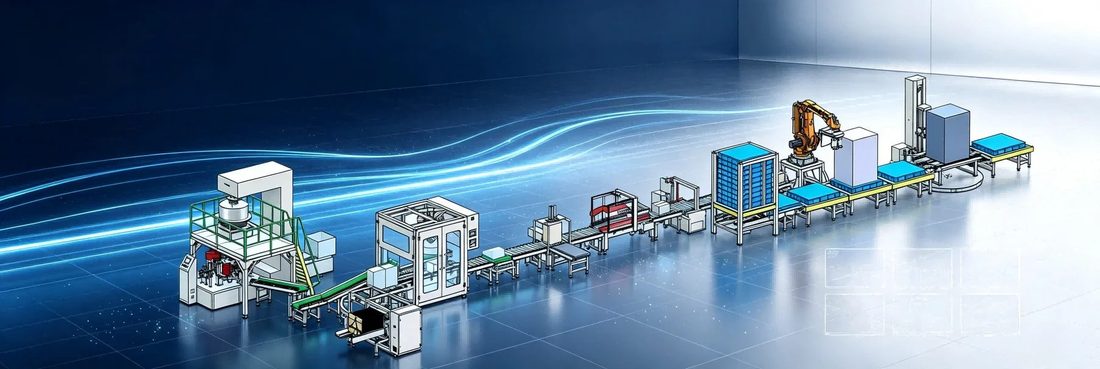
QINGDAO, China — SunAura Machinery has announced that AI-powered machine vision inspection is now available as a standard integration option across its turnkey packaging lines. The upgrade, developed in partnership with a Chinese machine-vision supplier, uses a deep-learning camera system to inspect seal quality, label placement, and product presence in real time — without adding a separate inspection machine to the line.
What the AI Vision System Does
Traditional vision inspection on a packaging line works by rule: “the label must be within 2 mm of this position, the seal must be exactly 10 mm wide.” That works until a product arrives that the rules didn’t anticipate — a slightly crumpled pack, a label at a 3-degree angle, a barcode that’s smudged. The new SunAura system uses a trained neural network instead, so it can identify defects it wasn’t explicitly programmed to catch.
Three inspection stations ship as standard with the AI upgrade:
- Seal integrity inspection — checks every seal on pillow packs and vacuum pouches for wrinkles, gaps, and burn-through. Rejects defective packs automatically via a pneumatic kicker.
- Label and print verification — confirms date codes, batch numbers, and labels are present and legible. Rejects misprinted or missing codes before product leaves the line.
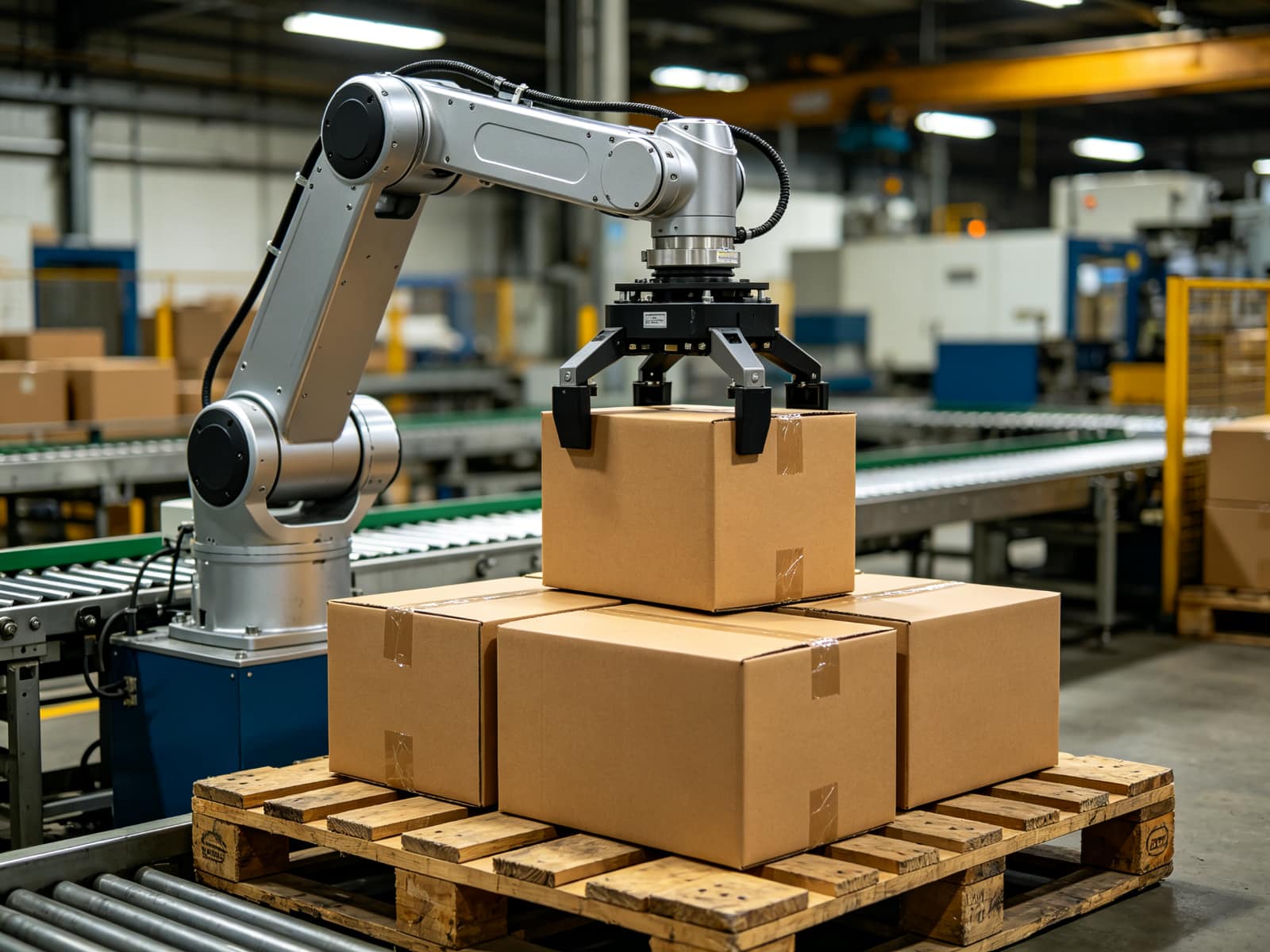
- Product presence and count — verifies each case contains the correct number of packs before it reaches the strapping machine and palletizer.
How It Differs from Standalone Inspection
Most packaging lines buy a separate checkweigher and metal detector, then bolt on a vision system from a third party. That means three different HMIs, three vendors to call when something breaks, and — most frustrating for operations teams — no single record of what happened to a specific defective pack.
With SunAura’s integrated AI vision, the camera connects directly to the line’s main PLC and HMI. Operators see the same alarm on the same screen they use to run the wrapper. Every rejected pack triggers a snapshot stored on the line’s local server, which can be pulled up later by batch number. For food producers dealing with retailer audits, that traceability data is increasingly required — not optional.
| Feature | Standalone Vision System | SunAura Integrated AI Vision |
|---|---|---|
| HMI | Separate touchscreen | One shared line HMI |
| Defect logic | Rules-based (needs reprogramming per SKU) | Deep learning (trains on your samples) |
| Snapshot storage | Separate PC, limited capacity | Integrated with line data, searchable by batch |
| Vendor responsibility | Two vendors, finger-pointing on handoffs | One SunAura engineering team for the whole line |
Commissioning and Training
The vision system comes pre-trained at the factory, but SunAura applications engineers spend half a day during on-site commissioning training the model on the customer’s actual products. By the end of the first day, the system has seen several hundred sample packs and can distinguish good from defective on its own. After that, operators can add new defect examples through the HMI — no coding required.
For customers at PACK EXPO Chicago (October 18–21), SunAura will demonstrate the integrated vision system on a live end-of-line cell at booth South Hall S-2845. Our applications team will have sample defect packs on hand for visitors to test.
Want to see the AI vision system on your own products? Send sample packs through the contact page and our engineers will test them in our Qingdao workshop before you commit. The vision upgrade is available on all new integrated packaging lines and can be retrofitted to existing SunAura equipment. Existing customers looking to add inspection to a running line can discuss options with the after-sales service team.
More technical detail on the vision system — including camera resolution, throughput speed, and defect detection accuracy data — will be published in the news section after PACK EXPO. The system is available for order now, with first deliveries scheduled for Q4 2026.