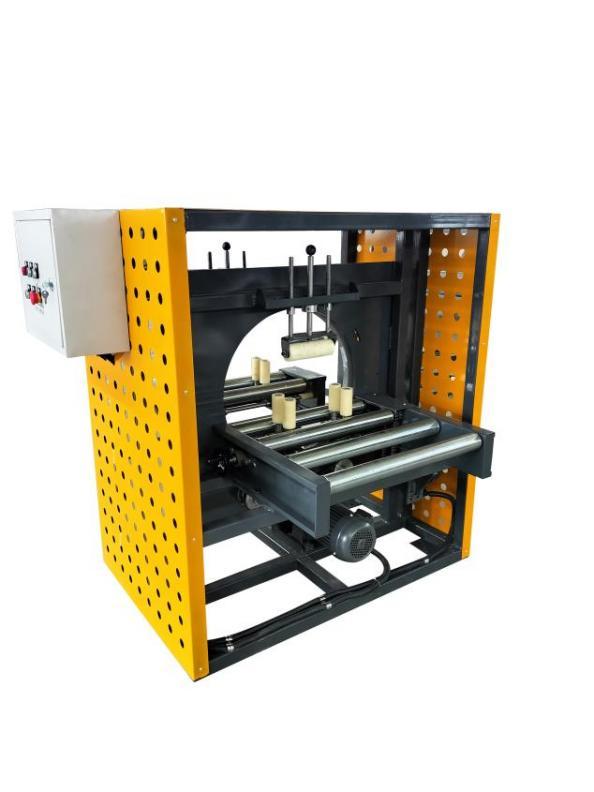
A horizontal flow wrapper (also called a pillow pack machine or horizontal form-fill-seal machine) shapes a film roll into a tube, wraps it around an in-feed product, and seals the ends to make a pillow pack. It is one of the most widely used front-end packaging machines in food, bakery, confectionery, hardware, and household goods lines. Yet buyers comparing quotes often compare price and maximum speed first, and overlook the one decision that governs everything else: whether the machine is intermittent-motion or continuous-motion — and whether its drives are mechanical-cam or servo.
Choosing the wrong motion type locks you into either a machine that cannot reach your target speed, or a high-speed machine that spends its life under-utilized and fighting products it was not designed for. This guide gives you a neutral, numbers-based comparison so you can map your product, film, and throughput to the correct platform. It is written for production managers, plant engineers, and procurement specialists specifying a new wrapper or replacing an aging line.
Quick Comparison: Intermittent vs Continuous Motion, Mechanical vs Servo
| Dimension | Intermittent (Box-Motion) Wrapper | Continuous-Motion Wrapper | Servo-Driven Upgrade |
|---|---|---|---|
| Sealing motion | Film stops for each cross seal, then advances; seal jaw travels in and out | Cross-seal jaw rotates with the moving film; no stop-start per pack | Applies to either motion type; replaces fixed cams with programmable servo axes |
| Typical speed | 20–120 packages per minute (ppm) | 100–400+ ppm; rotary models higher | Lifts achievable speed and registration accuracy on the base machine |
| Best product type | Fragile, irregular, heavier, sticky or multi-item products; small/medium packs | Regular, rigid, high-volume products: biscuits, bars, candy, bakery packs | Whole range; recipe recall for frequent SKU changes |
| Film registration & waste | Slightly more film tail; simpler setup; more forgiving on off-register print | Tighter registration, shorter waste tails; less scrap per pack | Electronic print-mark registration reduces film waste on printed film |
| Changeover flexibility | High for varied pack lengths; common in multi-SKU plants | Efficient at high output; shorter pack lengths optimized for a fixed range | Recipe-driven changeover cuts reset time between SKUs |
| Maintenance profile | Simpler mechanical build; cams and parts are budget-friendly | Higher precision drive and rotary seal head; more alignment care | Fewer physical adjustments; less wear from manual re-setup |
| Relative machine cost | Low to medium capital outlay | Medium to high | Premium over the equivalent mechanical base model |
| Main limitation | Cannot economically exceed ~120 ppm; stop-start raises scrap at very high throughput | Less forgiving on irregular or delicate products; higher entry cost | Adds cost and controls complexity that a single-SKU low-volume line may not need |
How the Two Motion Types Differ in Practice
Intermittent (Box-Motion) Flow Wrapper
In an intermittent machine, the film and product advance to a sealing position, then come to a brief stop while the cross-seal jaw closes across the film. After the seal and cut, the film moves again to the next product. Because the film is stationary when the jaw meets it, the seal can be held on longer, lower temperatures, and the machine tolerates products that sit unevenly or push back against the seam.
Where it wins: fragile items that would crush under a continuously driven chain, irregular or hand-loaded products, heavier packs, and multi-SKU lines that change pack lengths often. Its speed ceiling around 100–120 ppm is also its natural envelope; pushing it harder produces film waste and premature seal wear.

Continuous-Motion Flow Wrapper
A continuous-motion wrapper never stops the web. The longitudinal seal runs while the film travels, and the cross-seal jaw is a rotary or motion-compensating head that moves with the film, seals, and cuts on the fly. The result is far higher packages per minute, shorter film tails, and more consistent print registration on printed films.
Where it wins: high-volume, regular, rigid products — biscuity bars, chocolate bars, candy, individually wrapped bakery, biscuits, and regular-shaped hardware. It is less forgiving on odd, fragile, or inconsistent products, and it rewards a steady, well-aligned product feed.
Mechanical-Cam vs Servo Drive
Motion type and drive type are separate decisions. A basic wrapper uses fixed mechanical cams and gears; a servo-driven wrapper replaces those with programmable servo axes that store recipes. Servo drives shorten changeover, improve film registration, and let operators switch pack size from the HMI rather than re-setting mechanical parts. They are worth the premium for multi-SKU plants, but add controls complexity a single-format, low-volume line may never use.
Decision Framework: How to Choose
By product shape and fragility
Regular, rigid bars, biscuits, candy, and bakery trays that feed steadily suit continuous motion. Fragile, soft, sticky, irregular, or hand-packed products — fresh produce, baked goods that crush, irregular hardware, multi-item bundles — are better on an intermittent (box-motion) wrapper where the film stops and seal pressure is gentle. If your product list spans both, weigh which range carries the volume.
By target packages per minute
Below 100 ppm: intermittent motion is the economical and flexible choice. 100–180 ppm: the overlap zone — decide on product type and SKU count, not speed alone. Above 180 ppm: continuous motion becomes the practical platform; trying to reach it on an intermittent machine raises scrap and wear out of proportion.
By number of SKUs and changeover frequency
A plant that changes pack length, product size, or film several times a shift benefits from intermittent flexibility combined with servo recipe recall. A single high-volume SKU can run a fixed continuous machine at lower cost per pack. Ask the supplier for a measured changeover time between two of your own SKUs, not the quoted best case.
By film and print requirement
Printed film with strict brand registration rewards continuous motion plus electronic print-mark tracking, which keeps the seal position centered on the print. Plain film, low decoration, or short runs tolerate the simpler intermittent machine. Specify film width, thickness, and whether it is OPP, laminates, or recyclable monomaterial, and confirm the supplier’s former and sealing jaws are rated for it.
By budget and growth
Intermittent machines carry lower capital cost and simpler maintenance. Continuous machines cost more up front but lower film waste and labor per pack at high volume — their advantage grows with output. If your demand is expected to double within two years, a wrapper sized near the top of intermittent may be a false economy; a continuous platform buys headroom. Conversely, a continuous machine run at 40% of capacity is an expensive under-used asset.
Inquiry Checklist Before You Quote
- Product dimensions (length × width × height), weight, shape regularity, and whether it is fragile, sticky, or dusty
- Target packages per minute at both your fastest and slowest SKU, plus projected growth
- Pack style: pillow pack, gusseted, with hang hole, easy-tear, or perforated chain packs
- Film specification: material (OPP, CPP, PE laminate, recyclable), width, thickness, printed or plain, print registration tolerance
- Number of SKUs, pack-length range, and accepted changeover time
- Upstream equipment: manual in-feed, conveyor, or multihead weigher / bucket feeder, so the wrapper is balanced to the feed
- Factory environment, washdown needs, and food-contact material requirements
- Required features: gas flushing, inkjet coder integration, label feeder, rejection of off-weight packs
Common Selection Mistakes
Buying speed over product fit. A high-speed continuous wrapper will crush or reject irregular products and create constant stoppages; a low intermittent wrapper on a 300 ppm product goal is a permanent bottleneck. Match motion to the product first, speed second.
Ignoring film waste in the total cost. Continuous machines cut film tails shorter and register print tighter. At high volumes the film savings over a year often justify the higher machine price; at low volumes that saving never materializes.
Specifying servo where a cam machine is enough. Full servo control adds value on multi-SKU lines. On a single-format line run by one product, the controls premium may not earn back. Ask which functions the servo upgrade actually buys you — recipe memory, print registration, or speed.
Treating the wrapper in isolation. A wrapper is only as fast as its upstream feed. Pair it honestly with a multihead weigher or manual in-feed, and confirm the combined packaging line is balanced before comparing wrapper prices.
Not sure whether your product belongs on intermittent or continuous motion? Send us product samples, pack dimensions, film type, and your target packages per minute. Our packaging technology team will recommend the wrapper platform, send a line layout, and quote within 48 hours. Contact [email protected] or use the contact form.
Bottom Line
Choose an intermittent (box-motion) flow wrapper for fragile, irregular, multi-SKU products under roughly 100–120 ppm where flexibility and gentle sealing matter. Choose a continuous-motion wrapper for regular, rigid, high-volume products above about 150 ppm, where tighter registration and lower film waste pay back. Add servo drives when frequent changeover and printed-film accuracy justify the premium — not by default. Start from your product and real speed, then choose the motion and drive that match.
SunAura designs and builds horizontal flow wrappers integrated with multihead weighers and complete packaging lines for food, bakery, confectionery, and industrial goods. Review configurations under solutions, see our build capacity in workshop display, and read more buying guidance in the help center.