
Only for retail products customers reseal (snacks, coffee). For one-use packs, a simple seal is cheaper.
Can I fill liquid in a pre-made pouch?
Yes — liquid pouch fillers exist, but this guide covers powder and granules. Liquid filling uses different nozzles and capping.
Summary
Open-mouth FFS for 5–25 kg industrial powder and granule bags; valve bags for dense powders that must stack on pallets; pre-made stand-up pouches for retail 0.5–5 kg packs. Match the bag format to the channel, the bag size, and the product, and spec the dosing, sealing, dust extraction and outfeed as one integrated section. Send us your product, bag size and pack channel and we will spec the right bagging section — and tell you if a cheaper option will do.
Related reading
Open-mouth FFS at 10–25 bags/min. Valve bags are slower because they are pre-made and spout-filled.
Do pre-made pouches need a zipper?
Only for retail products customers reseal (snacks, coffee). For one-use packs, a simple seal is cheaper.
Can I fill liquid in a pre-made pouch?
Yes — liquid pouch fillers exist, but this guide covers powder and granules. Liquid filling uses different nozzles and capping.
Summary
Open-mouth FFS for 5–25 kg industrial powder and granule bags; valve bags for dense powders that must stack on pallets; pre-made stand-up pouches for retail 0.5–5 kg packs. Match the bag format to the channel, the bag size, and the product, and spec the dosing, sealing, dust extraction and outfeed as one integrated section. Send us your product, bag size and pack channel and we will spec the right bagging section — and tell you if a cheaper option will do.
Related reading
Open-mouth FFS can change film roll and form different bag sizes. Pre-made pouches change size by changing the magazine and grippers. Valve bags are fixed size per machine.
Which is fastest for 25 kg bags?
Open-mouth FFS at 10–25 bags/min. Valve bags are slower because they are pre-made and spout-filled.
Do pre-made pouches need a zipper?
Only for retail products customers reseal (snacks, coffee). For one-use packs, a simple seal is cheaper.
Can I fill liquid in a pre-made pouch?
Yes — liquid pouch fillers exist, but this guide covers powder and granules. Liquid filling uses different nozzles and capping.
Summary
Open-mouth FFS for 5–25 kg industrial powder and granule bags; valve bags for dense powders that must stack on pallets; pre-made stand-up pouches for retail 0.5–5 kg packs. Match the bag format to the channel, the bag size, and the product, and spec the dosing, sealing, dust extraction and outfeed as one integrated section. Send us your product, bag size and pack channel and we will spec the right bagging section — and tell you if a cheaper option will do.
Related reading
Bag Filling Machines for Powder and Granules: Open-Mouth FFS vs Valve Bag vs Pre-Made Pouch — Which Bag Format Fits Your Product?
When a buyer specs a powder or granule filling line, they spend their budget on the filling head (auger, gravimetric, net weight) and treat the bag format as a detail. It is not. The bag format determines the speed, the cost per bag, the product appearance on shelf, and the cleanup time between runs. This guide compares the three bag formats buyers choose between — open-mouth form-fill-seal, valve bags, and pre-made stand-up pouches — by product, speed, price and retail fit, and tells you when each one is wrong.

The three bag formats
An open-mouth form-fill-seal (FFS) machine forms a bag from a roll of film, fills it through the open top, and seals it. It is the workhorse of powder and granule packing for 5–25 kg industrial bags. A valve bag is a pre-made paper or poly bag with a small fill spout; the filler spouts product in, and an internal flap closes. Valve bags stack neatly on pallets. A pre-made pouch (Doypack or stand-up pouch) is picked from a magazine, opened, filled, and heat-sealed; it is used for retail 1–5 kg packs. They are not scaled versions of each other — they serve industrial, bulk and retail channels.
| Open-mouth FFS | Valve bag | Pre-made pouch | |
|---|---|---|---|
| Bag size | 5–25 kg | 10–25 kg | 0.5–5 kg |
| Speed | 10–25 bags/min | 4–8 bags/min | 20–60 pouches/min |
| Bag cost | Low (rollstock) | High (pre-made) | Medium |
| Retail finish | Industrial | Industrial | Retail-ready |
| Product | Powder, granules, feed | Cement, flour, chemicals | Snacks, powder retail |
| Relative machine cost | Medium–high | Medium | Medium |
| Best for | Bulk industrial bags | Dense powders, stacking | Retail stand-up packs |
Open-mouth FFS: the bulk industrial workhorse
Open-mouth FFS is the standard for 25 kg bags of animal feed, fertilizer, grains and chemical powder. The machine forms the bag from a film tube, fills it by auger or gravimetric dosing, and heat-seals the top. It uses rollstock, so the bag cost per unit is low. It runs 10–25 bags a minute. It is not pretty — the bag is a plain film sack, not retail packaging — but it is the cheapest way to pack 25 kg of powder. SunAura specifies open-mouth FFS for feed, grain and chemical producers shipping bulk bags.
Valve bags: for dense powders that stack
Valve bags are pre-made paper or poly bags with a fill spout. The filler spouts product in under slight pressure; an internal flap closes when filling stops. The result is a rigid, self-standing bag that stacks neatly on a pallet — critical for cement, flour and chemical powder on a warehouse shelf. Valve bags run slower (4–8 bags a minute) and the bags themselves are more expensive, but they stack like bricks. For a flour mill shipping palletized bags to bakeries, valve bags are the standard. For animal feed, open-mouth FFS is cheaper and the bags do not need to stack as neatly.
Pre-made pouches: for retail
Pre-made stand-up pouches (Doypack) are picked from a magazine, opened, filled, and heat-sealed. They look like retail packaging — they can be printed, have zippers, hang holes, and clear windows. They run 20–60 pouches a minute on multi-lane machines. They are used for 1–5 kg retail packs: coffee, snacks, powder supplements, pet food. They are not for 25 kg industrial bags — the machine cannot form a bag that large. If your product sells on a retail shelf, pre-made pouches are the answer. If it sells on a pallet, they are over-priced.
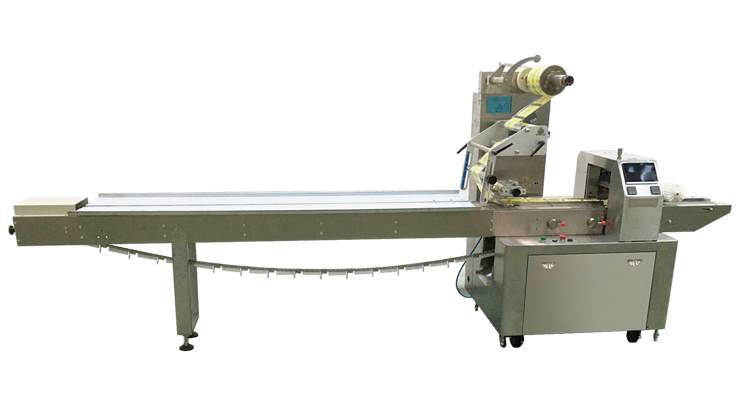
What each format cannot do
Open-mouth FFS cannot make retail-ready pouches — the bag is a plain film sack. Valve bags cannot run at high speed and they are expensive per bag. Pre-made pouches cannot fill 25 kg industrial bags. If you mix retail and industrial packs, you need two machines, not one. A common mistake is buying a pre-made pouch machine and trying to pack 10 kg of flour in it; the pouch is too small, the fill weight is too high, and the sealer cannot handle the dust. Specify the machine for your bag size and pack channel.
Filling accuracy: auger vs gravimetric
The bag format is one decision; the dosing method is another. Powders use an auger filler (volumetric) for speed, or a gravimetric net-weight filler for accuracy. Granules use a gravimetric or volumetric cup filler. Open-mouth FFS and valve bags typically use gravimetric dosing because industrial bags have weight tolerances. Pre-made pouches for retail often use auger or cup dosing at higher speed. SunAura builds the filler and the bagger as one integrated section, so the dosing and bag sealing are synchronized. Buying them separately causes fill-weight inconsistency.
Dust, airflow and containment
Powder filling makes dust. Open-mouth FFS and valve bag filling both vent dust; the filler needs a dust extraction hood. For fine powders (flour, toner, chemical), a contained filling head with a dust collection system is required. For granules (grain, feed), dust is minimal. For food-grade powders, the machine must be sanitary and cleanable between runs. Specify the dust collection and washdown rating at quote time. A powder bagger without dust extraction is a workplace violation.
Bag material: paper vs poly vs woven PP
Open-mouth FFS and valve bags use paper, poly film, or woven polypropylene. Paper bags are printable and recyclable, used for flour and cement. Poly film bags are waterproof and used for chemicals. Woven PP bags are strong and used for feed and grain. Pre-made pouches use laminated film (PET/PE) for barrier and print quality. The bag material affects the sealing method: paper bags are sewn or pasted; poly bags are heat-sealed. Specify the bag material with the bagging machine; a heat sealer will not close a paper bag. SunAura builds the bagger for your chosen material.
Sanitary vs industrial build
Food-grade powder (flour, spice, protein) needs a sanitary build: stainless steel contact parts, quick-disassemble hopper, no dead corners, and CIP capability. Industrial chemical powder uses painted steel and is not washdown. The price difference is significant. Specify the sanitary rating at quote time. A chemical bagger bought for food will not pass audit; a sanitary bagger bought for chemicals is over-priced. SunAura offers both builds and tells you which you need.
Outfeed and palletizing integration
Bagged product does not leave the bagger on the floor. It needs an outfeed conveyor, a checkweigher or metal detector for food lines, and a palletizer. For 25 kg industrial bags, a robotic or conventional palletizer stacks the bags. For retail pouches, pouches go to a case packer. Specify the outfeed and downstream equipment when you order the bagger. A bagger that drops bags on a conveyor to nowhere is a half-finished line. SunAura integrates the bagger, checkweigher, and palletizer on one controls platform.
Bag size changeover
A co-packer changing bag sizes every shift needs tool-less changeover. Open-mouth FFS changes the film roll and forms a different bag size; pre-made pouches change the magazine and grippers. Valve bags are fixed per machine. Modern baggers store recipes and change over in 20–40 minutes. Older mechanical baggers take hours. Ask for the actual changeover time on your two most different bag sizes, and ask whether change parts are included. SunAura tests changeover at FAT with your own bags.
Weight accuracy and giveaway
Overfilling bags is free product walking out the door. A gravimetric filler gives the most accurate fill (±0.1–0.2% of target). An auger filler is volumetric and drifts with product density. A cup filler is cheapest but least accurate. On a 25 kg bag of flour, a 1% overfill is 250 grams per bag — on 1000 bags a day, that is 250 kg of product given away. The gravimetric filler pays for itself in giveaway reduction. For a low-value granule feed product, volumetric is acceptable. For high-value powder, specify net weight.
Bag sealing: heat seal vs sew vs clip
Open-mouth FFS bags are heat-sealed at the top. Paper valve bags are sealed by the internal flap. Woven PP bags are sewn or clipped. The sealing method affects the machine. Heat-sealing poly film is clean and fast. Sewing paper bags needs a sewing head. Clipping woven bags needs a clipper. For a mixed product line, spec the sealing method you actually use. SunAura builds heat-seal, sew and clip versions of the bagger.
What not to buy
Do not buy a pre-made pouch machine for 25 kg industrial bags. Do not buy an open-mouth FFS for retail shelf packs. Do not buy a valve bag filler for a product that does not need to stack. And do not forget the dust extraction, the infeed hopper and the outfeed conveyor. SunAura quotes the complete bagging section: hopper, dosing, bagging machine, dust extraction and outfeed.
Budgeting the bagging section
The bag machine is the headline, but the real section includes the dosing system, dust extraction, conveyor and palletizer infeed. For a 25 kg industrial line, the bag cost per unit matters more than the machine price — open-mouth FFS on rollstock saves money every bag. For retail pouches, the pouch cost is higher but the shelf price supports it. Ask for the installed section cost and the per-bag film cost over a year. SunAura prices both.
FAQ
Can I switch between bag sizes on one machine?
Open-mouth FFS can change film roll and form different bag sizes. Pre-made pouches change size by changing the magazine and grippers. Valve bags are fixed size per machine.
Which is fastest for 25 kg bags?
Open-mouth FFS at 10–25 bags/min. Valve bags are slower because they are pre-made and spout-filled.
Do pre-made pouches need a zipper?
Only for retail products customers reseal (snacks, coffee). For one-use packs, a simple seal is cheaper.
Can I fill liquid in a pre-made pouch?
Yes — liquid pouch fillers exist, but this guide covers powder and granules. Liquid filling uses different nozzles and capping.
Summary
Open-mouth FFS for 5–25 kg industrial powder and granule bags; valve bags for dense powders that must stack on pallets; pre-made stand-up pouches for retail 0.5–5 kg packs. Match the bag format to the channel, the bag size, and the product, and spec the dosing, sealing, dust extraction and outfeed as one integrated section. Send us your product, bag size and pack channel and we will spec the right bagging section — and tell you if a cheaper option will do.