What the Expanded Large-Pail Filling Station Covers
SunAura has expanded its large-container filling range with a weighing-based pail and bucket filling station built for edible oils, sauces and pastes, lubricants, detergents and other household or industrial liquids that leave the small-bottle line and move into 5–30 L pails, buckets and jerrycans. The station sits alongside our bottle and jar fillers rather than replacing them: filling a 20 L pail by weight is a different dosing problem from dosing a 250 mL bottle by volume, and the machine, nozzle and weighing logic are sized accordingly.
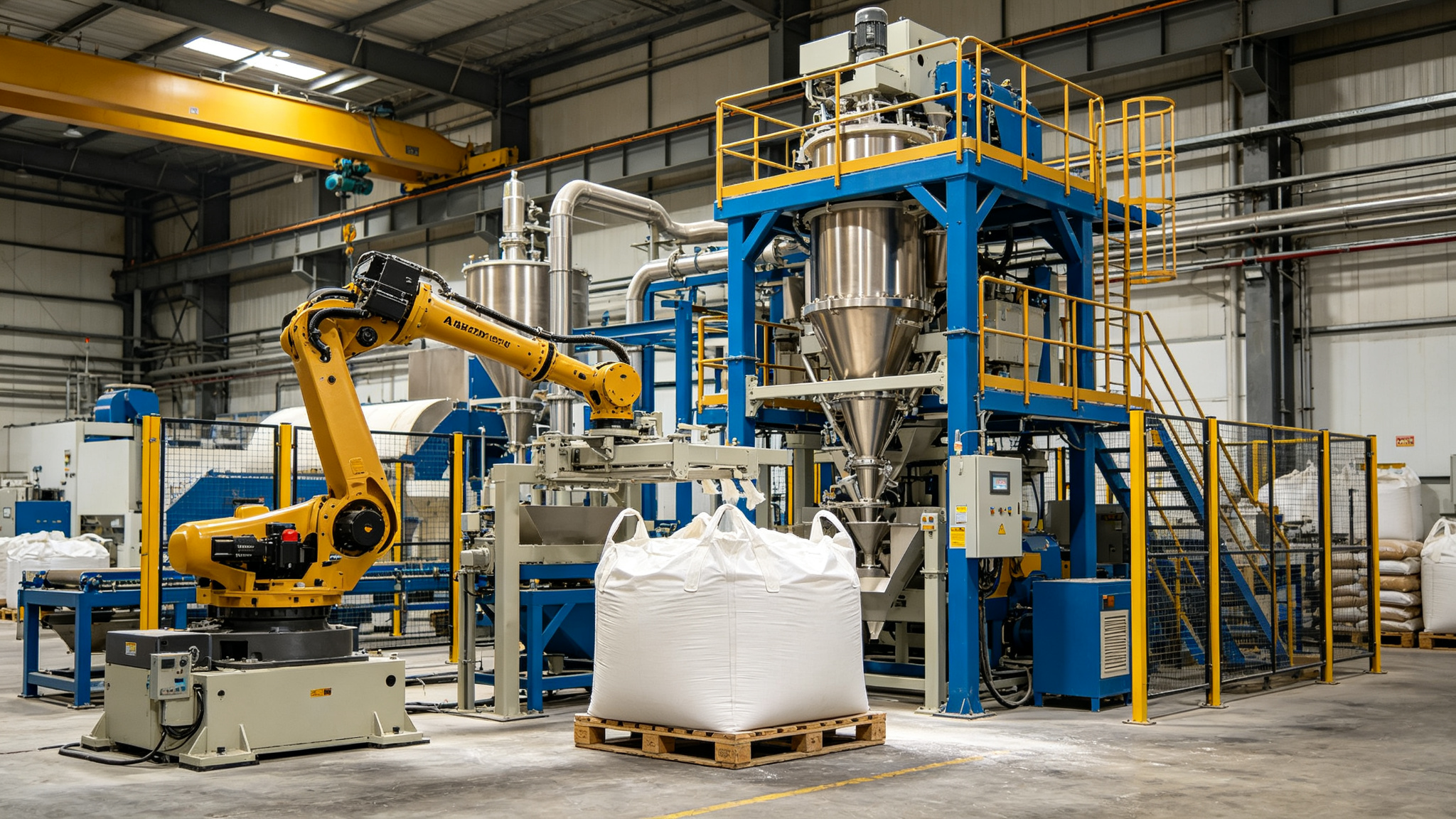
Why Large-Container Filling Is Not a Scaled-Up Bottle Filler
On a bottle line, a piston or gravity nozzle repeats a small volume at high speed, and accuracy is checked per bottle. On a pail line, the target is a net weight in a much heavier container, the fill cycle is slower, and the machine must account for tare weight, foam buildup, drip after the nozzle closes, and the weight of the pail itself. A bottle filler run at a larger stroke can overfill or underfill because its dosing logic is volumetric, not gravimetric, and it has no scale to correct the final weight.
The expanded station uses a load-cell weighing platform under the container: the nozzle opens, product flows until the target net weight is approached, then the flow throttles to a slow dribble for the final cut-off, and the scale confirms the filled weight before the pail advances. This is the same weighing principle used on our combination weighers, applied to a single large container rather than a multi-head batch.
| Dosing method | How it works | Typical accuracy | Best fit | Limitations |
|---|---|---|---|---|
| Gravimetric weigh-scale filling | Load cell weighs the pail; flow throttles to target net weight and verifies final weight | Weight-based, typically within a few tenths of a percent of target on large fills | Oils, pastes, chemicals, liquids where giveaway or underfill matters; pails and buckets 5–30 L | Slower per container than pure volumetric dosing; needs a stable scale platform and level floor |
| Piston / volumetric filling | Fixed cylinder stroke dispenses a set volume per cycle | Volume-based; accuracy drifts with viscosity, temperature and product density | Uniform, low-viscosity liquids at consistent temperature; smaller containers | Not ideal for heavy pastes, temperature-sensitive viscosity, or products where net weight must be guaranteed |
| Gravity / overflow filling | Product flows by head pressure to a set level or volume | Level or volume based; sensitive to foam and head pressure | Thin, non-foamy liquids in open containers | Poor for viscous pastes, foamy products and large pails where weight accuracy is required |
What Buyers Should Specify on the Pail Station
The expanded range covers common pail and bucket sizes used in food, oil and chemical packaging, with a drip-free nozzle, anti-foam fill option for aerating liquids, and a choice of contact materials matched to the product. For viscous pastes and semi-solids, a piston or pump feed supplies the nozzle rather than relying on gravity alone. The station can be supplied as a standalone semi-automatic unit where an operator places and removes each pail, or integrated into a line with capping and downstream handling where volume justifies the automation.
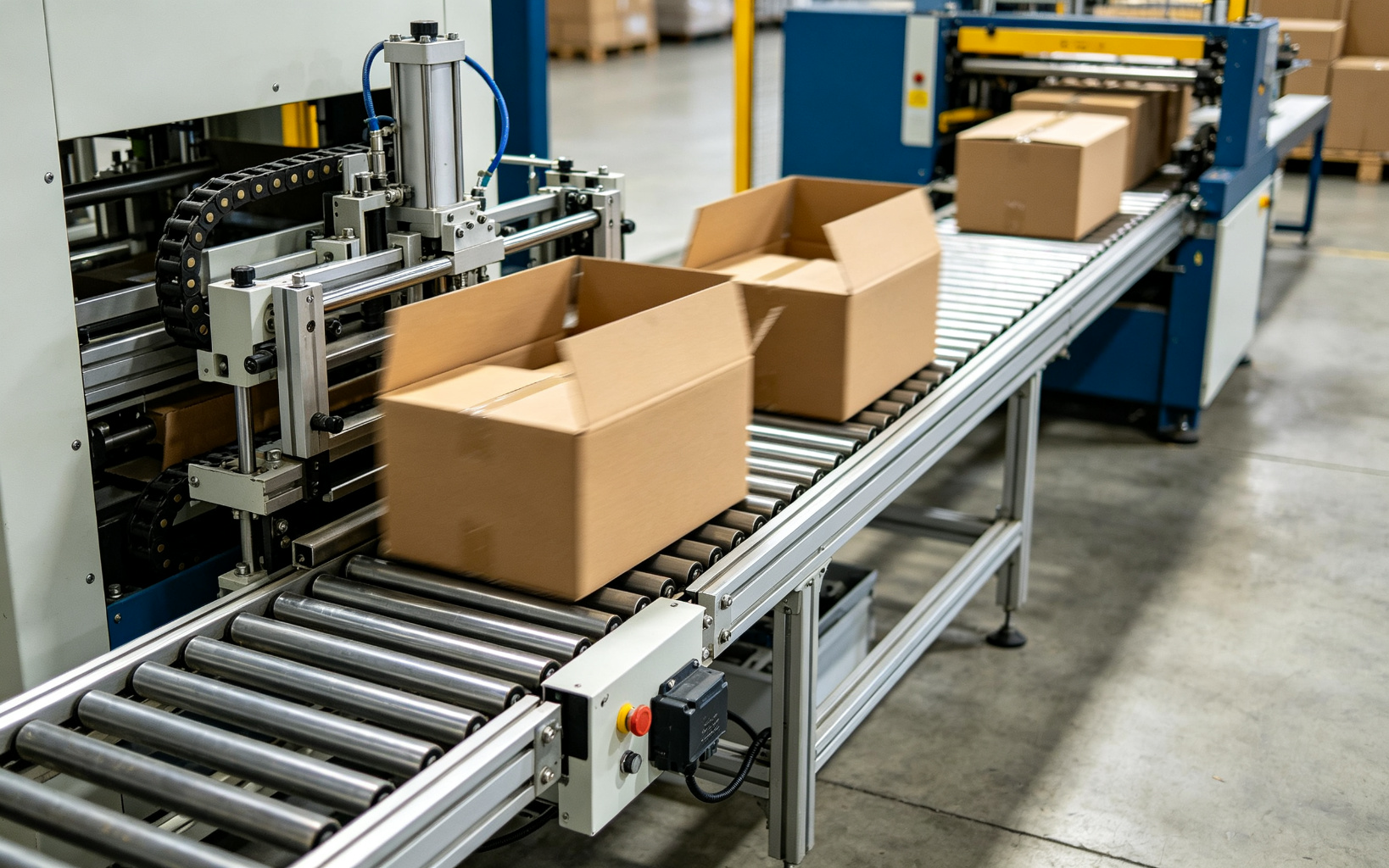
When comparing stations, the inputs that decide the configuration are: container size and tare weight, product viscosity at filling temperature, whether the product foams, required net-weight tolerance, containers per hour, and whether the product is food-grade, corrosive or flammable. A water-thin detergent at high speed can use a simpler gravity or pump feed; a thick paste or a product that must hit a guaranteed net weight needs the weigh-scale platform and a positive-displacement feed.
Who This Station Suits, and Where to Look Elsewhere
This range fits producers moving from small bottles to bulk pails and buckets, and co-packers that fill oils, sauces, pastes, lubricants or household chemicals into large containers where giveaway and underfill carry real cost. It pairs with our liquid filling machines for the bottle and jar side of the same plant, and can be built into a turnkey front-end line where capping, sealing and labeling are required in sequence.
If your product stays in bottles, jars or tubes under roughly 1 L, our standard bottle and tube fillers are the more economical base machine. If you fill drums or IBC totes above the pail range, the station needs a different frame, lift and nozzle arrangement, and should be quoted as a dedicated drum/IBC installation rather than a scaled pail unit.
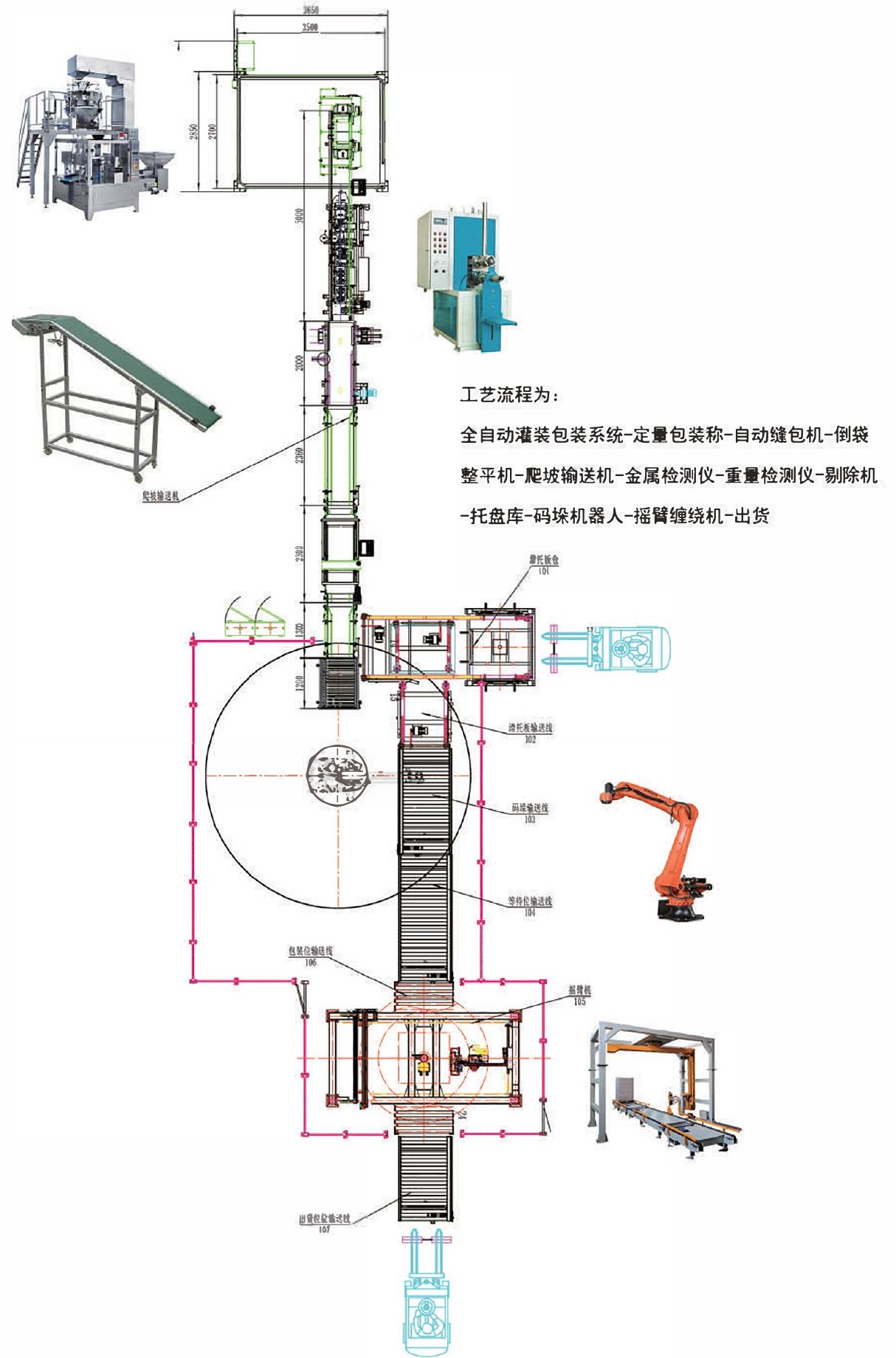
Next Step
Send us your container size and tare weight, product viscosity at filling temperature, target net weight and tolerance, containers per hour, and whether the product is food-grade, corrosive or flammable. Our engineers will size the feed pump or piston, confirm the weighing platform and quote the standalone station or integrated line. You can review our certifications and build standards, see the workshop on site, or reach our team through the contact page.
Request a weighing-filling station quote for your pail or bucket. Email [email protected] or WhatsApp +86 136 4542 9121 with your container size, product viscosity and target output.