Sealing Foil Specification: 20 µm vs 38 µm vs 50 µm Aluminium — Choosing Induction Foil by Product, Closure and Distribution
Induction sealing is usually bought as a machine and specified as an afterthought, yet most failed seals we see on export lines are not machine faults. They are foil faults: the wrong aluminium thickness for the closure, the wrong sealant layer for the product, or a foil chosen for a 28 mm water bottle and then used on a 63 mm sauce jar. The machine applies heat and pressure; the foil decides whether the heat becomes a hermetic weld or a cosmetic disc that leaks in transit. This guide compares the three foil thicknesses that cover most inquiries — 20 µm, 38 µm and 50 µm aluminium — and sets out how product, closure and distribution should drive the choice.
At SunAura we supply induction sealers from 20 mm to 120 mm heads and we specify foil with the customer’s closure supplier, because the foil and the bottle finish are one system. The honest starting point is that thickness is not a quality ladder. A 20 µm foil on a glass jar of dry spice is correct; a 50 µm foil on the same jar is money spent on a barrier the application does not need. The rest of this guide works through what each layer does, where the limits actually sit, and how to write a foil specification that a supplier can quote against.
What a Sealing Foil Is, Layer by Layer
A container seal is a laminate, not a sheet of aluminium. The top layer is usually PET or paper and carries the print, the code and the tamper evidence; the middle layer is aluminium and does the barrier work against moisture, oxygen and light; the bottom layer is a sealant — typically a polyethylene or an ionomer — that melts into the container finish under the induction head and forms the weld. A fourth component is the wax or adhesive tie layer that holds the laminate together until it melts.
The induction field heats the aluminium, not the plastic. The aluminium conducts heat to the sealant layer, which melts and bonds to the closure finish while the head applies pressure. That is why the aluminium has to be thick enough to carry the eddy current and thin enough to heat quickly, and why a foil that is right on one machine can fail on another with a different frequency or head geometry.
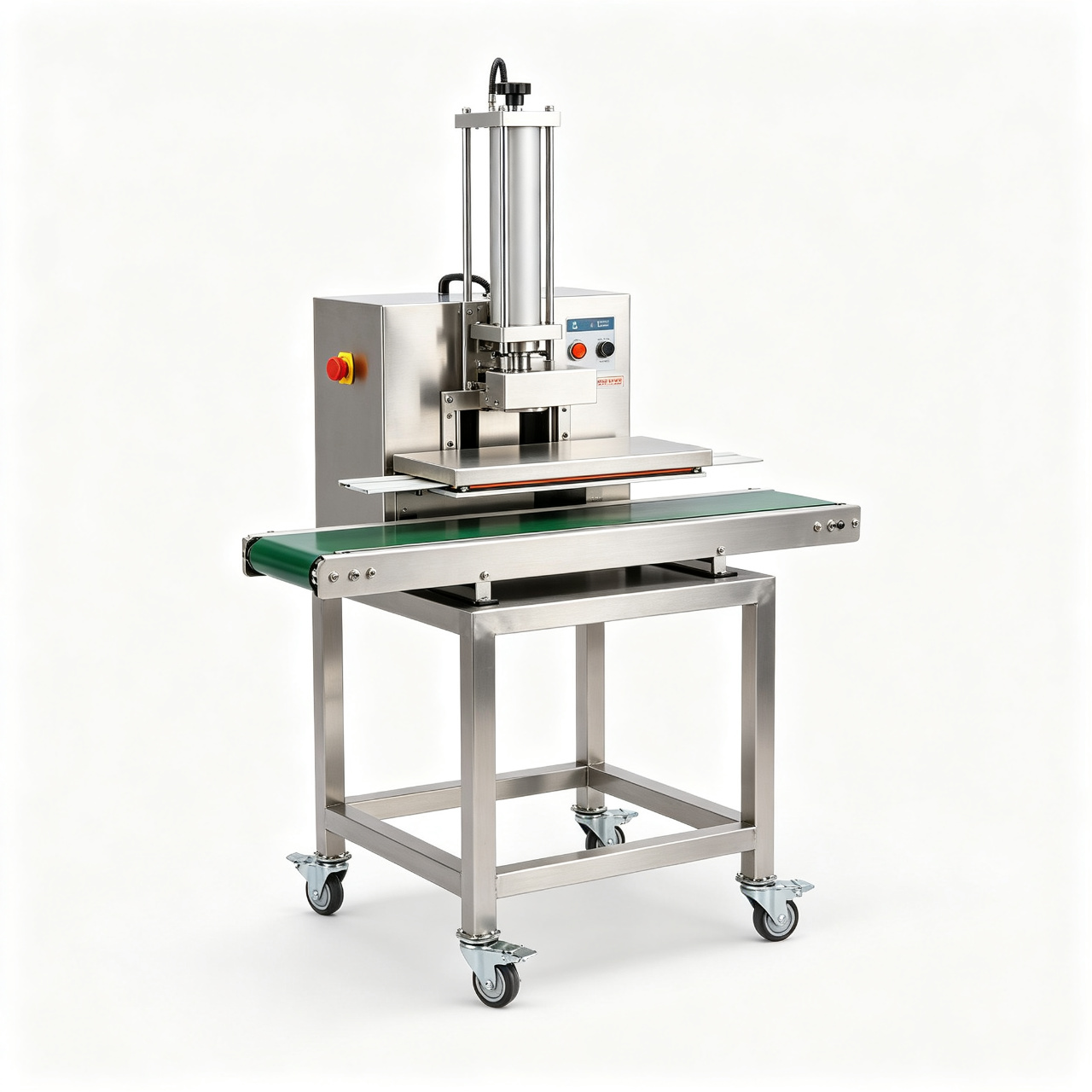
The Three Thicknesses and What Each Buys
20 µm aluminium. The standard for water, still beverages, dry foods and short-shelf-life products in PET or HDPE. It heats fast, seals in 0.5 to 0.8 seconds on a 30 mm neck, and costs the least per thousand seals. Its barrier is adequate for moisture and short oxygen exposure, and its mechanical strength is modest: it tears easily on opening, which is a benefit for consumers and a limitation for tamper evidence on wide necks.
38 µm aluminium. The workhorse for sauces, dairy, edible oil, cosmetics and pharmaceutical liquids where the seal must survive transport, stacking and a pressure differential. It needs more energy and a slightly longer dwell, typically 0.8 to 1.2 seconds on a 38 mm neck, and it holds a clean peel on wider finishes because it resists the deformation that makes thin foil lift at the rim.
50 µm aluminium. Specified for wide-mouth jars, aggressive chemical contents, hot fill, and containers that will be air-freighted or shipped over high-altitude routes where the pressure drop across the seal is large. It costs more, needs a bigger generator and a longer dwell, and on a small neck it can over-heat the finish before the sealant is fully melted, which is a real failure mode rather than a theoretical one.
Comparison Table: Foil Thickness Against Application
| Dimension | 20 µm | 38 µm | 50 µm |
|---|---|---|---|
| Typical necks | 20–38 mm | 28–63 mm | 38–120 mm |
| Seal dwell on 30 mm neck | 0.5–0.8 s | 0.8–1.2 s | 1.2–1.8 s |
| Barrier | Short shelf life, dry goods | Medium, sauces and dairy | High, chemicals and hot fill |
| Pressure resistance | Low, leaks under air freight | Good for sea freight | Best, wide pressure range |
| Peel behaviour | Easy, may tear | Clean peel | Firm, needs scored opening |
| Energy demand | Low, 1.5–3 kW | Medium, 3–6 kW | High, 6–12 kW |
| Relative foil cost | 1.0× | 1.4–1.7× | 1.8–2.2× |
| Best fit | Water, dry food, short life | Sauce, dairy, oil, pharma | Wide jars, chemicals, air freight |
| Main limitation | Weak under pressure | Needs matched head and dwell | Over-heats narrow necks |
The cost column is relative, not absolute, because foil price depends on laminate construction, print and order quantity. What matters is that the foil is typically 3 to 8 % of the packed cost per unit, which is why a 2× foil price is not a reason to choose the thinner grade on a product that leaks in transit. A leak returns the whole case, not the foil.
Decision Framework: Product, Closure, Distribution
Step one: the product. Water and still drinks take 20 µm. Edible oil, sauces, dairy, shampoo and liquid detergent take 38 µm, because oil and surfactant residues at the rim attack a thin sealant layer and the product is usually stacked. Acids, chlorinated cleaners and solvents take 50 µm with a compatible sealant, because the failure mode is chemical attack of the sealant rather than mechanical weakness. Hot fill above 85 °C takes 50 µm, because the head space contracts on cooling and pulls the foil inward.
Step two: the closure. The finish diameter and the rim flatness set the minimum thickness. Below 32 mm, 20 µm is usually enough and 50 µm is a mistake. Above 45 mm, 20 µm tends to lift at the rim on the side opposite the head’s centre, which is a geometry effect and cannot be fixed by more power. On a wide jar with an uneven rim, 50 µm plus a longer dwell is the reliable combination.
Step three: the distribution. Sea freight in a sealed container is a modest pressure environment; air freight is not. A pallet that goes from a 20 °C warehouse to a 5 °C cargo hold at altitude sees a pressure drop across the seal that a 20 µm foil on a 63 mm neck will not hold. If the same SKU ships both ways, specify for air and accept the extra foil cost as freight insurance.
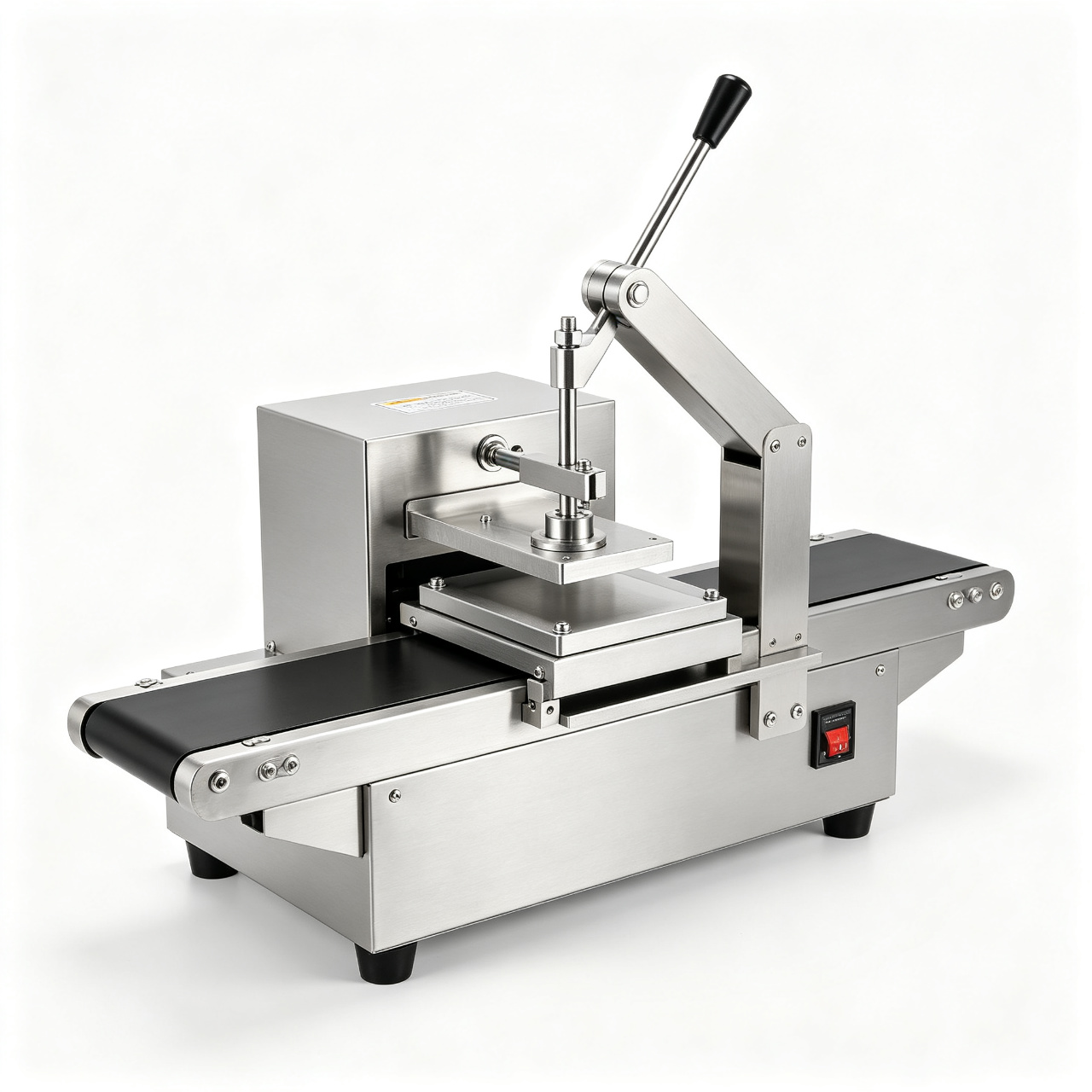
Selecting by Scenario: What to Choose and What to Avoid
A 500 ml PET water bottle, 28 mm neck, domestic distribution. 20 µm, PET/AL/PE laminate, 0.6 s dwell on a 30 mm head. Do not buy 38 µm “for safety”: the extra dwell slows the line and heats the neck, and the seal gains nothing.
A 340 ml glass sauce jar, 63 mm neck, stacked four high, sea freight. 38 µm with an ionomer sealant, 1.1 s dwell on a 65 mm head, and a rim-flatness check on incoming jars. Avoid 20 µm here; the failure appears as a lifted rim after two weeks in a stack, not at the factory gate.
A 1 L HDPE chemical bottle, 38 mm neck, air freight to a cold climate. 50 µm with a sealant matched to the product, 1.4 s dwell, plus a pressure test at 0.3 bar. Avoid 38 µm unless the pressure test passes on thirty samples; the cost difference per bottle is cents, the return shipment is not.
A 250 ml shampoo bottle, 28 mm neck, e-commerce parcels. 38 µm, because parcels are dropped and the seal must survive handling, and because fragrance oils attack a thin sealant layer over months on the shelf.
Selection Checklist Before You Request Foil Quotes
Write these twelve items into the inquiry, and a foil supplier can quote a specification rather than a price per kilogram: container material and finish diameter; finish type (PP, PE, PET, glass, with or without a sealing bead); product name, pH, oil or solvent content and fill temperature; head space and fill level; shelf life and storage temperature; distribution mode and maximum altitude; stacking height; closure type and liner; required peel behaviour (easy peel or tamper evident); print and coding requirements; roll width and core diameter; and the induction machine’s head size, frequency and available dwell.
Missing items are the usual cause of a foil that seals on the sample and fails in production. Fill temperature and distribution mode are the two most often omitted, and they are the two that drive the 38 to 50 µm step.
Common Mistakes We See on Export Lines
“Thicker is better.” On a 28 mm neck, 50 µm over-heats the finish before the sealant melts evenly, producing a seal that looks perfect and leaks at the rim. Thickness must match the neck and the head.
Choosing foil before the closure. The finish is the other half of the weld. A foil specified against a bottle that later changes supplier is a foil that has to be re-qualified, and the sealant layer is the part that fails.
Testing on water only. Water seals beautifully on almost any laminate. Oil, acid and surfactant products are the ones that fail, so the seal test has to run on the real product, at the real fill temperature, and be followed by a pressure or vacuum check.
Ignoring the head geometry. A 65 mm head on a 38 mm neck concentrates energy at the centre and starves the rim. The head should be sized to the finish, not to the largest bottle on the line.
Treating seal strength as a visual check. A seal that looks flat and shiny can be cold-welded and weak. The pass criterion should be a measured peel force or a pressure hold, not an operator’s eye.
How the Foil and the Machine Are Specified Together
The machine side has three variables that interact with foil: head diameter, frequency and dwell time. A 30 mm head with 1.5 to 3 kW suits 20 µm on small necks; a 65 mm head with 4 to 6 kW suits 38 µm at moderate speed; a 100 mm head with 8 to 12 kW is needed for 50 µm on wide jars, and at that size the dwell window narrows, which is why wide-jar lines run slower than bottle lines. Water-cooled heads hold the dwell window on continuous duty; air-cooled heads drift as the coil heats, and the drift shows up first as a rim leak on the widest neck on the line.
SunAura supplies induction sealers across that range and specifies the head against the customer’s closure drawing. The induction sealing machines page lists head sizes and generator ratings, and the capping machines section matters because the cap and the foil compete for the same finish: a cap that is applied too tight before sealing distorts the rim and no foil will hold.
The Bottom Line
Choose 20 µm for water, dry goods and short-shelf-life products on necks below about 38 mm. Choose 38 µm for sauces, dairy, oil, cosmetics and pharmaceuticals on necks from 28 to 63 mm, and for anything that is stacked or shipped in parcels. Choose 50 µm for wide jars, aggressive chemicals, hot fill and air freight. Then verify with thirty seals on the real product, at the real temperature, measured by peel force or pressure hold, and write the criterion into the purchase order.
Published 17 November 2026. Foil thickness recommendations assume a PET/AL/sealant laminate and a matched head; seal performance must be validated on the buyer’s product and closure before production release.