
SunAura Adds Servo Box-Motion Flow Wrapper with MAP Gas Flushing for Bakery, Protein and Ready-Meal Lines
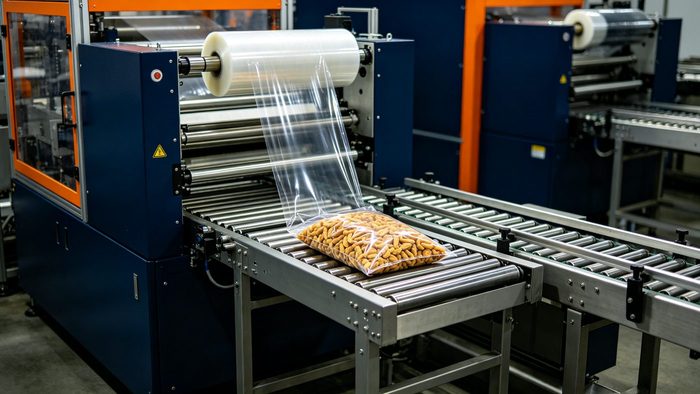
SunAura has added a servo-driven box-motion horizontal flow wrapper to its pillow packaging range, configured for long-dwell sealing and optional modified-atmosphere packaging (MAP) gas flushing. The new platform is aimed at producers who need a hermetic, gas-flushed pack for fresh bakery, cured meat, cheese, protein bars and ready meals, rather than a high-speed ambient wrap for shelf-stable snacks. It is a deliberate addition alongside the existing rotary-jaw machines, not a replacement for them, and the distinction matters at the buying stage because the two machines solve different problems at different price points.
What box-motion actually changes
On a standard flow wrapper, the cross-seal jaws rotate continuously, meeting the film for a short dwell time on every cycle. That is fast and mechanically simple, but the seal window is brief, which limits how thick a laminate can be sealed and how little time there is to flush air out of the pack. On a box-motion machine, the jaws travel with the film in a rectangular, servo-controlled path: they close, move horizontally alongside the pack while holding pressure, then open and return. The longer dwell applies heat over a controlled interval, sealing thicker and more complex barrier laminates reliably and giving the gas-flush system time to displace headspace oxygen before the seal closes.
MAP flushing and what it buys the buyer
Modified-atmosphere packaging replaces the air inside the pack with a controlled gas mix, commonly nitrogen to displace oxygen and carbon dioxide to inhibit microbial growth, with the blend tuned to the product. Residual oxygen is the number that matters: a well-tuned MAP flow wrapper holds residual oxygen near or below 1–2%, which is what extends the chilled shelf life of bread without mould, meat without oxidation, and ready meals without preservatives. The benefit only exists if the film, the seal integrity and the gas control work together, which is why MAP is offered on the box-motion platform rather than retrofitted to a short-dwell rotary machine.
Comparison: which flow wrapper fits which product
| Criterion | Rotary-jaw flow wrapper | Servo box-motion wrapper | Box-motion with MAP |
|---|---|---|---|
| Cross-seal dwell | Short, rotating jaws | Long, reciprocating box path | Long dwell synchronized with gas flush |
| Film capability | Thin mono and simple laminates | Thick, multi-layer barrier laminates | High-barrier MAP laminates |
| Typical products | Biscuits, confectionery, hardware, ambient snacks | Large or delicate packs, heavy gauge films | Fresh bakery, meat, cheese, ready meals, protein |
| Residual oxygen | Not controlled | Not controlled | Typically 1–2% with validated mixing |
| Seal integrity | Good for dry ambient goods | Hermetic on heavy films | Hermetic, leak-tested for gas retention |
| Speed range | Highest, often 150–300 packs/min | Moderate, commonly 60–150 packs/min | Moderate, set by gas exchange time |
| Relative capital cost | 1.0 baseline | 1.4–1.8 | 1.8–2.4 including gas train |
| Main limitation | Short dwell, thin films only | Lower peak speed, higher cost | Needs gas supply and seal validation |
Who should buy it, and who should stay with rotary
The box-motion MAP machine is the right choice when a chilled or preservative-free product needs an extended shelf life validated against a residual-oxygen target, when the packaging spec calls for a high-barrier laminate a rotary jaw cannot seal, or when the product is delicate and the gentler, longer seal reduces leakers and film burn. It is also the practical platform for producers moving from ambient into fresh and chilled categories without building a separate thermoforming line.
Buyers packaging dry, shelf-stable goods at high volume should stay with a rotary-jaw pillow packaging machine. It runs faster, costs less and is mechanically simpler, and adding MAP to a product that does not need it only raises the per-pack cost through gas consumption, heavier film and slower cycles. The two machines are complementary: many plants run a rotary line for ambient stock keeping units and a box-motion line for the fresh range rather than forcing one machine across both.
Configurations and how to specify
The platform is supplied with independent servo axes for the film feed, fin seal and box-motion cross jaws, recipe storage for film and gas settings, and a gas-mixing station with flow control and residual-oxygen feedback. Buyers should specify the pack size range, the barrier laminate structure and thickness, the target residual-oxygen level and shelf life, the required gas mix, and the desired packs per minute, because output and gas exchange are traded against each other on a MAP line. As with all food-contact equipment, the frame and guarding are built to the hygiene and washdown expectations of the product category.
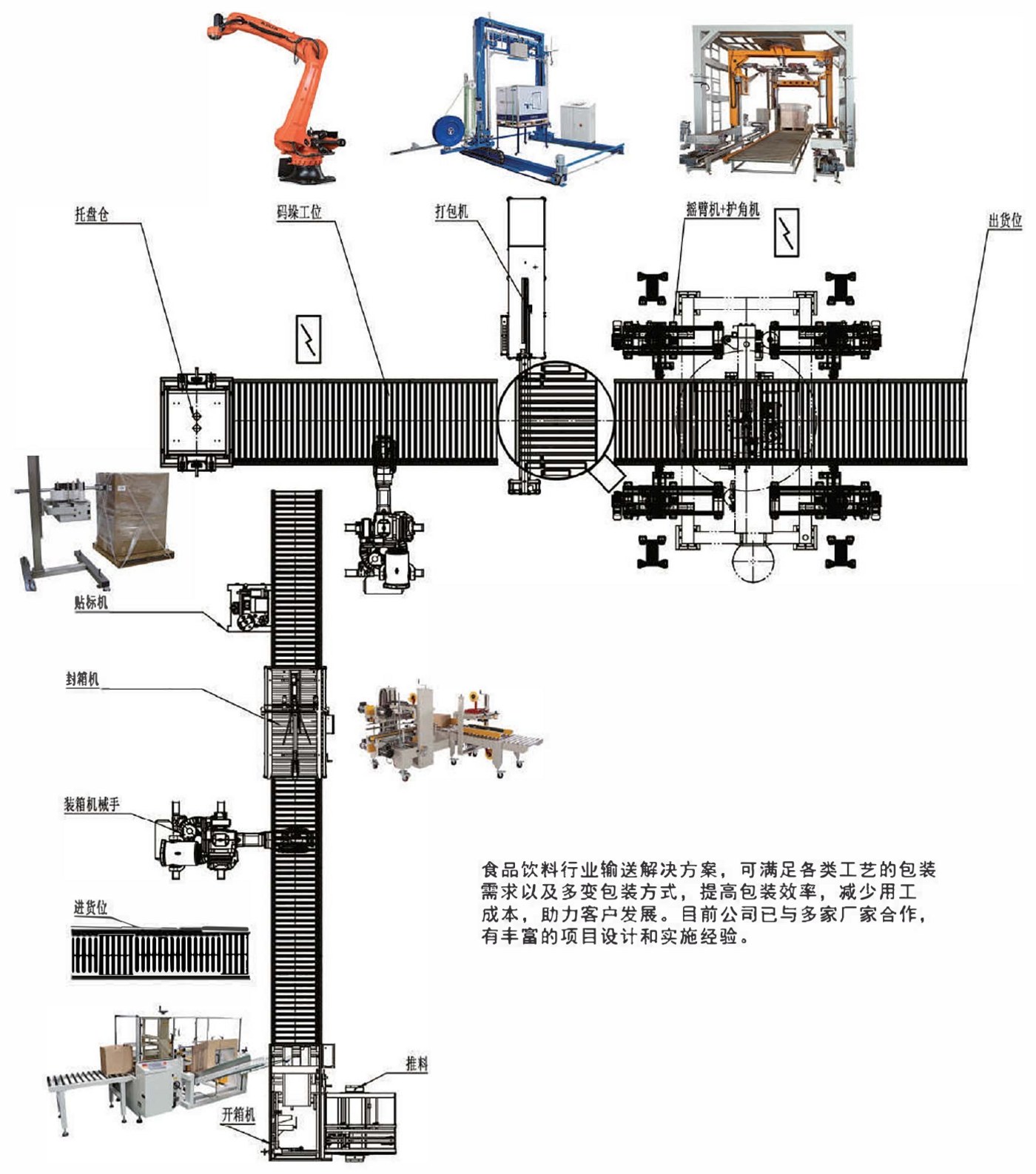
The full range of horizontal wrappers, including rotary and box-motion models, is listed under pillow packaging machines, and how the wrapper is synchronized with weighing, filling and downstream equipment into a continuous line is described under packaging lines. Hygiene and compliance details for food packaging are covered on the certifications page, and buyers planning a fresh or MAP product can discuss film and residual-oxygen targets with an application engineer through the contact form.