Standard vs Explosion-Proof (ATEX) Filling Machines: Choosing by Flash Point, Hazardous Zone and Chemical Type
Three chemical filling enquiries arrived in one month with the same machine on the buyer’s shortlist: a standard automatic piston filler priced for water-based detergents. The first product was 96% ethanol for a sanitiser and perfume line; the second was acetone-based nail polish remover; the third was an oil-based paint blended with white spirit. All three are liquids a piston filler can meter accurately, and none of them belongs on a standard electrical machine. The filling principle was never the problem. The ignition risk was. This guide explains how a filling machine becomes an ignition source, how to read the hazard off the safety data sheet, and how to write the correct explosion-protection level into the purchase order instead of paying for it after an incident.
Why a perfectly good filler can become an ignition source
A flammable liquid does not itself burn; the vapour above it does. Two numbers decide whether that vapour can be present in explosive concentration at the filling head. The flash point is the lowest temperature at which the liquid gives off enough vapour to ignite near its surface. Acetone flashes at roughly -20 °C, ethanol at about 13 °C, and many solvents flash well below normal workshop temperature, which means an explosive atmosphere can exist around an open nozzle on an ordinary day. The lower explosion limit (LEL) is the concentration of vapour in air, usually between 1 and 3 vol.%, above which ignition is possible. Every filling operation releases vapour at the nozzle, at the neck of the container, and during any splash or foam event.
Against that vapour, a standard machine offers several ignition points: a non-spark-rated motor switching under load, relay and contactor contacts arcing, a servo drive’s warm surface, static charge building on an ungrounded plastic conveyor guide, or even a hot enclosure above the solvent’s auto-ignition temperature. Explosion protection is not one feature. It is a set of design choices that either keep those sources away from the vapour or ensure they cannot ignite it. The correct level is set by the hazardous area the machine will sit in, which is the buyer’s classification, not the machine maker’s guess.
Comparison table: four protection levels for liquid filling
| Criterion | Standard filler | Anti-static / earthed filler | Intrinsically safe (Ex i) | Full explosion-proof (ATEX Ex d / Ex e) |
|---|---|---|---|---|
| Typical products | Water, detergents, water-based liquids | High-flash-point oils, low-volatility chemicals | Sensors, scales and small actuators near the nozzle | Ethanol, acetone, solvents, thinners, fuels |
| Electrical design | Standard motors and panels | Standard parts, bonded and grounded frame | Energy-limited circuits, no spark possible | Flameproof enclosures, sealed conduits, rated motors |
| Target area | Unclassified area | Zone 2, low vapour risk | Zone 1 and Zone 2 field devices | Zone 1 and Zone 2, complete machine |
| Control panel location | On the machine | On the machine | Local safe devices only | Inside Ex enclosure or outside the zone |
| Static control | Not guaranteed | Full bonding chain, conductive parts | Full bonding chain | Full bonding chain, grounded containers |
| Vapour extraction | Not included | Optional local extraction | Recommended | Often integrated at the filling head |
| Relative capital cost | 1.0 (baseline) | 1.1–1.3 | 1.4–1.8 for the rated components | 1.8–2.8 depending on zone and gas group |
| Main limitation | Unsafe for any flammable vapour | Does not contain electrical sparks | Only low-power devices can be protected this way | Higher cost, heavier enclosures, certified maintenance only |
The zone decision framework
Hazardous areas are classified by how often an explosive atmosphere is present. Zone 0 means vapour is present continuously or for long periods, essentially inside the tank and closed vapour space; equipment here needs the highest category and is rarely a filling machine itself. Zone 1 means vapour is likely to occur in normal operation, which describes the space directly around an open filling nozzle for a low-flash-point solvent; machines here are typically built to equipment category 2 with flameproof (Ex d), increased-safety (Ex e) or intrinsically safe (Ex i) protection. Zone 2 means vapour is unlikely and, if it appears, persists only briefly, such as a well-ventilated hall where spills are abnormal; category 3 equipment and a properly earthed machine with local extraction may be sufficient.
Two further labels come from the chemical. Gas groups IIA, IIB and IIC rank how easily the vapour penetrates and ignites, with IIC the most severe; hydrogen and acetylene sit in IIC, most common solvents in IIA or IIB, and a machine rated for IIC covers the lower groups automatically. Temperature classes T1 to T6 cap the maximum surface temperature of the equipment, from 450 °C down to 85 °C, and the machine’s maximum surface must stay below the chemical’s auto-ignition temperature. A label reading Ex d IIB T4 is a real specification a buyer can check against the SDS, not a marketing line.
Scenario-based selection
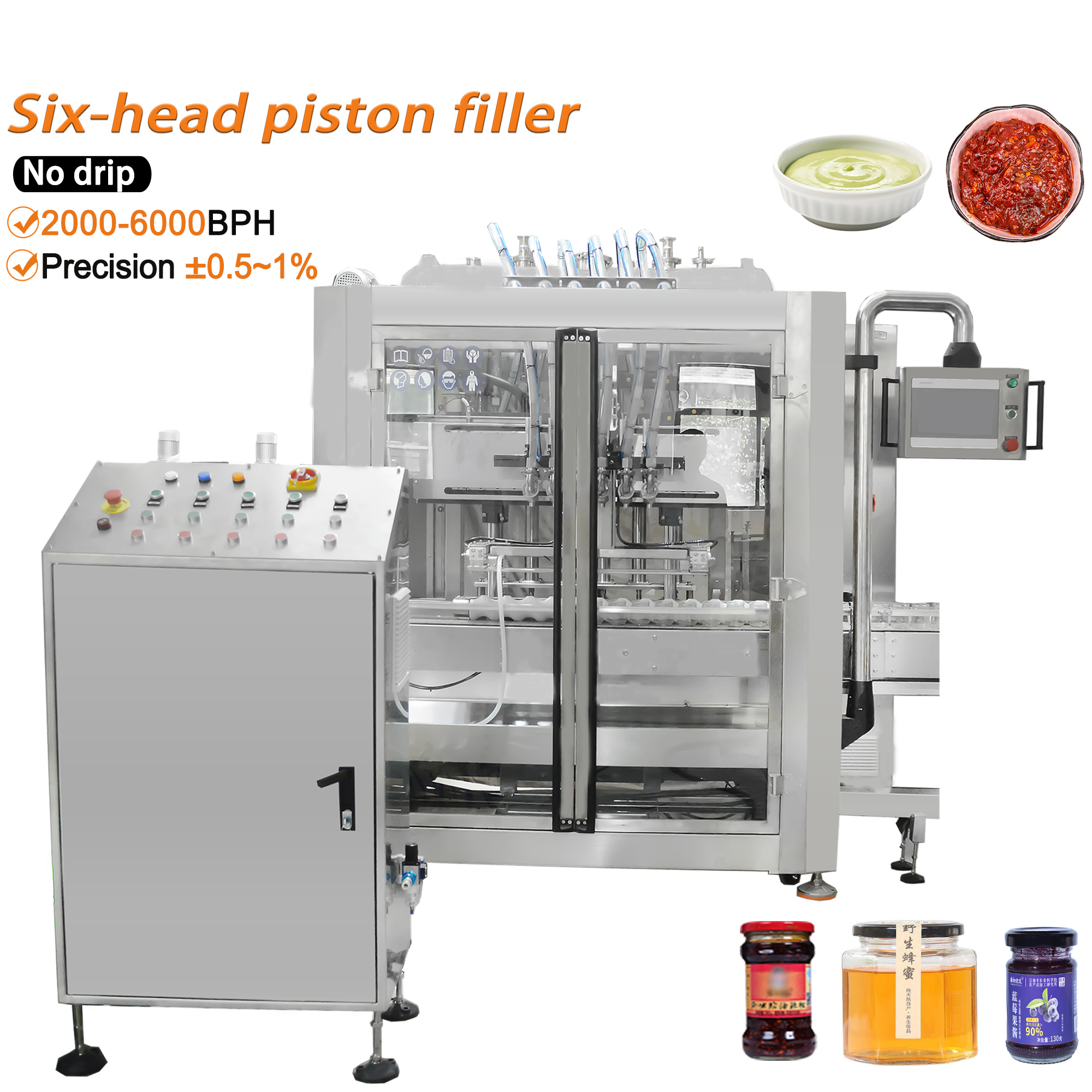
Ethanol, perfumes and alcohol-based sanitiser (flash point near or below room temperature). Expect a Zone 1 classification around the nozzle. Specify a full ATEX machine with flameproof or increased-safety enclosures, intrinsically safe sensors, conductive and grounded container handling, and vapour extraction at the head. A sealed HMI outside the zone is cheaper than certifying a large panel on the machine.
Acetone, ketones and nail-care liquids (very low flash point, high volatility). These often fall in gas group IIB and generate vapour aggressively. Specify category 2 equipment, confirm the temperature class against the auto-ignition point, and do not rely on room ventilation alone; the extraction airflow and LEL monitoring should be part of the line design, not an afterthought.
Paints, inks and white-spirit blends (flash point typically 30–60 °C). If the workshop stays below the flash point and ventilation is good, a Zone 2 classification with an earthed, anti-static machine may be accepted; if filling is heated or the hall is warm in summer, the area can effectively become Zone 1. Classify the real operating temperature, not the winter one.
Water-based detergents and non-flammable chemicals. A standard liquid filling machine is correct and safe. Paying for ATEX protection here is wasted budget that belongs in the ventilation and grounding of the actual solvent line. Corrosive but non-flammable products such as bleach need chemical-resistant wetted parts, which is a separate material question and not an explosion-protection one.
Pre-inquiry checklist
- Flash point and auto-ignition temperature from the safety data sheet, for every product on the line
- The hazardous zone classification at the filling position, and who in the plant is responsible for it
- Gas group (IIA/IIB/IIC) and the required temperature class (T1–T6)
- Whether the control panel can be located outside the classified area
- Bonding and grounding path for machine, conveyor, nozzle and each container
- Ventilation and extraction capacity, and whether LEL gas monitoring is required
- Container material, because plastic bottles and funnels can accumulate static unless conductive
- The certification scheme accepted in the destination country, such as ATEX in the EU or IECEx in many export markets
Common selection mistakes
Treating explosion protection as an add-on. A standard machine cannot be reliably converted on site by swapping one motor; the conduits, panels, grounding and certification form one system. Retrofits rarely carry a coherent certificate and often cost more than ordering the rated machine.
Classifying from the product name instead of the data. “Water-based” paints and “mild” solvents can still flash below workshop temperature. The SDS numbers, not the label, define the zone.
Ignoring static on non-electrical parts. Even with a rated motor, an ungrounded stainless nozzle or an insulating plastic guide can discharge into solvent vapour. The bonding chain has to reach every conductive part the fluid touches.
Over-specifying to feel safe. A Zone 2, IIA product does not need a Zone 1, IIC machine, and the surplus budget is better spent on extraction, training and certified maintenance, which prevent more incidents than an unused rating.
What each buyer should actually order
Order a full ATEX or IECEx explosion-proof filler when the flash point is at or below the normal workshop temperature, when the nozzle area is classified Zone 1, or when the product is an alcohol, ketone, solvent or fuel. Confirm the exact gas group and temperature class on the nameplate against the SDS, and place the main panel outside the zone where the layout allows.
Order an earthed, anti-static machine with local extraction only when a documented Zone 2 assessment shows vapour appears briefly and abnormally, and the operating temperature stays below the flash point. Re-classify if the process is heated or the season changes.
Order a standard filler for genuinely non-flammable, water-based products and spend the saved budget on the solvent line rather than on unused certification. The protection level is a safety decision grounded in measured flash point, zone and gas group, and getting it right is cheaper than either an incident or a lifetime of over-rated equipment.
The rated and standard filling configurations, including piston and pump metering for chemical products, are detailed under our liquid filling machines, and how a filler is integrated with capping and sealing into one balanced line is covered under packaging lines. Certification and compliance documentation, including the standards applied to export equipment, are described on the certifications page, and buyers who want a machine checked against their own SDS and zone classification can send the documents through the contact form.