Why a Snack Producer Kept Flow Wrapping Over Thermoforming: When the Rigid Tray Does — and Doesn’t — Pay
The premium snack producer went into the project expecting to upgrade. The product was doing well, and the marketing team had a strong instinct that a rigid thermoformed tray with a sealed lid would look more premium on the shelf than the flexible pillow bag the line had always produced. So the company ran a genuine comparison: it trialled the same product in both a thermoformed rigid pack and a flow-wrapped flexible pouch, measured the line performance and the shelf-life results, and then made a decision that surprised the team — it kept the flow wrapper. This is not a story about one technology being bad. It is a selection lesson about where rigid and flexible packaging each earn their cost, and why the obvious premium upgrade is sometimes the wrong buy.
At SunAura Machinery we supply both thermoforming and flow-wrapping equipment, and the honest starting point is that neither format wins universally. The rigid tray is a strong answer at high throughput and for specific shelf and modified-atmosphere needs, while the flexible pillow bag is the lower-risk, lower-tooling and often more efficient answer at the volumes most plants actually run. Here is how the decision was reached and the boundaries you should apply to your own line.
Why a Snack Pack Is Harder Than It Looks
Dry and baked snacks are geometrically fragile, often hygroscopic and frequently fat-rich, which creates a demanding combination of mechanical and barrier requirements. A product that goes soft the moment it absorbs moisture, or that develops rancid notes when oxygen reaches its oil content, cannot tolerate a weak seal or a punctured film. Irregular shapes increase the risk of a sharp edge piercing the pack during stacking and handling, and frozen variants have to survive very low temperatures without the film becoming brittle or delaminating. The packaging decision therefore has to be judged on barrier, seal reliability, puncture resistance and how the pack behaves in transit — not only on how it looks under studio lighting.
This matters because the premium look of a rigid tray can quietly distract from the operating numbers. The brand’s first discipline was to define the measurable requirements — target shelf life, acceptable oxygen and moisture transmission, realistic line speed and the way the product is actually distributed — before choosing a format on appearance. That framing is what eventually kept the flexible pack in the running rather than being dismissed as the cheaper option.
What the Side-by-Side Trial Actually Showed
The most instructive part of the project was that the two formats were tested on the same product rather than compared on datasheets. In the documented case that informed this approach, the flexible pouch line ran at very high availability, while the rigid thermoforming line suffered a much higher rate of unplanned downtime, much of it traced to inconsistent seal initiation and the alignment of the forming tooling. The shelf-life validation produced an equally unexpected result: the flexible pack retained the product’s crispness for longer despite comparable barrier specifications, a difference attributed to a lower risk of micro-perforation and a tight, reliable fin seal. The lesson is not that rigid packs fail in general; it is that a thermoforming line is a more complex machine whose tooling and seals have to be precisely specified and maintained, and a trial on the real product reveals problems that a brochure comparison hides.
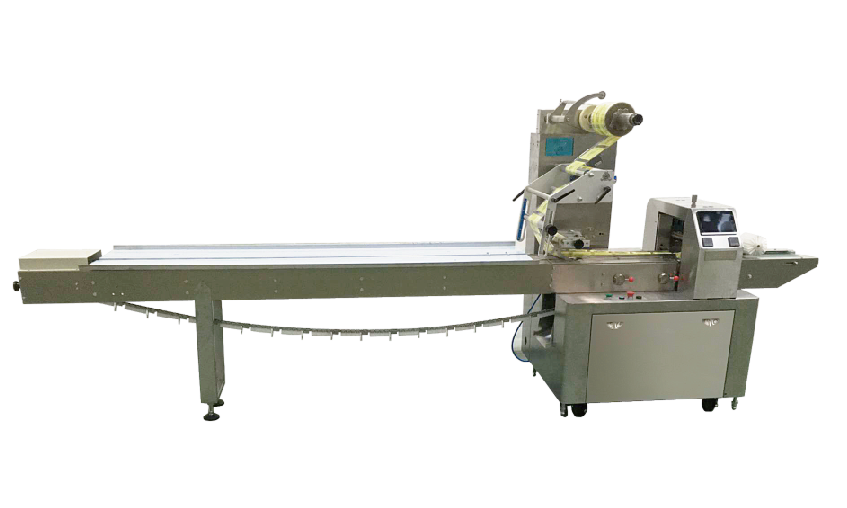
The Flexible Flow Wrapper: Low Tooling, Fast Changeover, High Availability
A horizontal flow wrapper forms the pack around the product from a single roll of film, sealing it along the fin and across the ends and cutting it in one continuous motion. The capital tooling is modest — essentially the forming and change parts rather than a full set of precision molds — and the changeover between SKUs is short, which is a major advantage for a multi-product plant. Modern servo-driven machines hold the seal temperature and film registration under closed-loop control, so the seal is reliable and the film waste is low once the line is dialed in. The flexible pack is also light, which keeps the material and transport cost down, and the laminated film can be specified with strong oxygen and moisture barriers for fat-rich products.
The trade-off is shelf presence and structure. A pillow bag does not stand and display like a rigid tray, it offers less physical protection against crushing, and it cannot be reopened and reclosed in the way a lidded tray can. For a single-serve, fast-turnover snack sold in bags, those are acceptable; for a product that depends on rigid presentation or a resealable lid, they are not. The flexible line won here because the product was genuinely suited to a bag, and the brand’s premium image was carried through the film print and the shelf display rather than the pack structure.
The Rigid Thermoforming Line: Where It Genuinely Wins
A thermoforming machine forms a rigid tray from a heated plastic web, fills it, and seals a lidding film over the top, often under a modified atmosphere or vacuum. The rigid pack gives strong shelf presence, protects the product from crushing, supports multi-compartment layouts and resealable lids, and is the natural platform for modified-atmosphere packaging that extends the life of sensitive products. It is a genuinely premium format and the right answer for a specific set of requirements. The reason it did not win for this snack was the economics of tooling and throughput rather than the quality of the pack.
Thermoforming is dominated by tooling cost. A precision multi-cavity mold with its cooling and venting carries a substantial price tag and a long lead time, and additional lidding and case-handling tooling adds to the investment. The rigid line only amortizes that tooling at genuinely high throughput; below a critical speed, the fixed cost per pack becomes hard to justify against a flexible line whose tooling is a small fraction of the price. Industry sourcing references frame the rigid-versus-flexible break-even in terms of sustained high-speed production running for a long enough period to recover the tooling, and they are explicit that below that threshold the flexible pack is the better return. The brand’s realistic volume simply did not underwrite the rigid investment.
Selection Table: Thermoforming vs Flow Wrapping
| Dimension | Rigid thermoformed tray | Flexible flow-wrapped pillow bag |
|---|---|---|
| Pack structure and shelf presence | Rigid, premium, stands and displays | Flexible bag; presentation carried by print |
| Physical protection | Strong against crushing | Protects against puncture; less crush resistance |
| Tooling and change parts | Precision molds; high cost and long lead | Forming parts; low cost |
| Changeover across SKUs | Longer; mold-dependent | Short; suited to multi-SKU plants |
| Throughput to justify cost | Needs sustained high-speed production | Economic across a wider volume range |
| Modified-atmosphere and vacuum | Natural platform for MAP and skin packs | Available with gas-flush builds |
| Resealable option | Yes, with a lidded design | Generally no |
| Pack and material weight | Heavier rigid structure | Light; lower transport cost |
| Best-fit products | Premium MAP snacks, meals, multi-compartment trays | Single-serve bags, bars, baked and dry snacks |
When Not to Buy Each Format
Do not buy a thermoforming line if your realistic throughput is below the level that amortizes the molds, if you run a frequently changing mix of low-volume SKUs, or if the product sells perfectly well in a flexible bag and the premium is a marketing assumption rather than a proven customer preference. The tooling is a fixed commitment that punishes low and uncertain volumes, and a rigid line that is underused is an expensive way to chase a look. Conversely, do not default to a flow wrapper if your product genuinely needs crush protection, a resealable lid, a multi-compartment layout or a modified atmosphere that is best delivered on a rigid tray, or if the retail shelf explicitly requires a stand-up rigid pack. The flexible line is the wrong answer for those requirements even when it is cheaper.
There is a reverse case worth naming. Some plants run both formats deliberately, using the rigid thermoforming line for the premium MAP SKUs and the flow wrapper for the high-volume value bags, rather than forcing one machine to cover the whole range. That is justified only when the product portfolio genuinely contains both needs and the volumes support both lines; for a single product family at moderate volume, running two technologies is duplication rather than flexibility.
Life-Cycle and Cost Reality
The flexible format carries a life-cycle advantage on mass and transport: a light pouch uses less material and less freight per unit, and published life-cycle work on comparable frozen and snack products has found the flexible pack can carry a meaningfully lower carbon footprint than a rigid tray even when end-of-life recycling is accounted for, because the lighter pack needs less energy to make and to move. Rigid trays, particularly recycled PET, can be strong on recycled content but face real collection and sorting limits in some curbside systems, while laminated multi-material films need dedicated recycling routes. As with all sustainability claims, the honest comparison is a full life-cycle assessment for the specific region and distribution distance rather than a recycling logo on either side.
On the operating side, the cost comparison should include the seal reliability and the realistic first-pass yield, not just the machine price. A flexible line that runs at high availability and low film waste protects margin, while a rigid line that is mis-specified for the volume erodes it through tooling cost and downtime. Validate the seal on the actual product and the actual film, including the worst-case irregular or sharp-edged sample, rather than accepting a clean demonstration.
Frequently Asked Questions
Why would a premium-looking rigid tray be the wrong choice?
Because the rigid line depends on expensive precision tooling that only amortizes at sustained high throughput. At moderate or changing volumes, the fixed tooling cost per pack is hard to justify, and a flexible line with strong printed film can deliver the premium image without the mold commitment. The decision should be based on the proven volume and customer preference, not the appearance alone.
Does a flexible bag protect a fragile or fat-rich snack adequately?
Yes, when the laminated film is specified with the right oxygen and moisture barrier and the seal is run under controlled temperature and registration. A reliable fin seal and puncture-resistant film handle most dry and baked snacks; the flexible format is weaker only on crush resistance, which is where a rigid tray wins.
When does thermoforming clearly pay off?
At high, stable throughput, and when the product needs rigid presentation, crush protection, a resealable or multi-compartment pack, or a modified-atmosphere or skin process that is naturally delivered on a thermoforming line. Under those conditions the tooling cost is recovered across the volume and the rigid pack is the correct investment.
Is the flexible pack the more sustainable option?
It often carries a lower carbon footprint on a full life-cycle basis because it is lighter and cheaper to transport, though laminated films need dedicated recycling and rigid trays can offer strong recycled content. Compare the specific materials and region on a full life-cycle assessment rather than choosing on the end-of-life symbol.
Summary: Buy the Format the Volume and Product Justify
The decision is less mysterious than the sales slides suggest. The rigid thermoformed tray is the premium, high-protection, MAP-capable format that pays back only at sustained high throughput where the tooling cost can be amortized. The flexible flow-wrapped pillow bag is the light, low-tooling, fast-changeover and high-availability format that is the better return at moderate and changing volumes, and it can carry a premium image through print when the product genuinely suits a bag. The brand kept the flow wrapper because its real volume, its shelf-life results and its product all favored the flexible pack, and choosing rigid on appearance would have committed capital the numbers did not support. Run the trial on your own product, underwrite the decision on proven volume, and only then commit to the molds.
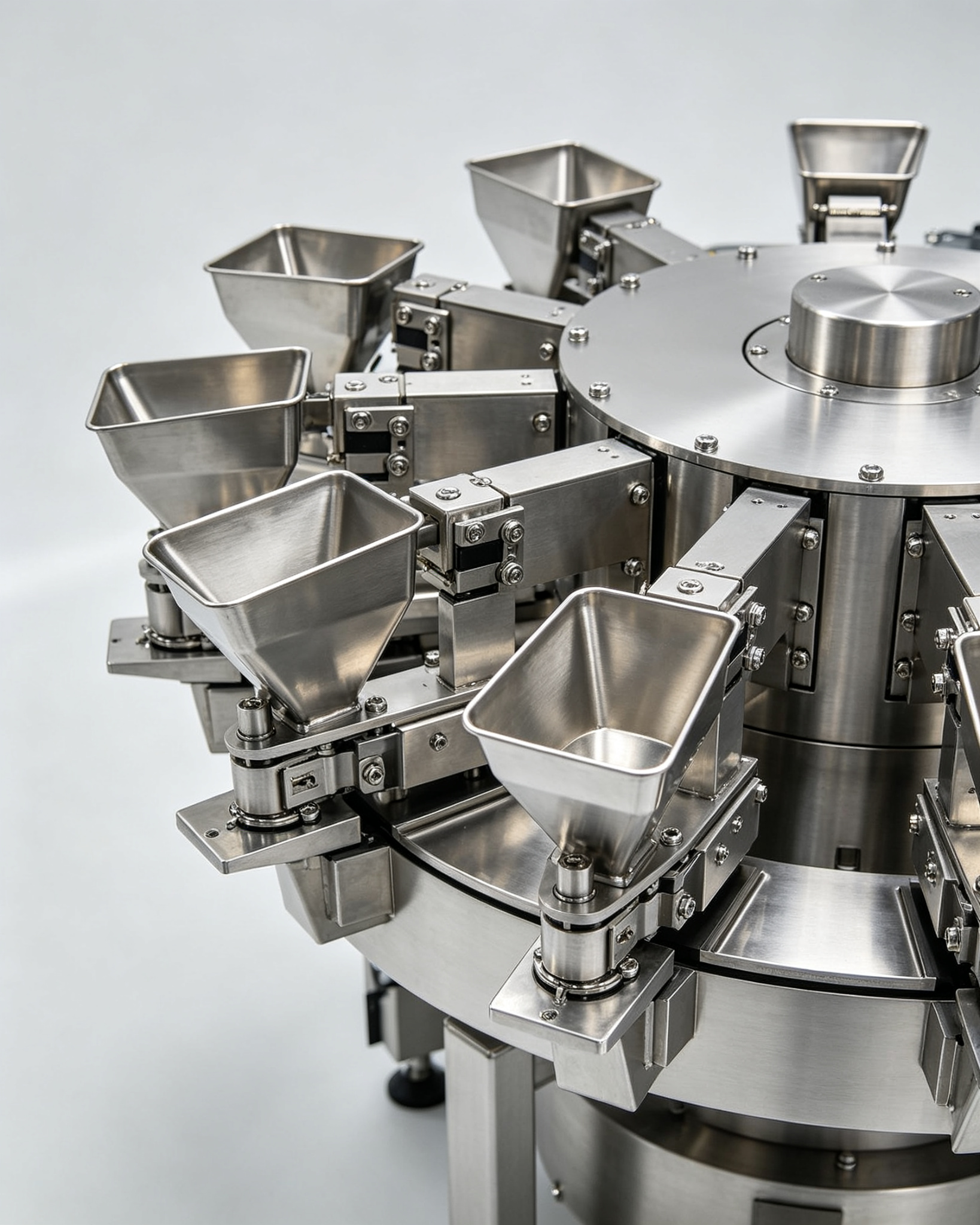
The equipment has to be specified as one system. The product is portioned upstream by the multihead weighers that deliver a consistent fill, then runs either into the thermoforming machines that form and seal a rigid tray or the pillow packaging machines that form and seal a flexible bag. For the thermal process that decides whether a product is ambient or refrigerated, see how the four routes compare in our guide to aseptic vs hot-fill vs ESL vs retort, and for the choice among rigid containers, see why a cold-brew brand chose aluminum cans over glass and PET. Send us your product, target volumes and shelf-life requirements and we will recommend the format and specify the line — contact SunAura Machinery to start the review.
Sources and Further Reading
The tooling costs, throughput thresholds and rigid-versus-flexible comparisons in this article draw on publicly available packaging and machinery references, including the PackPrintMatrix material and machine guide with its thermoforming tooling and break-even figures, the Hualian packaging guidance on thermoforming applications, and life-cycle work published in packaging technology literature comparing flexible and rigid formats. Specific tooling prices, downtime and carbon figures vary by region, machine build and methodology and are presented as indicative industry ranges rather than fixed values.