

QINGDAO, China — September 25, 2026 — SunAura Machinery has expanded its induction sealing machine product line with five new models covering bottle and jar sealing applications from 10 bottles per minute to 150 bottles per minute. The expanded range gives beverage, food, pharmaceutical, and cosmetics producers a full spectrum of induction cap-sealing equipment — from entry-level hand-operated units to high-speed inline systems.
The expansion responds to growing demand for tamper-evident and leak-proof bottle sealing. Induction sealing uses electromagnetic induction to heat a foil liner inside the cap, bonding it to the bottle rim and creating an airtight, tamper-evident seal. It is the standard sealing method for beverages, edible oils, sauces, dairy products, pharmaceuticals, and cosmetics. The new models replace an older single-model offering with a tiered lineup matched to production volume — so a small craft beverage producer no longer has to over-invest in a high-speed inline unit, and a large bottler is no longer constrained by an entry-level sealer.
New Model Range
| Model | Type | Bottle Size Range | Speed | Typical Application |
|---|---|---|---|---|
| IS-100 | Hand-held induction sealer | 10–120mm cap diameter | 10–20 bottles/min | Small batches, R&D, pilot plants |
| IS-300 | Budget bench-top sealer | 15–120mm cap | 20–40 bottles/min | Start-up food and beverage producers |
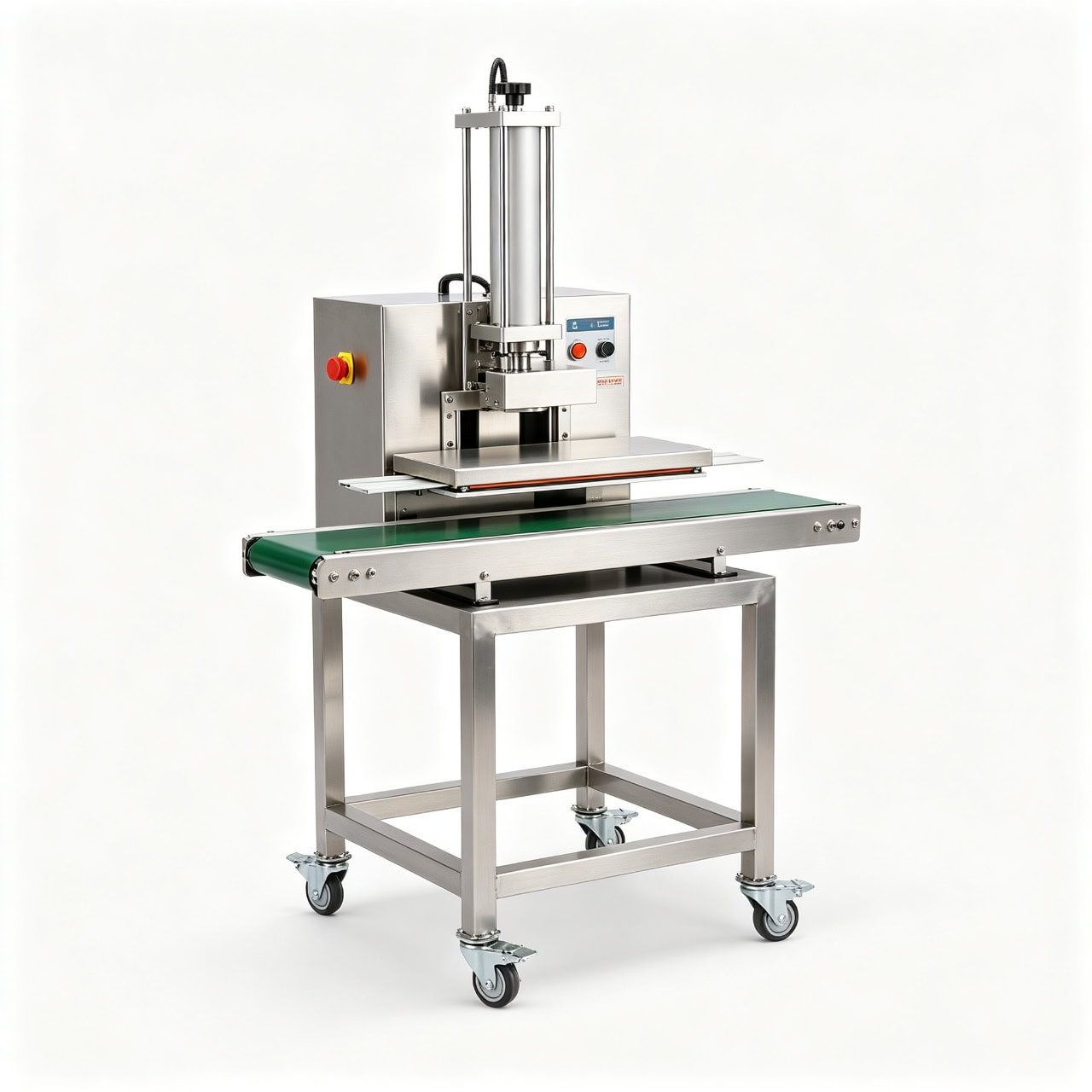
| IS-500 | Air-cooled inline sealer | 15–150mm cap | 40–80 bottles/min | Beverage and sauce production lines |
| IS-800 | High-speed inline sealer | 15–150mm cap | 80–150 bottles/min | High-volume beverage, oil, dairy lines |
| IS-E | Electric aluminum foil sealer | 20–150mm cap | 30–60 bottles/min | Glass jars, wide-mouth containers |
Why Induction Sealing Matters
Induction sealing provides three critical benefits:
- Tamper evidence: the foil liner breaks when the cap is first opened, providing clear visual proof the product has not been opened. This is a legal requirement for many food and pharmaceutical products.
- Leak prevention: the foil-to-bottle bond creates a liquid-tight seal, preventing leaks during transport and handling. This reduces product loss and customer complaints.
- Shelf-life extension: the airtight seal blocks oxygen and moisture ingress, extending product shelf life. For oxygen-sensitive products like edible oil and vitamins, induction sealing is essential.
Without induction sealing, bottles rely on the cap alone for containment — which can loosen in transit or allow slow oxygen ingress. The foil seal adds a robust second barrier that protects product quality from factory to consumer.
Market Context: Why Induction Sealing Demand Is Growing
The expansion comes at a time when induction sealing demand is rising across multiple end markets. Food safety regulations in Europe and North America increasingly require tamper-evident packaging for beverages, sauces, and dairy products. E-commerce growth has increased direct-to-consumer shipments, where leak prevention and tamper evidence protect brands from transit damage and product-tampering claims. And the global beverage market’s shift toward functional drinks, cold-pressed juices, and premium oils has pushed more producers to adopt foil sealing for shelf-life extension.
For contract packers and private-label producers, induction sealing has become table stakes — major retail buyers now list “tamper-evident foil seal” as a packaging requirement in their supplier agreements. A producer without induction sealing capability is increasingly excluded from these contracts.
How Induction Sealing Works
Induction sealing is a two-part process. The cap contains a foil liner — typically a multi-layer structure of aluminum foil, pulp board, and a heat-seal coating. After capping, the bottle passes under the induction sealing head, which generates a high-frequency electromagnetic field. The field passes through the plastic cap and induces eddy currents in the aluminum foil, heating it. The heat activates the heat-seal coating, bonding the foil to the bottle rim.
The process takes 1–3 seconds per bottle depending on the foil type, cap size, and power setting. The seal is created entirely by heat and pressure — no adhesive, no mechanical crimping, no consumable seal bands. This makes induction sealing fast, clean, and consistent across thousands of bottles per shift.
Engineering Highlights
The expanded induction sealing line shares a common platform with several engineering improvements:
- Solid-state IGBT power supply: replaces older vacuum tube circuits. Higher efficiency, lower heat generation, and faster warm-up.
- Frequency auto-tuning: the power supply automatically matches the sealing frequency to the foil and cap combination, eliminating manual tuning. This is critical when switching between different cap sizes and foil types.
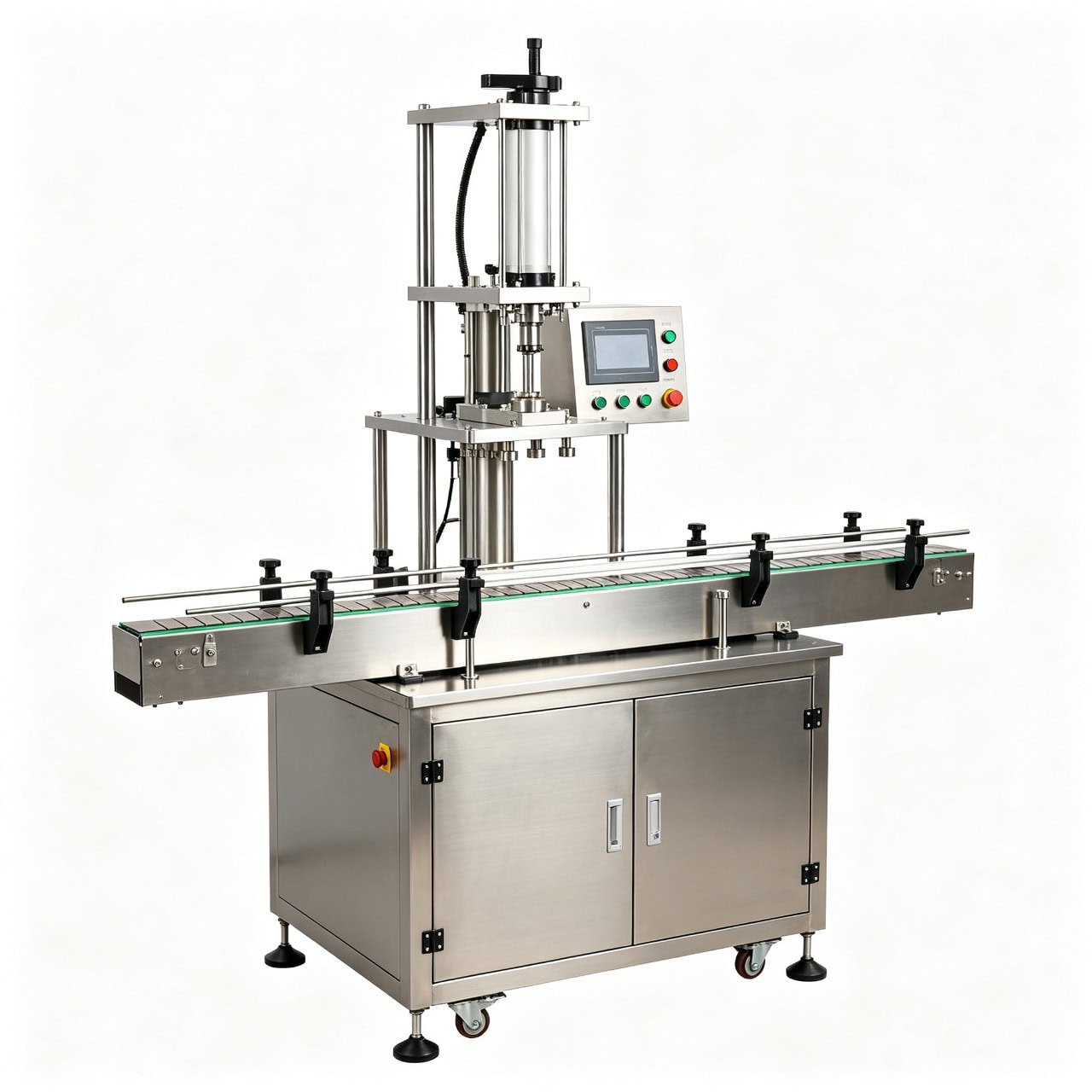
- Digital power control: sealing power is adjustable in 1% increments from the HMI, allowing operators to fine-tune the seal for different foil thicknesses and bottle materials.
- Air-cooled sealing head: the head stays cool during continuous operation, eliminating water-cooling plumbing and reducing maintenance.
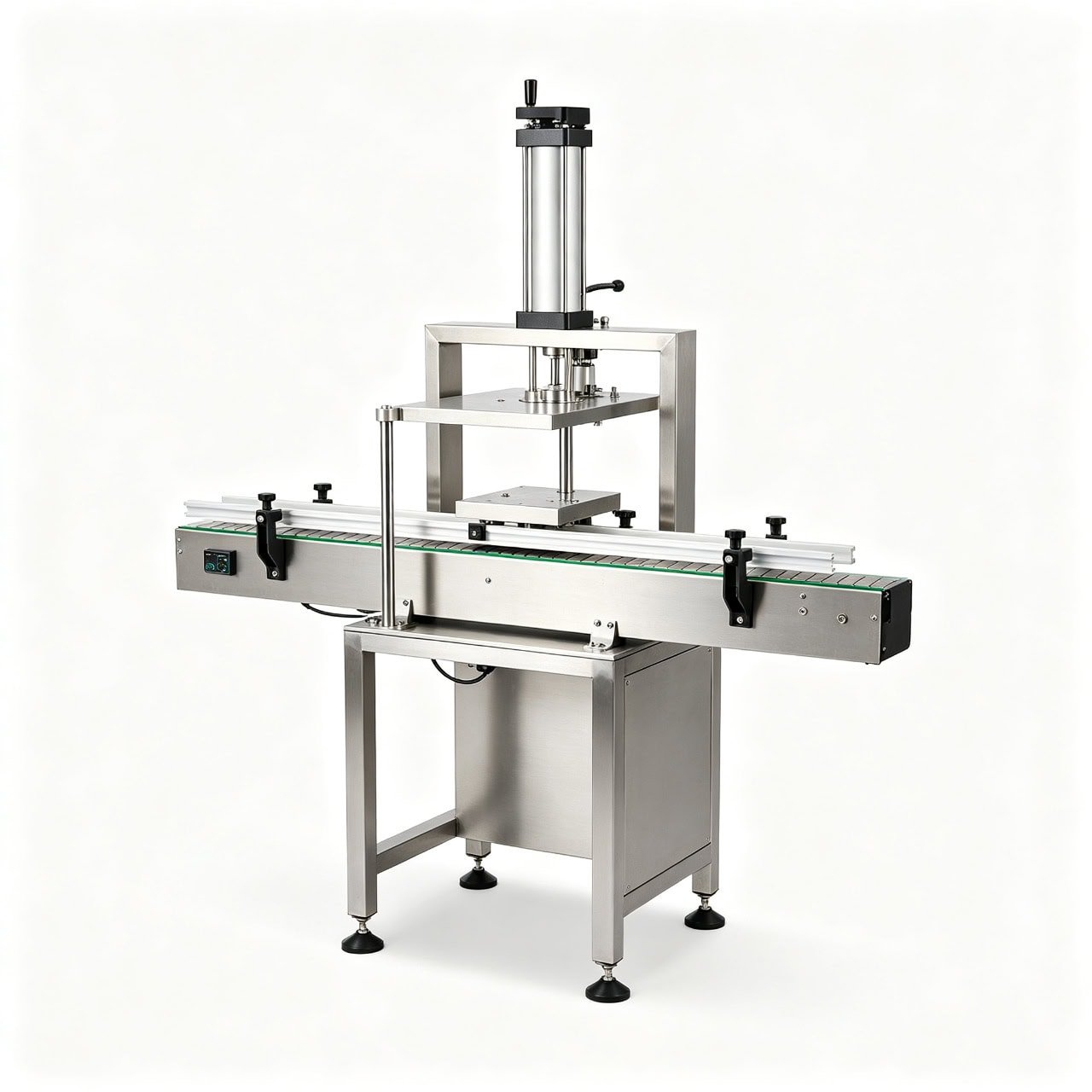
- Height-adjustable conveyor: the inline models include a height-adjustable conveyor to match upstream fillers and cappers.
“Induction sealing looks simple — you place a bottle under the head and it seals. But the physics is more demanding,” says the SunAura engineering team. “The foil must heat to exactly the right temperature to bond without burning the liner. Our IGBT power supply with auto-tuning holds the sealing temperature consistent across thousands of bottles per shift.”
Applications Across Industries
The expanded induction sealing line serves several customer segments:
Beverages: water, juice, tea, and functional beverages use induction sealing for tamper evidence and leak prevention. The IS-800 high-speed model handles 150 bottles per minute — sufficient for most beverage production lines.
Edible oils and sauces: oxygen-sensitive oils and sauces require airtight seals to prevent oxidation. The foil liner creates a hermetic barrier that extends shelf life from 12 to 24 months.
Pharmaceuticals: medicines, vitamins, and supplements require tamper-evident packaging by regulation. The IS-300 and IS-500 models are used on pharmaceutical lines with batch tracking and validation documentation.
Cosmetics: lotions, creams, serums, and essential oils use induction seals to prevent contamination and leakage. The compact footprint of the IS-300 makes it suitable for small cosmetics workshops.
Dairy: yogurt drinks, milk-based beverages, and liquid dairy products use foil seals for freshness. The IS-800 handles high-speed dairy bottling lines.
Foil Types and Cap Compatibility
Induction sealing works with a range of foil liner materials:
| Foil Type | Structure | Best For |
|---|---|---|
| Aluminum foil liner | Aluminum + pulp board | Most bottles and jars, standard tamper evidence |
| Aluminum foil + PET film | Aluminum + PET laminate | Products requiring stronger moisture barrier |
| Pressure-sensitive liner | Aluminum + adhesive | Re-sealable containers, jar lids |
| Induction + pull tab | Aluminum with pull ring | Consumer convenience, easy-open jars |
Cap material matters too. Induction sealing works with plastic caps (PP, PE) because the electromagnetic field passes through the plastic and heats only the aluminum foil. Glass jars and plastic bottles both work — the seal is created at the bottle rim, not through the container wall.
Buying Advice: Choosing the Right Induction Sealer
When comparing induction sealing machine quotes, focus on four factors:
Bottle throughput: match the machine speed to your capping line speed. A sealer that runs 150 bottles per minute is wasted on a line capping 40 bottles per minute — but a 40-bottle-per-minute sealer will bottleneck a high-speed line. Leave 20% headroom above your current line speed.
Cap diameter range: confirm the machine handles your full cap range — from small 15mm vials to wide 150mm jar lids. If your product line includes both, look for a model with a wide coil range or quick-change coil heads.
Power supply compatibility: the sealing power requirement (500W–3kW) affects your facility’s electrical setup. Confirm the voltage and phase requirement before ordering — a 380V three-phase machine needs a different installation than a 220V single-phase unit.
Foil and cap testing: send your actual caps and foil liners to the supplier for a test run. Every combination of cap material (PP, PE), foil type, and bottle material seals differently. A 30-minute test with your actual components prevents weeks of post-delivery troubleshooting.
Quality Control and Maintenance
Induction sealing machines are relatively simple to maintain, but seal quality depends on consistent operation:
Daily checks: verify the sealing head is clean, check conveyor speed against the HMI reading, and inspect a sample bottle from each production run — the foil should be bonded evenly around the full rim with no burnt or missing sections.
Weekly checks: inspect the sealing coil for damage, verify power output against the HMI reading, and clean the cooling fan intake. The coil is the wear item — a damaged coil causes uneven sealing across the bottle width.
Monthly checks: calibrate the power output with a test foil, check conveyor belt tension, and verify the height adjustment mechanism is secure. Keep a spare coil on hand — coil replacement takes 10–15 minutes and is the most common emergency repair.
Most seal quality problems trace back to three causes: incorrect power setting for the foil type, a damaged sealing coil, or conveyor speed mismatch. The digital power control on the new SunAura models reduces the first cause — operators select the foil type from the HMI and the machine applies the correct power profile automatically.
Maintenance and Support
Every induction sealing machine ships with a comprehensive support package:
- Factory acceptance testing with customer bottle and cap samples
- On-site installation and operator training
- 12-month parts warranty
- Spare parts kit including sealing coil, fuses, and belts
- Remote diagnostics via video call
- CE certification documentation for export
The spare coil is the critical item — a damaged coil stops production until a replacement arrives. SunAura stocks sealing coils in the Qingdao warehouse and ships them internationally within 48 hours, minimizing downtime for customers in all export markets.
Frequently Asked Questions
Does induction sealing work on glass jars?
Yes. The electromagnetic field passes through the glass and heats only the foil liner inside the cap. Glass jars with aluminum foil liners seal exactly like plastic bottles. This is why induction sealing is widely used for jams, sauces, and cosmetic jars.
What cap sizes does the machine handle?
The new models cover cap diameters from 10mm (small vials) to 150mm (wide-mouth jars). Cap size change requires adjusting the conveyor guide rails and, on some models, swapping the sealing head coil. Changeover takes 2–5 minutes on models with quick-release heads.
How do I know the seal is good?
Good seals show three signs: the foil liner is bonded evenly around the entire bottle rim, the foil pulls away cleanly when opened (tamper evidence), and the bottle is airtight — no liquid leaks when inverted. Some pharmaceutical lines use automated seal inspection cameras to verify every bottle.
What power supply is needed?
The IS-100 hand-held model runs on standard 220V/110V. The bench-top and inline models require 220V single-phase or 380V three-phase depending on power rating. Sealing power ranges from 500W for small units to 3kW for high-speed inline models. Our engineers provide the power requirement in the quotation.
How much does an induction sealing machine cost?
Hand-held units start at $500–$1,000. Bench-top models range from $2,000 to $5,000. Air-cooled inline sealers run $6,000–$15,000. High-speed models with conveyors start at $20,000. Contact our SunAura sales team for a quote based on your bottle size, speed, and cap type.
Availability and Support
All five induction sealing models are available for ordering. Standard configurations ship in 10–15 working days. Custom conveyor heights and multi-head configurations have 3–4 week lead times. Each system includes:
- Factory acceptance testing with customer bottle samples
- On-site installation and operator training
- 12-month parts warranty
- Remote diagnostics capability
- CE certification documentation
Induction sealers work downstream of liquid filling machines and cappers. For tray and blister packaging, see our thermoforming machine buying guide.
For complete bottle packaging lines, induction sealers integrate with our liquid filling machines, capping machines, and labelers. See our turnkey packaging line solutions for a complete system. To request a quote, contact the SunAura sales team.
About SunAura Machinery
SunAura Machinery is a packaging equipment manufacturer based in Qingdao, China. The company’s product range includes carton sealers, case erectors, strapping machines, vacuum packers, shrink wrappers, pallet wrappers, liquid fillers, pillow packaging machines, thermoforming machines, and now a complete induction sealing line. All equipment is CE certified and exported to 100+ countries, with factory-direct pricing and lifetime technical support.
Editorial note: Specifications are subject to change without notice. Contact SunAura Machinery for current configuration options.