
For food, pharma and washdown environments, yes. For dry ambient industrial lines, painted steel is fine and cheaper.
Can I add conveyor later?
Yes, but matching the existing drive and controls is easier if the line was designed for expansion. Ask for modular sections and spare VFD capacity.
Summary
Belt for dry general transport; roller for rigid flat-bottom cases; modular plastic for washdown and food; side-grip for rinsing, inverting and elevating bottles; table-top chain for upright bottle handling. Match each conveyor section to its product and environment, size it 10–15% faster than the machine it feeds, and include accumulation, guarding and spares in the quote. Send us your product, line layout and washdown requirement and we will spec the right conveyor system — and tell you if a cheaper option will do.
Related reading
- Shrink bundler vs tray pack vs wrap-around case for water
- Rotary vs linear bottle unscrambler for sauce co-packers
Typically 2–5 minutes of production at line speed, enough to absorb a downstream machine stop without halting the upstream.
Is stainless steel worth the premium?
For food, pharma and washdown environments, yes. For dry ambient industrial lines, painted steel is fine and cheaper.
Can I add conveyor later?
Yes, but matching the existing drive and controls is easier if the line was designed for expansion. Ask for modular sections and spare VFD capacity.
Summary
Belt for dry general transport; roller for rigid flat-bottom cases; modular plastic for washdown and food; side-grip for rinsing, inverting and elevating bottles; table-top chain for upright bottle handling. Match each conveyor section to its product and environment, size it 10–15% faster than the machine it feeds, and include accumulation, guarding and spares in the quote. Send us your product, line layout and washdown requirement and we will spec the right conveyor system — and tell you if a cheaper option will do.
Related reading
- Shrink bundler vs tray pack vs wrap-around case for water
- Rotary vs linear bottle unscrambler for sauce co-packers
No. Lines almost always use a mix: modular plastic in the wet zone, belt in the dry zone, roller for cases, side-grip for rinsing. Design each section for its product.
How long should the accumulation table be?
Typically 2–5 minutes of production at line speed, enough to absorb a downstream machine stop without halting the upstream.
Is stainless steel worth the premium?
For food, pharma and washdown environments, yes. For dry ambient industrial lines, painted steel is fine and cheaper.
Can I add conveyor later?
Yes, but matching the existing drive and controls is easier if the line was designed for expansion. Ask for modular sections and spare VFD capacity.
Summary
Belt for dry general transport; roller for rigid flat-bottom cases; modular plastic for washdown and food; side-grip for rinsing, inverting and elevating bottles; table-top chain for upright bottle handling. Match each conveyor section to its product and environment, size it 10–15% faster than the machine it feeds, and include accumulation, guarding and spares in the quote. Send us your product, line layout and washdown requirement and we will spec the right conveyor system — and tell you if a cheaper option will do.
Related reading
- Shrink bundler vs tray pack vs wrap-around case for water
- Rotary vs linear bottle unscrambler for sauce co-packers
Conveyor Types for Packaging Lines: Belt vs Roller vs Modular Plastic vs Side-Grip — Which One Fits Your Product?
Buyers shopping a packaging line usually spend their budget on the filler, the capper and the case packer, and treat the conveyor as a commodity — a few meters of belt between machines. That is where lines stall. The conveyor is what actually connects the machines: if the belt slips, the rollers are the wrong type, or the side-grip cannot hold your product, the whole line stops between the machines you paid a premium for. This guide compares the four conveyor types you will choose between — belt, roller, modular plastic and side-grip — by product, speed, washdown and cost, and tells you when to walk away from each.
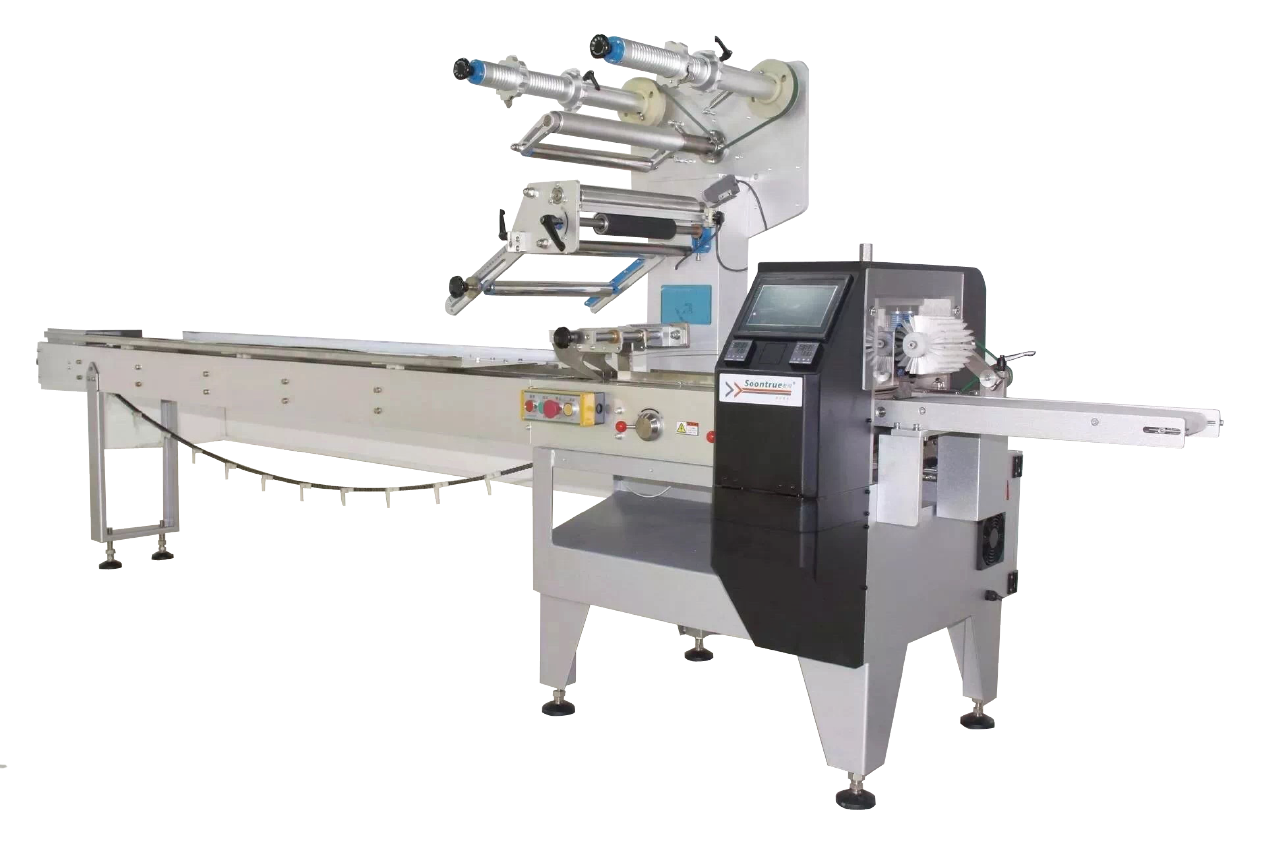
The four conveyor types
A belt conveyor uses a continuous fabric or plastic belt on a slider bed; it carries almost anything, including loose or irregular products. A roller conveyor uses free-running or driven rollers; it carries rigid flat-bottomed items like cases, totes and pallets. A modular plastic conveyor uses interlocking plastic links on sprockets; it is washdown-resistant, can turn and incline, and handles wet or oily products. A side-grip conveyor uses two belts that grip the product by its sides — used for inverting, elevating or passing product through a rinser without touching the bottom. They are not interchangeable, and mixing them up is the most common conveyor mistake.
| Belt | Roller | Modular plastic | Side-grip | |
|---|---|---|---|---|
| Best product | Loose, irregular, soft items | Rigid flat-bottom cases, totes | Wet, oily, food-grade products | Bottles, cans through rinsers/inverters |
| Speed | Medium–high | High (gravity or driven) | Medium–high | High (line speed) |
| Washdown | Poor (fabric holds water) | Good (stainless options) | Excellent (plastic, IP65) | Good |
| Turns/incline | Limited | Limited | Yes (curves, inclines) | Yes (elevators, inverters) |
| Relative cost | Lowest | Low–medium | Highest | Medium |
| Maintenance | Belt replacement, tracking | Roller bearings | Link replacement, sprockets | Belt tension, grip wear |
| Best for | General transport, accumulation | Case and pallet handling | Food, pharma, wet environments | Bottle rinsing, inversion, elevation |
Belt conveyor: the default, with limits
The belt conveyor is the workhorse. It carries almost anything — bags, pouches, cartons, loose parts — and it is the cheapest per meter. The limits: fabric belts do not wash down well (they hold water and bacteria), they slip on inclines, and they do not turn easily. For a dry, ambient environment moving cartons between machines, a belt conveyor is correct. For a food line that gets hosed down every shift, a fabric belt is the wrong choice — switch to modular plastic. SunAura specifies belt conveyors for dry end-of-line sections and between dry machines, and modular plastic for the wet filling and rinsing sections.
Roller conveyor: for rigid flat-bottomed items
Roller conveyors are for cases, totes, pallets and anything with a flat rigid bottom. Gravity roller conveyors move cases on a decline; driven roller conveyors move them on a level. They are cheap, they last, and they handle heavy loads. The rule: if the product does not have a flat rigid bottom, it will not roll. Bags, pouches, bottles standing on their own, and irregular items will fall between the rollers or tip. Use roller conveyors for case handling and pallet transport, and use belt or modular for the product itself. A common mistake: running bottles on a roller conveyor between the filler and the capper — the bottles tip. Use a belt or table-top chain for bottles.
Modular plastic conveyor: the food and washdown choice
Modular plastic belting is made of interlocking plastic links driven by sprockets. It is the most expensive conveyor type, but it is the only one that survives a daily washdown. It does not absorb water, it resists oils and chemicals, it can curve and incline, and damaged sections can be replaced link by link. For food, pharma and wet environments, modular plastic is the default. It is also the right choice for products that need to be carried through a heated or cooled section, because plastic handles temperatures fabric cannot. The downside: cost and noise. For a dry ambient line, modular plastic is overkill. SunAura specifies modular plastic in the wet zone (filler, rinser, washer) and belt in the dry zone.
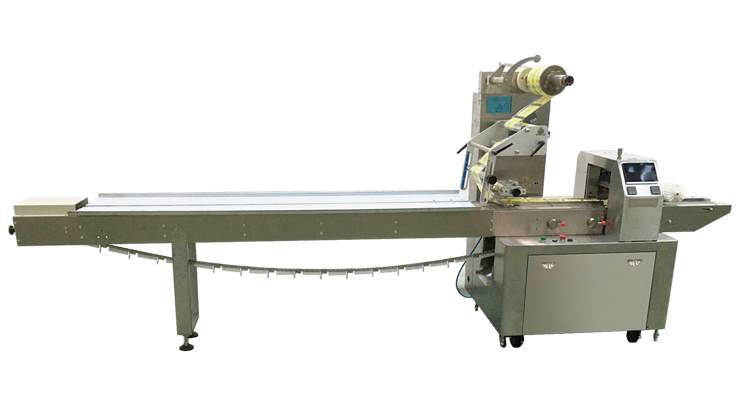
Side-grip conveyor: for bottles and cans
Side-grip conveyors use two belts that grip the product by its sides. They are used for: bottle rinsing (the bottle is held by the neck and inverted over a drain), bottle elevation (bottles are lifted by the sides to a higher machine), and product inversion (flipping cases or bottles without touching the bottom). Side-grip conveyors are essential on high-speed beverage lines — they let the bottle pass through a rinser upside down without a starwheel. They are not general-purpose conveyors; they are a specialized application. If you need to rinse, invert or elevate bottles, you need side-grip. If you just need to move bottles from A to B, a belt or table-top chain is cheaper.
Accumulation: the conveyor feature nobody asks for
Every line needs accumulation: a section of conveyor that holds product when a downstream machine stops, so the upstream machine does not have to stop too. A simple belt conveyor does not accumulate — product backs up and jams. A roller conveyor with zero-pressure accumulation zones (controlled by sensors and pneumatic stops) lets cases queue without pressing on each other. For a packaging line, ask for an accumulation table or zone between the filler and the case packer. Without it, every case packer stop becomes a line stop. SunAura sizes accumulation to the machine’s longest expected downtime (typically 2–5 minutes of product), so the line keeps running through short changeovers and minor jams.
Table-top chain vs flat belt: the bottle-handling detail
Between the filler and the capper, bottles cannot ride on a flat belt — they tip, they slip, and they lose orientation. The standard answer is a table-top chain: a stainless or plastic single-width chain that carries bottles upright on a narrow track. Table-top chains can curve, incline and accumulate, and they are the default for bottle handling between machines. They are more expensive than a flat belt, but they are the only way to carry upright bottles reliably at line speed. For high-speed beverage lines, a table-top chain with a neck-holding guide is what keeps 1,200 bottles a minute upright. SunAura specifies table-top chain in the bottle handling zone and flat belt for product handling between the case packer and the palletizer.
Noise, guarding and safety
Conveyors are the noisiest part of a packaging line — plastic links on sprockets, rollers spinning, and drives humming. Food-grade and pharma lines need guarding to meet CE and OSHA standards: interlocked covers, nip-point guards, and emergency stops every few meters. When you quote conveyors, ask whether guarding and e-stops are included. A bare conveyor without guards is a safety violation waiting to happen, and the guarding is not free. SunAura ships fully guarded, CE-compliant conveyors with cable-pull e-stops and interlocked access panels, so the line passes inspection on day one.
What not to buy
Do not buy a fabric belt conveyor for a washdown food line — it will hold water and grow mold. Do not buy a roller conveyor for bottles or bags — they will tip and jam. Do not buy a modular plastic conveyor for a dry ambient line — you will pay 3x for features you do not use. Do not buy a side-grip conveyor for general transport — it is a specialized rinser/inverter, not a mover. And do not buy the conveyor from a different supplier than the line: the interfaces between machines (height, speed, handoff) are where integration fails. SunAura supplies the whole line including conveyors, so the handoffs are guaranteed.
Speed matching and line balancing
Conveyor speed has to match the slowest machine on the line. If the filler runs 100 BPM and the case packer runs 80, the conveyor between them has to accumulate 20 BPM of product. If the conveyor runs too fast, products gap or collide; too slow, and they pile up. Modern lines use variable-frequency drives and encoders so the conveyor speed follows the upstream machine. When you compare conveyor quotes, ask about the drive system: a fixed-speed motor is cheapest but inflexible; a VFD-controlled motor costs more but lets the line balance. SunAura programs the whole line on one PLC, so the conveyor speeds follow the filler automatically.
Budgeting conveyors
Conveyors are priced by the meter, but the accessories are where the cost hides: side rails, guides, stops, sensors, drives, supports, guards and cleanout doors. A quote for “10 meters of conveyor” without side rails and guides is not a usable line. Ask for the fully equipped conveyor with all guides, drives and supports, and compare that number. Conveyors are 10–20% of a typical packaging line budget — skimping here is a false economy, because the conveyor is where most integration downtime happens.
Sanitation and clean-in-place
Food and pharma conveyors need to survive washdown. A fabric belt cannot be hosed — it absorbs water, grows mold, and fails audit. A modular plastic belt can be washed down with IP65 drives and stainless framing. For dairy, meat and ready-meal lines, specify 304 or 316 stainless, open framing (no horizontal ledges where water pools), and motors rated for washdown. The extra cost of sanitary design is paid back in audit compliance and reduced cleaning time. A dry industrial line does not need it — painted steel and a plain motor are fine. Match the sanitation level to your product’s audit requirements, not to a default spec sheet.
Spare parts and downtime
Conveyor spares are where lines get stuck when something breaks. Belts are cut to length and need a splicing tool; modular plastic links are stocked by the row; roller bearings are standard. When you buy a line, ask for the recommended spare parts list — belts, links, bearings, sensors — and keep them on site. A line that stops because a $50 belt broke and the plant has to wait two weeks for a replacement is an expensive day. SunAura ships a starter spare parts kit with every conveyor system, so the first year of operation does not depend on international shipping for consumables.
FAQ
Can I use one conveyor type for the whole line?
No. Lines almost always use a mix: modular plastic in the wet zone, belt in the dry zone, roller for cases, side-grip for rinsing. Design each section for its product.
How long should the accumulation table be?
Typically 2–5 minutes of production at line speed, enough to absorb a downstream machine stop without halting the upstream.
Is stainless steel worth the premium?
For food, pharma and washdown environments, yes. For dry ambient industrial lines, painted steel is fine and cheaper.
Can I add conveyor later?
Yes, but matching the existing drive and controls is easier if the line was designed for expansion. Ask for modular sections and spare VFD capacity.
Summary
Belt for dry general transport; roller for rigid flat-bottom cases; modular plastic for washdown and food; side-grip for rinsing, inverting and elevating bottles; table-top chain for upright bottle handling. Match each conveyor section to its product and environment, size it 10–15% faster than the machine it feeds, and include accumulation, guarding and spares in the quote. Send us your product, line layout and washdown requirement and we will spec the right conveyor system — and tell you if a cheaper option will do.
Related reading
- Shrink bundler vs tray pack vs wrap-around case for water
- Rotary vs linear bottle unscrambler for sauce co-packers