
October 12, 2026 | by Frank, SunAuraura Machinery Sales Engineering
When you need a new packaging machine, the sticker price on a new one can give you pause. A mid-range flow wrapper might be $25,000–$45,000. A used one from a broker? Maybe $10,000–$18,000. The gap is big enough to make any production manager wonder: am I overpaying for new, or am I saving money on used?
After selling both new machines and parts for used equipment for 15 years, we’ve seen buyers make both the smart call and the expensive mistake. This guide breaks down when used makes financial sense, when new is the cheaper option over time, and what to check if you’re seriously considering a pre-owned machine.
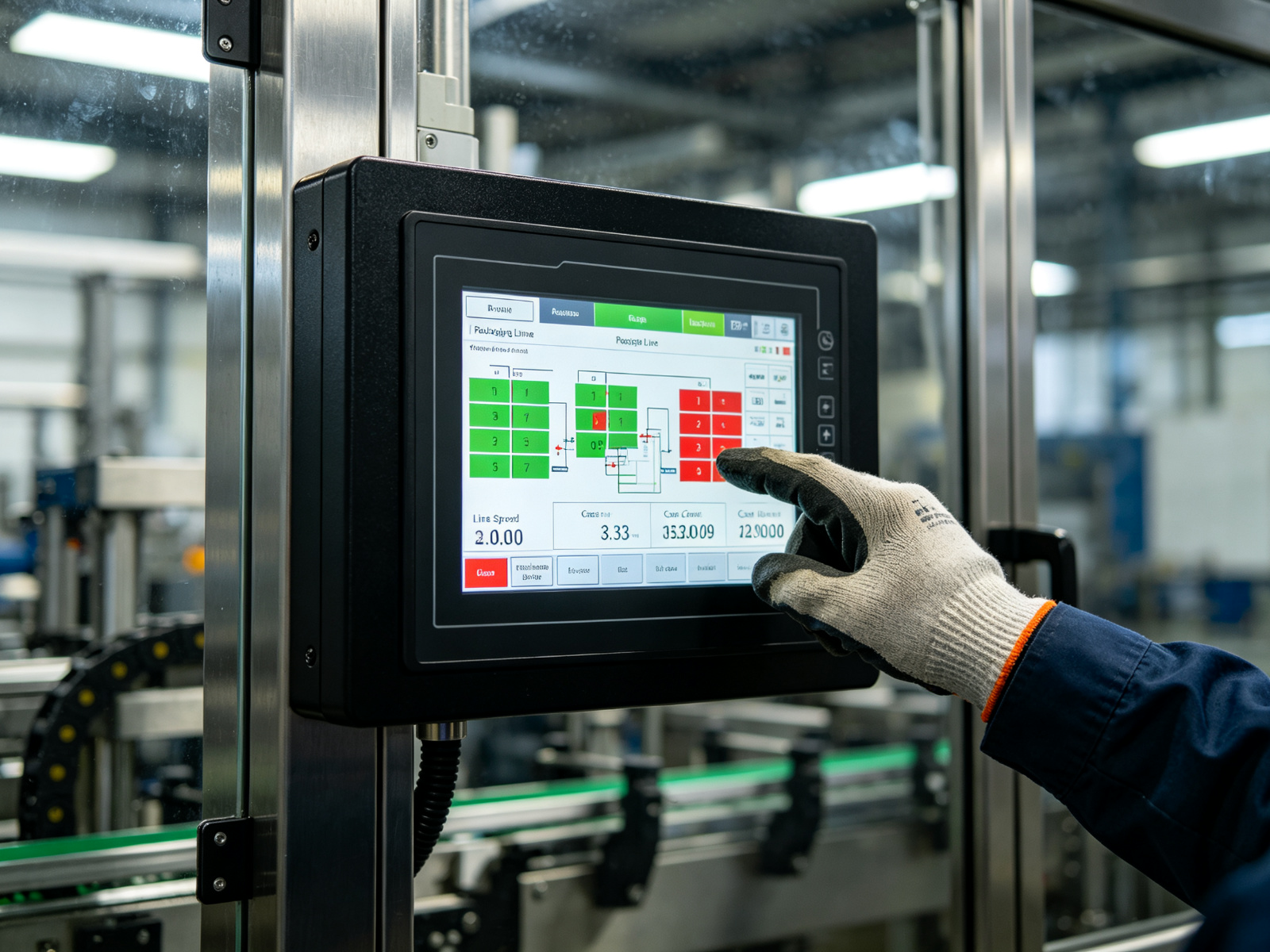
The new versus used decision applies equally to liquid filling equipment: a rebuilt used filler saves on price but carries the giveaway risk covered in the bottled water filling line delivery published today, where the accuracy gap drove a new-machine decision.
The Price Gap: Is It Real?
Let’s start with the numbers. For a comparable machine — say, a horizontal flow wrapper doing 60–80 packs/minute — here’s what you can expect:
| Cost Factor | New (Chinese-built) | Used (refurbished broker) |
|---|---|---|
| Purchase price | $25,000–$45,000 | $10,000–$20,000 |
| Warranty | 12 months, parts and support | 0–30 days, as-is |
| Lead time | 25–35 days | Immediate |
| Spare parts availability | 10+ years from manufacturer | Uncertain; depends on OEM still supporting |
| Energy efficiency | Servo-driven, 30–50% less energy | Mechanical, higher energy draw |
| CE / safety compliance | Current CE directive | May not meet current EU standards |
| Expected remaining life | 12–15 years | 3–8 years (depends on age) |
The upfront price gap is real: used costs 40–60% less. But the total cost of ownership picture is more nuanced. Let’s walk through the scenarios.
When Used Makes Sense
Seasonal or short-run production
If you need packaging capacity for 3–6 months a year — seasonal snack production, holiday gift sets, a product line you’re testing — a used machine that you can sell after the season may be the rational call. Buying new and selling a used machine after 6 months means taking a 30–40% depreciation hit. Buying used and reselling it means you take a much smaller depreciation hit because the first owner already absorbed the big drop.
Budget-constrained startups
If you’re a new brand with a proven product but limited capital, a 5-year-old used wrapper can get you into production while you prove volume. The key is buying a machine from a manufacturer that still supports parts — not an orphan brand nobody has heard of.
Backup / overflow capacity
If you have a primary production line that runs 90% of the time and you need a backup for peak season or breakdown cover, a used machine that runs once a month doesn’t need to be new. You’re paying for insurance, not efficiency.
When New Is Actually Cheaper
High-volume, multi-shift operation
If your line runs 24/7 on three shifts, the energy savings of a servo-driven new machine and the reliability of a fresh warranty matter more than upfront price. A used mechanical machine that breaks down twice a quarter costs you $5,000–$10,000 per unplanned downtime event. Add up three or four events and you’ve erased the purchase price difference.
Export to regulated markets (EU, US, Australia)
If you’re packaging for EU retailers, your machine needs to meet current CE safety standards. A 10-year-old used machine may not — and retrofitting it to current standards can cost as much as buying new. Food safety audits also favor machines with modern washdown design and 304/316 stainless construction.
When parts support matters
This is the hidden trap of used equipment. If the OEM went out of business, changed their design, or stopped supporting that model, every broken sensor, seal or circuit board becomes a custom fabrication job. We’ve seen buyers pay $15,000 for a used wrapper then spend $8,000 in one-off parts over the next two years because the manufacturer had discontinued the control board.
What to Check If You Buy Used
If you’ve decided used is the right call for your operation, here’s the inspection checklist that separates a good deal from a money pit:
- Who made it? Buy used machines from manufacturers you recognize and that still support parts. Avoid no-name brands from auction listings.
- How many hours has it run? Ask for the hour meter reading. A wrapper that’s run 40,000 hours has another 50,000 ahead. One that’s run 80,000 hours is near end-of-life.
- Can you test it under power? Never buy a used machine sight-unseen. Have the broker run it with film and product for at least 30 minutes. Watch for: film tracking consistency, seal temperature stability, and unusual noises from the gearbox.
- What’s the control system? If it has a modern PLC/HMI (post-2015), parts are available. If it’s relay logic or an obsolete controller (Siemens S5, old Allen-Bradley), budget for a control retrofit — that’s $5,000–$10,000.
- Does it have a CE plate? For EU import, the machine needs a current CE declaration. If the broker can’t produce it, factor in the cost of a third-party CE assessment.
- What’s the return policy? Buy from a broker who offers a 7–14-day trial period. Buyers who pay upfront for unseen used equipment are the ones who get burned.
The Middle Path: New Chinese-Built vs Used European
This is the comparison most buyers actually face: a 10-year-old used European machine (KHS, Bosch, Sig) priced at $30,000–$50,000, vs a brand-new Chinese-built machine from a reputable manufacturer at $25,000–$40,000. The European nameplate has cachet, but the Chinese machine has a warranty, servo drive, and current CE compliance.
For most buyers under 100 packs/minute, the new Chinese machine wins on total cost of ownership. The European used machine’s remaining service life is shorter, parts are expensive and slow to ship, and you’re buying technology from a decade ago. Our factory audit guide explains how to verify a Chinese manufacturer is the real deal.
Weighing new vs used for your next packaging machine? Send us your throughput requirements, product type and budget through the contact page — we’ll give you an honest recommendation even if it means suggesting you buy used. Browse our new machine range and integrated lines for pricing, and see our warranty terms guide for what new includes.
The bottom line: used packaging equipment can be the right call for seasonal, startup, or backup use cases — but for high-volume, regulated, multi-shift production, a new machine from a reputable manufacturer is almost always cheaper over five years. Buy used with your eyes open, or buy new with a warranty. Just don’t buy used because the sticker price looks cheap without doing the math.