
Stick Pack vs Sachet vs Pillow Bag: Why a Single-Serve Supplement Brand Rejected a One-Format Line
The brand started with one successful instant electrolyte powder and a simple plan: put every future single-serve product into the same narrow format to avoid carrying two machines. The plan lasted until the range expanded to a honey-based liquid, a gel sample and a sharing-size snack, and the team discovered that the slim pack that poured a powder perfectly into a water bottle was the worst possible shape for a viscous gel and far too small for a multi-serve portion. The decision they faced is the one every single-serve packer meets: which flexible format actually fits the product, the filling method and the way the consumer uses it, rather than which one looks the most modern on the shelf. This article turns that decision into a selection guide comparing stick packs, sachets and pillow bags, where each one earns its place, and where standardising on a single format is a quietly expensive mistake.
At SunAura Machinery we supply the form-fill-seal and weighing equipment behind these formats, and the honest framing is that stick packs, sachets and pillow bags are not three sizes of one thing. They use different seal structures, run on different machine configurations, and assume different things about the product’s flow, the dose and the consumer’s opening and pouring experience. The right choice is set by the product and the use occasion, and treating a format decision as a packaging-styling exercise rather than a production and procurement decision is how brands end up with a line that cannot make half the portfolio.
What Each Format Actually Is
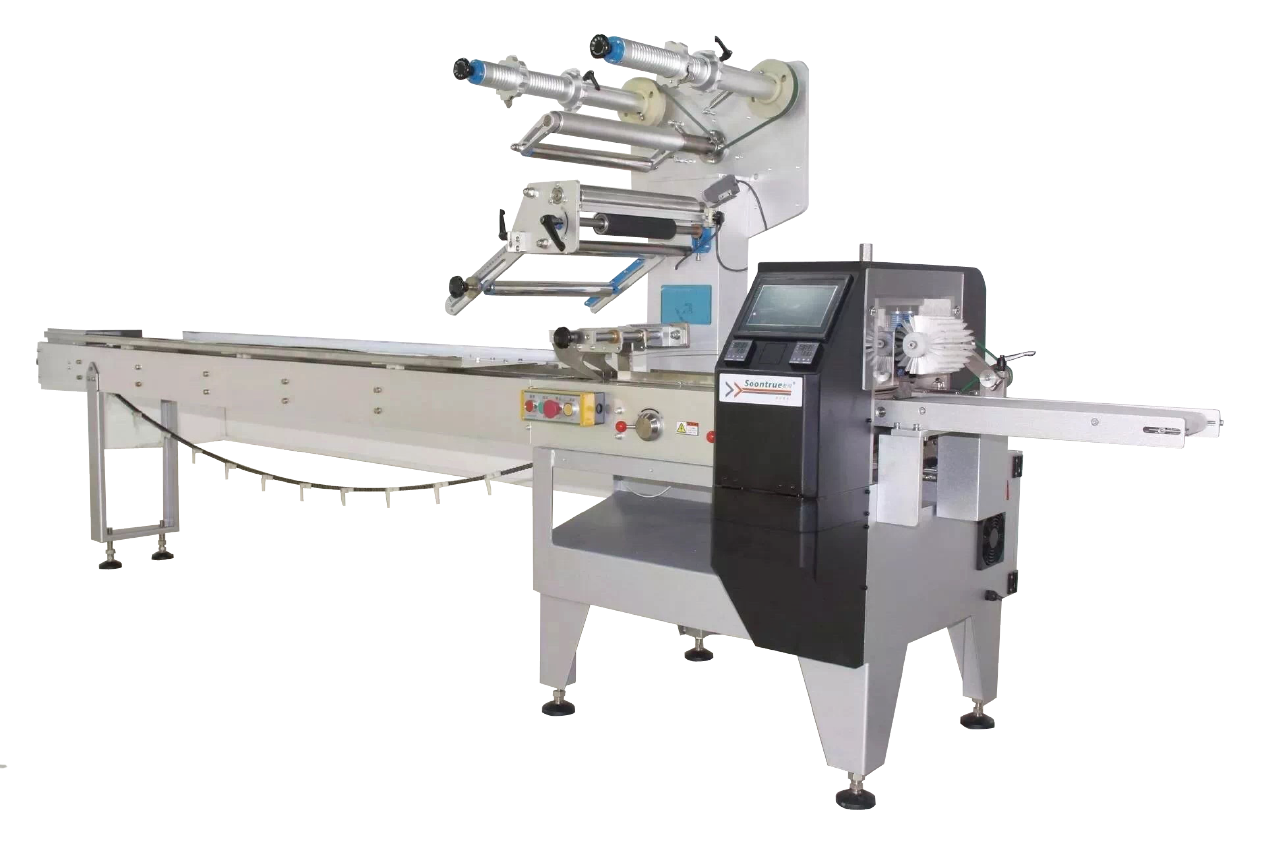
A stick pack is a narrow, elongated tube with a center seal running down the back and a seal across each end, with a length-to-width ratio typically between five and twelve to one. It is the dominant format for single-serve powders and granules — instant coffee, sugar, electrolyte and protein powders, supplement and pharmaceutical powders — because the narrow tube pours cleanly and precisely into a bottle neck or cup without spilling, and the slim shape fits pockets and small spaces and displays vertically in a box. A sachet is a small, flat pack sealed on three or four sides. The three-side seal uses a folded bottom and seals the two sides and the top, while the four-side seal joins all four edges and gives a wider flat face that can carry different artwork on the front and back. Sachets are the versatile single-serve format for liquids, gels, creams, sauces and samples, because the flat pack encloses the product fully and the wider opening tolerates products that will not flow through a narrow tube. A pillow bag is the larger, bulging pack formed from roll film with a center back seam and two cross seals, taking its characteristic puffed shape after filling. It is built for bigger doses — snacks, bulk powders, granules, frozen products and multi-serve portions — where the product needs volume that a flat single-serve pack cannot provide.
The Decision Dimensions: Product, Dose and Pour
The product’s physical form separates the three formats first. Powders and granules that flow freely and are dosed in small amounts point to the stick pack, whose narrow tube gives a controlled, accurate pour and a premium, contemporary presentation. The same narrow geometry is exactly why a viscous liquid or gel does not belong in a stick pack: it will not dispense cleanly through the narrow opening and leaves product trapped inside. Thin liquids, gels, creams and sauces point to the sachet, where the wider pack and opening handle the product and the four-side version gives a flat face for detailed artwork and larger fill weights. Anything beyond the single-serve range, or a product that needs a bulging volume such as a snack or a frozen item, points to the pillow bag. The brand’s electrolyte powder was a natural stick pack, but the honey liquid and gel belonged in sachets and the sharing snack in a pillow bag, which is why the one-format plan could not survive the product range.
The dose ranges reinforce the same boundaries. Industry sourcing guides place stick packs at roughly half a gram to fifteen grams for powders and around one to twenty millilitres for thin liquids, three-side sachets at roughly one to thirty units, four-side sachets up to around a hundred, and pillow bags from about twenty grams up to several hundred. These are indicative ranges rather than hard limits, but they show why a single format cannot cover a portfolio that spans a two-gram powder and a multi-serve snack. The fill also has to leave headspace, especially for liquids, which need roughly fifteen to twenty-five percent of the fill volume as headspace to absorb seal pressure and altitude changes; skipping headspace is the common dimensioning error that produces blown seals on the line.
Material Use, Seal Width and the Sustainability Argument
The stick pack carries a genuine material advantage for the products it suits, because the narrow center-seal tube is the most film-efficient structure for small doses and published supply-chain estimates put its packaging use at roughly a quarter to a third less per unit volume than an equivalent sachet. That advantage is real but specific to the format; it does not make a stick pack suitable for a product it cannot dispense. The seal width is a specification rather than a default, with typical sachet seals running around four to eight millimetres: wider seals improve integrity but consume film, and on a small pack moving from a five to an eight millimetre seal can add around ten percent more film per unit, a genuine line item across a run of millions. Three-side seals use less film than four-side because the fold replaces a seal, while four-side earns its extra material when duplex artwork or a wide flat face is needed. The responsible approach is to validate the minimum reliable seal width on the machine rather than inherit an oversized allowance, and to match the film barrier to the actual shelf-life target rather than over-specify foil the product never uses.
Machine Configuration, Lanes and Output
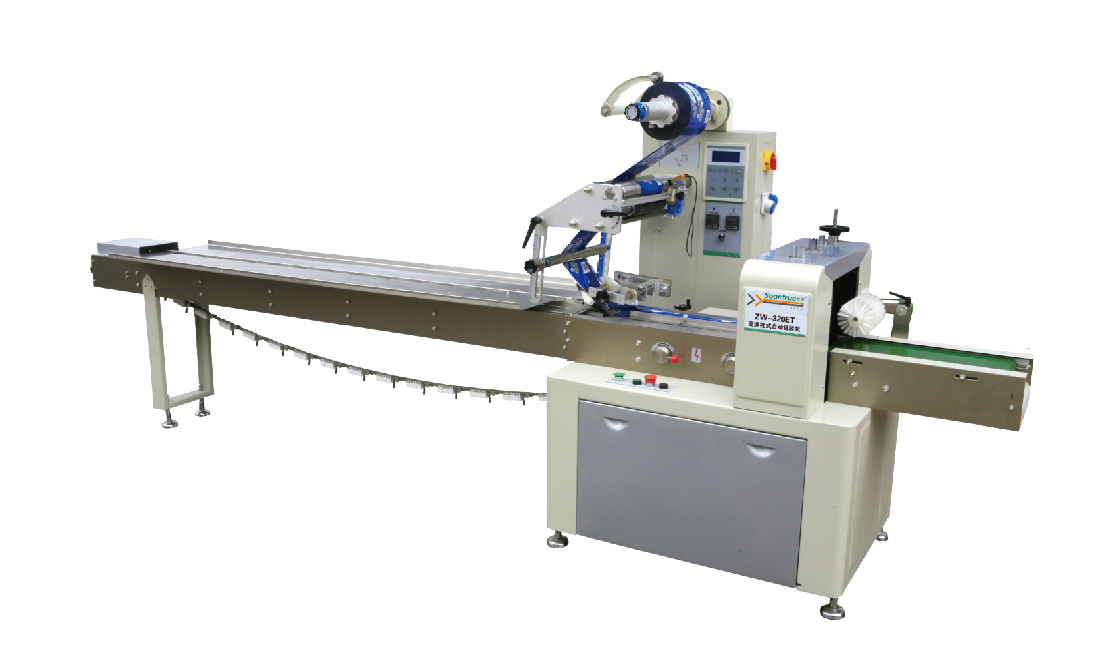
All three formats are made from roll film on form-fill-seal machines, but the machine and tooling differ. Stick packs and sachets are typically produced on multi-lane machines that run several packs across a wide web, where the lane count multiplies output linearly but demands tight registration and slitting tolerance, because a web running slightly narrow compounds across every lane and pushes the outer packs out of position. Forming tubes are width-specific tooling, so a width change is a real changeover, and the tall multi-lane machines need ceiling height for the reel and hopper. Pillow bags run on single-lane vertical or horizontal machines with lower tooling complexity and a smaller footprint, suited to the larger doses. The practical procurement point is that a plant spanning all three formats is really committing to more than one machine configuration, and the changeover time and tooling for the complete line have to be specified, not just the headline speed. Where the product must be reclosed or needs a rigid shelf presence, a mini bottle with an induction or screw closure is the alternative, but it carries the highest tooling investment and is not a flexible-format decision at all.
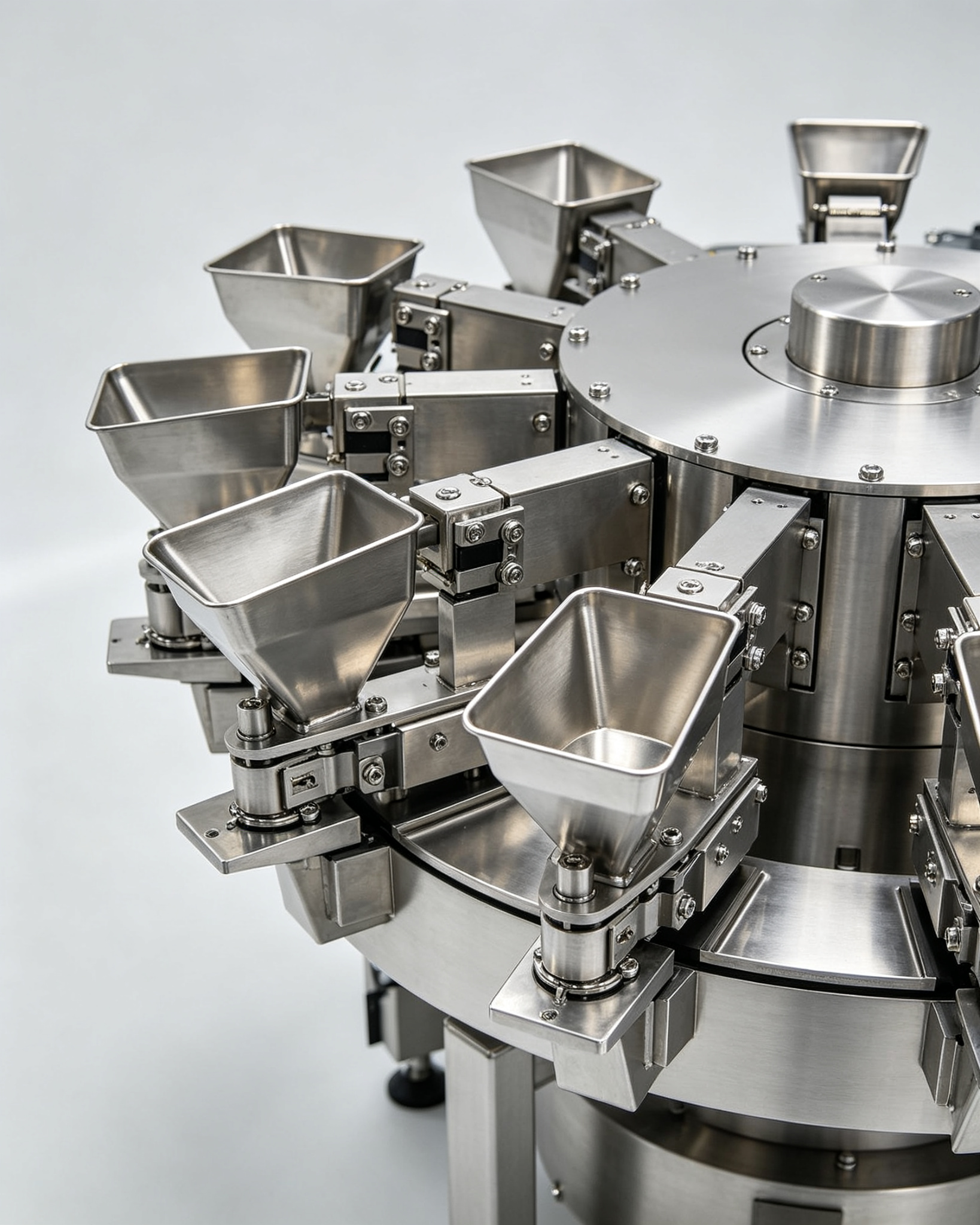
The dosing upstream has to be matched to the format, and the pillow and form-fill-seal packaging machines rely on accurate, timed portions that often come from the multihead weighing equipment for snacks and granules. Rigid tray alternatives are produced on the thermoforming equipment, and for liquid products that stay in bottles rather than flexible packs, the liquid filling machines handle the dosing that the seal then protects.
Selection Table: The Three Flexible Formats Compared
| Dimension | Stick pack | Sachet (3 / 4 side) | Pillow bag |
|---|---|---|---|
| Shape and seal | Narrow tube, center back seal | Flat, three or four sealed edges | Bulging, center seam plus cross seals |
| Typical fill | 0.5–15 g / 1–20 ml | 1–100 units depending on seal | 20–500 g and larger |
| Best products | Powders, granules, thin liquids | Liquids, gels, creams, samples | Snacks, bulk, frozen, multi-serve |
| Pour / dispense | Clean, precise into narrow necks | Tear or peel, wider opening | Opened for bulk contents |
| Material use | Lowest; efficient narrow tube | Moderate; four-side uses more | Higher with the larger dose |
| Machine format | Multi-lane, width-specific tooling | Multi-lane, flat web | Single-lane VFFS or HFFS |
| Changeover | Slower; forming tube per width | Moderate; forming plate and jaws | Lower to moderate |
| Shelf presentation | Premium, vertical box display | Flat, wide artwork face | Bulging, volume on shelf |
| Typical industries | Supplements, coffee, pharma powders | Cosmetics, sauces, samples, masks | Snacks, frozen, pet food, bulk |
When Not to Choose Each Format
Do not put a viscous liquid or gel into a stick pack, because the narrow opening will not dispense it and leaves product trapped, and do not use a stick pack for a dose beyond its small single-serve range. Do not choose a flat sachet for a bulging snack or a product that needs volume, because the flat pack cannot hold the shape, and do not pay for four-side seals and wide artwork when a three-side fold carries the product with less film. Do not use a pillow bag for a tiny single-serve powder where the bulky pack wastes material and loses the precise pour and premium presentation that a stick pack gives. Finally, do not commit to a single format across a mixed portfolio on the assumption that one machine simplifies the operation: the brand’s powder, gel and snack genuinely required different structures, and carrying the matching configurations was cheaper than forcing products into a format that dispensed poorly or over-used film. Where a flexible format genuinely cannot deliver reclosure or a rigid shelf presence, the honest recommendation is to move to a rigid bottle or tray rather than compromise the pack.
Frequently Asked Questions
What is the difference between a stick pack and a sachet?
A stick pack is a narrow center-seal tube with a high length-to-width ratio that pours powders cleanly into narrow openings, while a sachet is a flat three or four-side sealed pack with a wider opening that handles liquids, gels and creams. The stick pack is the powder specialist; the sachet is the versatile flat format.
Can a stick pack hold a liquid or gel?
Thin free-flowing liquids can be packed in stick formats, but viscous gels and thick liquids dispense poorly through the narrow opening and are better placed in a wider sachet. The narrow geometry that makes the powder pour precise is what works against a thick product.
Which format uses the least packaging material?
For the small doses it suits, the stick pack’s narrow center-seal tube is the most film-efficient, with published estimates around a quarter to a third less material than an equivalent sachet. The comparison only holds for matching products; a larger dose still needs a sachet or pillow bag.
Why does a multi-lane machine need tight web tolerances?
Because a small width error compounds across every lane and pushes the outer packs out of the cutting and sealing position, producing rejects at high output. Specifying slitting tolerance and registration is part of running a multi-lane sachet or stick line, whereas a single-lane pillow machine is less exposed to cumulative error.
Summary: Match the Format to the Product and the Use Occasion
Choose a stick pack for free-flowing single-serve powders and thin liquids where a clean precise pour, premium vertical presentation and low material use matter, and keep thick gels out of the narrow tube. Choose a flat sachet for liquids, gels, creams and samples that need a wider opening and a wide artwork face, using the three-side seal for film economy and the four-side for duplex work. Choose a pillow bag for snacks, bulk and frozen products that need volume beyond the single-serve range. The correct format is the one matched to the real product flow, dose, dispense method and shelf presentation, and a portfolio that spans all three genuinely needs more than one configuration rather than a forced single standard.
The format decision sits alongside the other choices on the line. If you are deciding how the product is moved before it reaches the pack, see how to choose between peristaltic, gear and magnetic pump filling, and for products that stay in bottles, compare bottom-up, top-fill and overflow nozzles. If you want the format and machine selected against your real products, doses and speeds rather than a generic recommendation, send us your samples and pack list and we will confirm the configuration, line speed and compatibility — contact SunAura Machinery to start the review.
Source Material
This article was developed from, and reorganizes, published flexible-packaging and sourcing material covering pouch and sachet types, stick-pack geometry and seal structure, typical fill ranges and machine speeds, headspace and seal-width dimensioning, multi-lane output and registration, and material-use comparisons. The figures cited are treated as indicative published ranges and estimates rather than exact guarantees; actual fill, speed and material performance must be validated on the specific product, film and machine configuration.