
What the Expanded 2-in-1 Unit Covers
SunAura has expanded its small-bottle filling and capping 2-in-1 unit range for producers filling low-viscosity liquids, drops, reagents and oral liquids into small bottles and vials under roughly 250 mL. The unit combines a dosing station and a capping station on one compact frame, so a single machine handles fill, cap placement and closure rather than running a separate filler and capper joined by a long conveyor. It sits alongside our standard bottle and jar fillers for plants that need a short footprint, a small labor footprint and fast changeover between small formats.
Why a 2-in-1 Monoblock Fits Small-Bottle Production
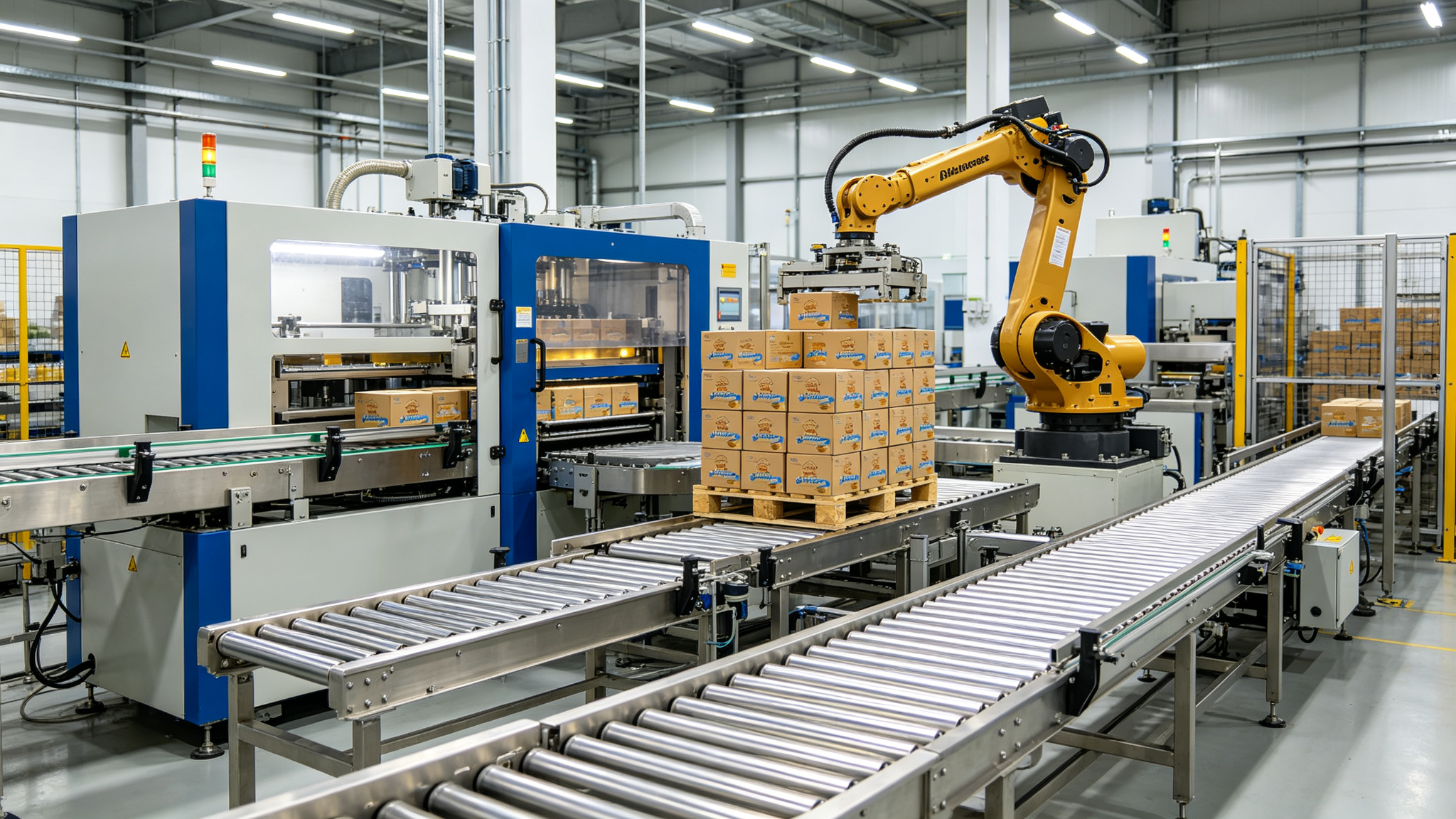
On a full inline line, bottles are fed through a filler, travel along a conveyor, then reach a separate capper. That layout makes sense at high volume with many bottle formats, but for small bottles running at moderate speed, the conveyor gap adds floor space, bottle-handling complications and a second machine to set up and maintain. A 2-in-1 unit brings the filler and capper onto one shared frame, where a turret or transfer starwheel moves each bottle directly from filling to capping. The advantage is a shorter machine, fewer bottles to handle between stations, and a simpler setup for a product that does not justify a long standalone line.
The trade-off matters when comparing options. A monoblock 2-in-1 concentrates two functions in one frame, which limits how much headroom you have to scale each station independently; if filling and capping speeds diverge as the product mix changes, an inline arrangement can be easier to expand one machine at a time. The comparison below summarizes the two approaches for small-bottle work.
| Layout | How bottles move | Typical speed fit | Floor space | Best fit | Limitations |
|---|---|---|---|---|---|
| 2-in-1 monoblock unit | Shared frame; transfer starwheel or turret moves bottle from filler to capper | Low to medium volume, small bottles and vials; moderate bottles per minute | Short footprint; one machine footprint | Small brands, co-packers, drops, reagents, oral liquids, frequent format changeover, limited floor space | Less room to scale filler and capper separately; each station sized together at purchase |
| Separate inline filler + capper | Filler → conveyor → independent capper, balanced for line speed | Medium to high volume; stations can be sized independently | Longer conveyor and two machine footprints | High-volume stable formats, plants that may add stations or change machines later | More floor space, more bottle handling between machines, higher setup and maintenance overhead |
Product and Closure Range on the New Range
The expanded units cover small plastic and glass bottles and vials common to cosmetics drops, eye and ear drops, floral waters, alcohol and reagent liquids, and oral-liquid formats. Dosing is matched to the product: thin, free-flowing liquids use a magnetic-pump or gravity feed, while slightly thicker or semi-viscous fills use a piston or positive-displacement cylinder. Closures covered include screw caps, press-on closures and crimp-type vial seals, with the capping head and feed matched to the closure type during specification.
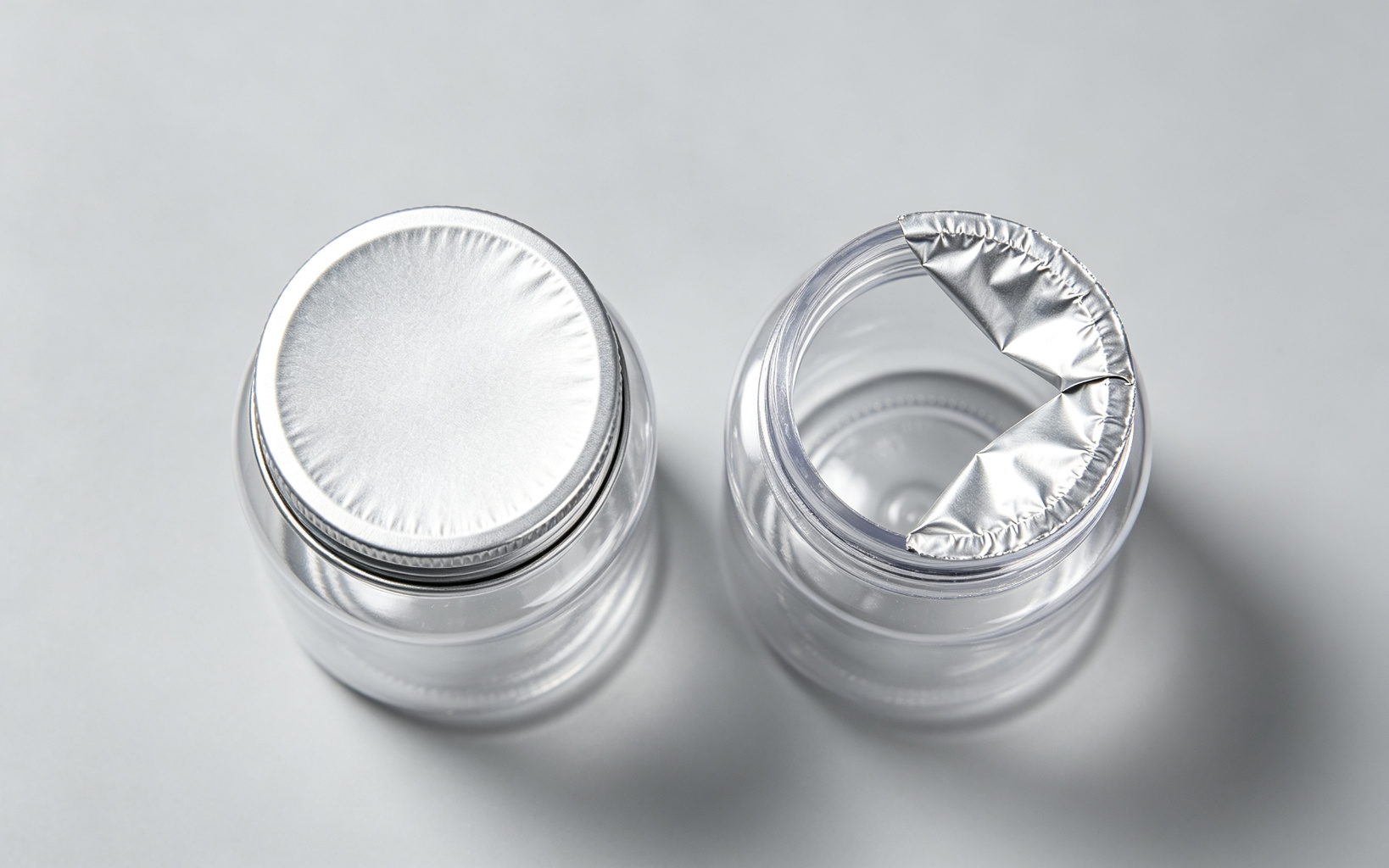
For eye drops, reagents and other products where dripping, foam or cross-contamination matters, the nozzle can be specified with back-suction or drip-cut, and wetted contact parts selected to match product compatibility. Oral-liquid and crimp formats use a dedicated sealing or crimping station rather than a screw spindle, so the closure method should be confirmed before the unit is quoted.
Who Should Specify a 2-in-1 Unit, and Who Should Look Elsewhere
This range fits producers and co-packers that fill small bottles or vials at low to medium speed, change formats often, or have a limited machine room. It pairs with our liquid filling machines for the broader bottle side of the plant and can connect to labeling and inspection stations as the line grows. Relevant configurations include the small-bottle fill-cap 2-in-1 unit, the magnetic-pump filler for drops and alcohol liquids, the oral-liquid filling and crimping machine, and the reagent testing-tube fill-cap unit.
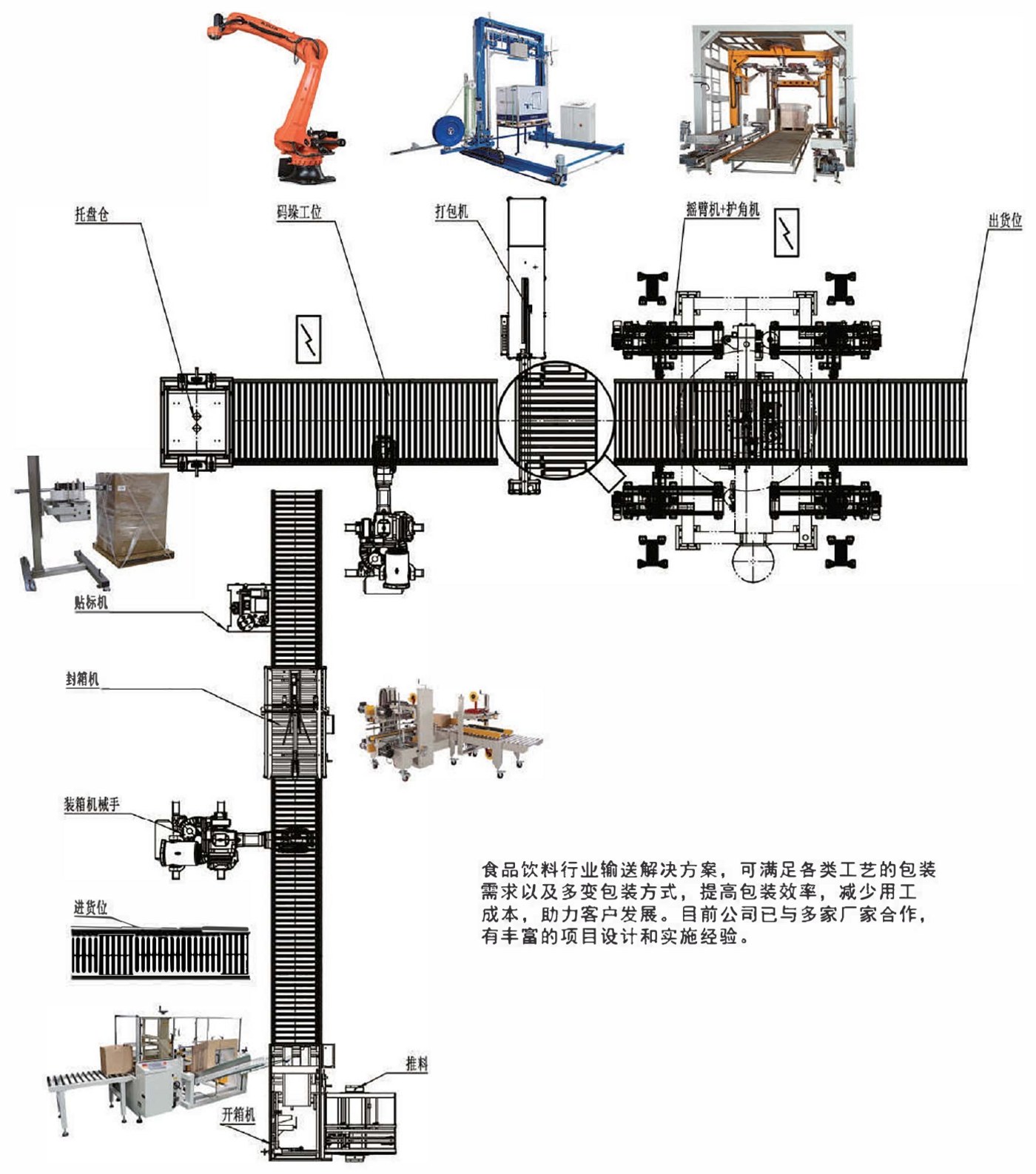
If your product runs at high volume in one stable bottle and closure format, a dedicated inline filler and capper gives each station more independent headroom. If you move into large pails, drums or wide-mouth jars, a separate large-container filler rather than this small-bottle unit is the correct base machine.
Next Step
Send your bottle and vial dimensions, closure type, product viscosity at filling temperature, target fill volume and accuracy, and bottles per minute. Our engineers will confirm the dosing method, closure head and whether a 2-in-1 unit or an inline split layout matches your output and floor space. You can review our certifications and build standards, see the workshop on site, or reach the team through the contact page.
Request a small-bottle 2-in-1 filling-capping quote. Email [email protected] or WhatsApp +86 136 4542 9121 with your bottle size, closure, viscosity and target output.