304 vs 316 Stainless Steel and IP69K Washdown: Choosing Hygienic Packaging Machine Construction
If you are specifying a filling, capping, or labeling line for a wet, salty, or aggressively cleaned production area, you have probably hit the same fork in the road. The sales engineer offers a standard frame at one price, then a “hygienic” version at a noticeable premium, and the difference on the quotation usually boils down to two short codes: 304 versus 316 stainless steel, and an ingress rating such as IP65 versus IP69K. Neither code is marketing fluff, and neither is a reason to spend money you do not need to spend. They describe how the machine will survive the chemistry and the cleaning routine on your floor over the next ten years. This guide separates what each grade and rating actually protects against, where the premium is justified, and where paying for it is a quiet waste of capital.
At SunAura Machinery we build both standard and washdown-rated packaging equipment, and the honest starting point is that the most expensive construction is not automatically the best buy. A dry, ambient warehouse running dry goods on a single shift does not need the same frame as a dairy hall that is hosed down with caustic foam three times a day. The correct answer is set by your environment, not by the brochure.
What Actually Attacks a Machine on Your Floor
Before comparing alloys, it helps to understand what you are defending against. Corrosion and water ingress are two different problems, and they are solved in two different places. Corrosion is a chemical attack on the metal itself. Water ingress is liquid finding its way into bearings, motors, junction boxes, and the control cabinet, where it destroys components even when the outer frame is perfectly fine. A machine can be built entirely from stainless steel and still fail early if its electrical enclosures are only rated for a light splash.
The common culprits in food, beverage, pharmaceutical, and personal-care plants are well known. Chloride is the big one. It arrives in salted products, in brine, in soy and fish sauces, in many process ingredients, and — most destructively — in the chlorinated water and sanitizers used for cleaning. Chloride ions break down the thin passive chromium oxide film that gives stainless steel its ability to self-heal, and once that film is breached in a recurring way, the result is pitting: small, deep holes that concentrate more chloride and accelerate the attack. Add standing moisture, high humidity, acid or alkaline cleaning chemicals, and the abrasive action of high-pressure spray, and a frame that looked immaculate in year one can be weeping rust at the welds by year four.
The Two Alloys: Where 304 and 316 Actually Differ
Both grades are austenitic stainless steels, which means they are non-magnetic in the annealed state, tough at low temperatures, and easy to clean and fabricate. Both contain chromium, which forms the protective oxide layer, and nickel, which stabilizes that layer. The practical difference is a single added element in 316: roughly 2 to 3 percent molybdenum. Molybdenum is what gives 316 its markedly better resistance to chloride-induced pitting and to many chemical solutions. That one addition is the reason 316 carries a price premium and the reason it is specified wherever salt, brine, or harsh washdown chemistry is routine.
Type 304, sometimes called 18/8 for its nominal 18 percent chromium and 8 percent nickel, is the general-purpose workhorse. It handles ordinary atmospheric exposure, fresh water, mild detergents, and the routine cleaning found in dry and low-moisture packaging areas without trouble. It is fully food-contact suitable and is the default for a huge share of food-grade equipment. Where it starts to lose is repeated chloride exposure, prolonged damp, and aggressive sanitizing cycles. In those conditions 304 will pit, usually beginning at weld heat-affected zones, crevices, and any spot where moisture can sit.
Type 316 keeps the same chromium and nickel base and adds molybdenum, which lifts its pitting resistance enough to stand up to salt, brine, coastal humidity, and the stronger cleaning chemicals used in washdown environments. It is the standard choice for marine and coastal sites, dairy and cheese processing, seafood and meat, sauces and pickled products, and pharmaceutical areas where strong disinfectants are used. The trade-off is cost and slightly harder machining and welding, which shows up in the purchase price and in lead time for heavily customized frames.
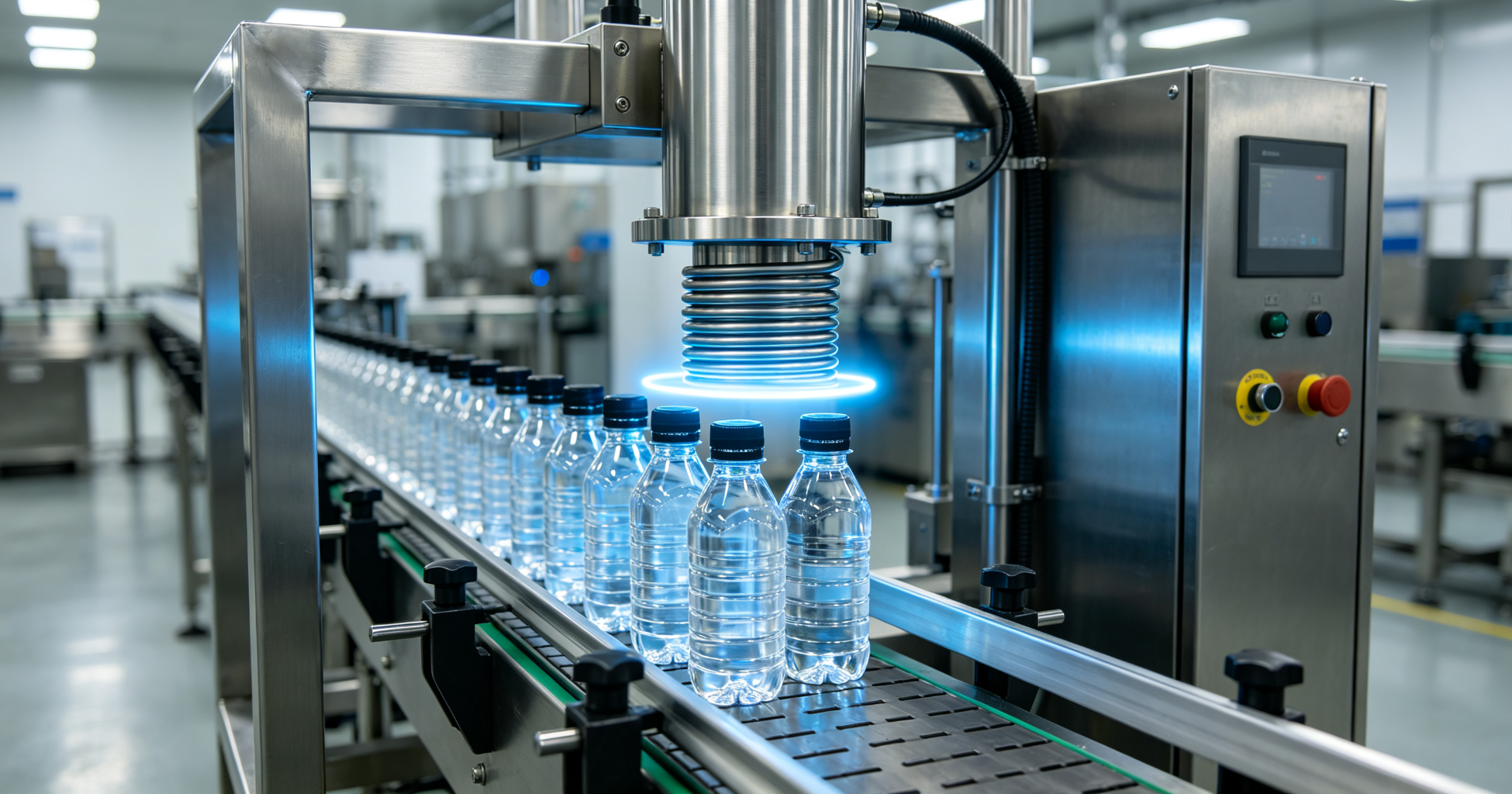
Ingress Ratings: Why IP65 and IP69K Are Not Interchangeable
The alloy protects the frame; the IP code protects everything inside it. The two-digit IP rating describes how well an enclosure keeps solids and liquids out. The first digit covers dust; the second covers water. For packaging machinery the codes that matter most are IP65, IP66, IP67, and IP69K. The leading 6 in each means total protection against dust, which is effectively assumed on any modern industrial enclosure. The difference is the water test.
IP65 is tested against low-pressure water jets from a nozzle and is adequate for general wipe-down and occasional light spray. IP66 withstands more powerful jets. IP67 adds temporary immersion, useful where a floor floods but not the same as a spray-wash rating. IP69K is the rating designed for the most demanding hygiene routine: high-pressure, high-temperature spray at close range from multiple angles, the kind of directed lance work used in meat, dairy, and ready-meal plants. An IP65 enclosure that meets a hot, high-pressure lance will eventually let water past its seals, and the first sign is often a failed motor or a tripped drive weeks after the water actually entered.
This is why the frame and the enclosure rating have to be specified together. A 316 frame fitted with IP65 electricals is a common, expensive mismatch: the metal survives while the components drown. Conversely, IP69K enclosures on a painted carbon-steel frame protect the electrics while the structure slowly corrodes. The hygienic package only works when the alloy, the enclosures, the motors, the connectors, and the cable glands are all rated to the same washdown level.
Selection Table: Construction Options Side by Side
| Dimension | Painted / coated carbon steel | 304 stainless, IP65 | 316 stainless, IP69K washdown |
|---|---|---|---|
| Relative purchase cost | Lowest | Mid | Highest |
| Corrosion resistance | Poor if coating chips; rusts at bare metal | Good in dry / fresh-water settings | Strong against chloride, salt, brine, chemicals |
| Cleaning method supported | Dry wipe, light vacuum | Wipe-down, low-pressure spray | High-pressure, high-temperature foam wash |
| Changeover / tooling impact | No change; coating can be damaged during work | No change | No change; hygienic clamps and sloped surfaces speed cleaning |
| Maintenance burden | Touch-up paint, inspect chips | Low; watch welds and crevices | Lowest corrosion upkeep; maintain seals and gaskets |
| Typical products | Dry goods, non-food, ambient storage | Bakery, dry snacks, bottled water, general food | Dairy, meat, seafood, sauces, pharma, ready meals |
| Typical operating environment | Dry, ambient, single shift | Moderate humidity, routine cleaning | Wet washdown hall, coastal or chemical-heavy site |
Where 304 Still Wins
For a dry bakery line, a snack packaging room, a bottled-water operation, or a dry personal-care area cleaned with wipes and low-pressure spray, 304 stainless with IP65 enclosures is the rational choice. It is genuinely food-grade, easy to sanitize at the level the environment demands, and it avoids spending money on molybdenum and high-pressure seals that will never be tested. Specifying 316 here does not buy you safety you are missing; it buys you unused capacity. The same logic applies to equipment that lives in a controlled, air-conditioned room with stable humidity and no direct water contact.
Where 316 and IP69K Earn the Premium
The premium stops being optional in a few clearly defined situations. If your sanitation team uses a high-pressure lance with hot water and foam, the enclosures need IP69K and the frame needs to tolerate the chemistry in the foam. If the product itself is high in chloride — brine, salted meat, cheese, soy-based sauces, seafood — 316 is the alloy that will not pit at the welds. If the plant is coastal and the air carries salt, or if the machine runs multiple shifts and is cleaned repeatedly rather than once a day, the extra grade pays back in avoided repairs and avoided downtime. Hygienic construction also tends to include features beyond the alloy: sloped surfaces that shed water, minimal horizontal ledges where residue can collect, open frame sections with no sealed tubes trapping moisture, and hygienic fasteners and cable glands. These are the details that make a line genuinely quick to clean rather than merely shiny.
When Not to Buy the Washdown Package
Reverse advice matters because the hygienic premium is real and not always recoverable. Do not buy the full 316/IP69K package if the machine will run in a dry, ambient room and be cleaned with a cloth. Do not buy it solely because a future product “might” be wetter, unless that product is already on the roadmap with a date; modular machines can often be upgraded at the point the need actually arrives. Do not assume a stainless frame alone makes a machine washdown-capable — if the electricals remain IP65, you have paid for half a solution. And do not confuse a heavier price tag with a higher sanitary standard. A well-built 304 line with proper hygienic geometry and correctly rated enclosures for its actual cleaning routine will outperform a badly detailed 316 line that simply swapped the alloy and kept moisture-trapping box sections and horizontal ledges.
Cost, Payback, and Procurement Risk
The cost gap between construction grades is best understood as insurance against unplanned intervention. A washdown-rated machine typically carries a clear upfront premium over a standard frame, but the avoided costs are concrete: no replacement of pitted frame components, no emergency motor and drive changes from water ingress, and far less unplanned downtime during production. In a multi-shift washdown hall, a single unplanned stoppage and a few component replacements can equal a large share of the original premium. In a dry room, that same premium simply sits on the balance sheet with no event to justify it.
When you issue the RFQ, make the environment and the cleaning method explicit rather than asking the supplier to “quote hygienic.” State the cleaning chemicals, the water pressure and temperature, the wash frequency, the product’s salt and acid content, and whether the site is coastal. Ask which components carry the IP rating, not just the main cabinet, and request the rating on motors, sensors, connectors, and glands. Ask whether the frame uses open sections and sloped surfaces, and where water can collect. A supplier who can answer those questions in detail is selling a real washdown system; a supplier who only names an alloy is selling a label.
These construction choices apply across the equipment on the line. The same alloy and enclosure logic governs liquid filling machines exposed to spill and rinse, the capping machines that sit immediately downstream, and the labeling machines whose sensors and drives must survive the same hall. For a fully integrated wet environment, the food and beverage packaging line solution is specified as one consistent washdown package rather than a mix of mismatched ratings.
Frequently Asked Questions
Is 304 stainless steel food grade?
Yes. Type 304 is widely used for food-contact and food-processing equipment and is fully suitable for ordinary food environments. It is the grade to question only where chloride, salt, brine, or strong washdown chemistry is a recurring presence, not for food contact in general.
Can I use IP65 equipment for a washdown area?
Not for directed high-pressure, high-temperature cleaning. IP65 handles low-pressure jets and splash, but a close-range hot lance can force water past its seals. For a true washdown routine, specify IP69K on the enclosures and all connected electrical components.
Does 316 stainless ever rust?
It can, under extreme or prolonged chloride exposure, in crevices where oxygen is limited, or if the surface is contaminated during welding or fabrication. 316 is far more resistant than 304, not immune. Proper weld treatment, hygienic geometry, and correct cleaning still matter.
Is a stainless frame enough to make a machine hygienic?
No. Hygienic design also depends on sloped surfaces that drain, open frames without sealed moisture traps, minimal ledges, rated enclosures and glands, and accessible fasteners. A stainless frame with poor geometry and under-rated electricals is not a washdown machine.
Should I over-specify now in case I need it later?
Only if the wetter product is committed and dated. If it is speculative, a correctly built standard machine is often the better choice, and the upgrade can be made when the requirement is real. Over-specifying for an event that never arrives ties up capital with no return.
Conclusion: Match the Construction to the Cleaning Routine
The 304 versus 316 and IP65 versus IP69K decisions are not about which is the “best” material in the abstract. They are about matching the frame alloy and the enclosure rating to the actual chemistry and cleaning method on your floor. Choose 304 with IP65 for dry, ambient, wipe-clean environments and keep the capital for work that adds output. Choose 316 with IP69K where chloride, salt, brine, strong chemicals, or high-pressure hot wash are routine, and treat the hygienic geometry and component ratings as part of the same package. If you specify the environment honestly and demand the same rating across every component, you will neither under-build for a wet hall nor overpay for a dry room.
Not sure which construction grade your product and cleaning regime actually require? Tell us your sanitation routine and product chemistry and we will specify the frame and enclosure level honestly — contact SunAura Machinery before you commit the capital.
Related Selection Guides
Construction is one of several decisions on a modern line. If you are also deciding how components are presented to automated assembly, see our comparison of flexible feeder vs vibratory bowl and centrifugal feeders. If the investment involves formed plastic packaging, read why a producer chose servo-driven over pneumatic thermoforming.