Labeling is the last contact point between your packaging and the buyer on the shelf, but the labeler you can actually install depends on four inputs you lock down first: the container shape and material, your required speed, the label material you intend to print, and how often you change products. Pressure-sensitive, wet glue, hot-melt roll-fed and shrink-sleeve systems are not interchangeable — each locks you into a label family, a consumables cost structure and a changeover rhythm. This guide walks through how the four systems differ, when each one wins, and what to confirm before you ask a supplier for a quotation.
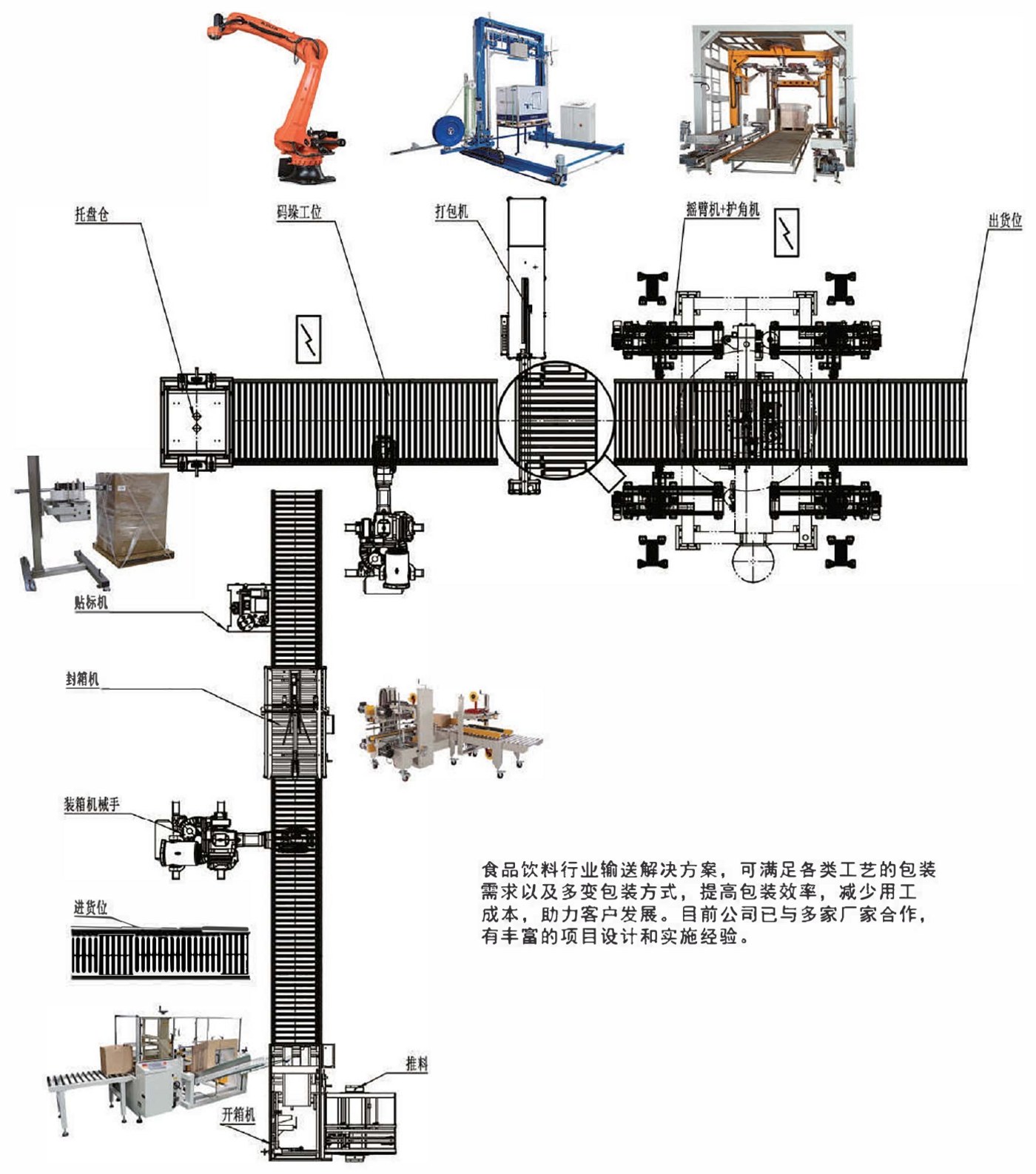
The Four Labeling Technologies at a Glance
The table below compares the four primary labeling systems used on front-end packaging lines. Speed figures are typical working ranges; the right figure for your product depends on container shape, label size and label placement, so treat these as planning bands rather than guaranteed outputs.
| Technology | Label form | Typical speed band | Consumables cost | Changeover | Best-fit products | Main limitations |
|---|---|---|---|---|---|---|
| Pressure-sensitive (PSA / self-adhesive) | Roll labels with pre-applied adhesive and a liner | ~1,000–20,000+ containers/hour; broadest range from semi-auto to high speed | Higher per-label cost; liner waste; adhesive already on the label | Fastest label-size changeover, often under 5 minutes; suits frequent SKU changes | Food, cosmetics, chemicals, pharmaceuticals, short and medium runs; irregular or textured surfaces | Higher recurring label cost; liner disposal; not the cheapest option at very high steady volume |
| Wet glue (cold glue, cut-and-stack paper) | Cut-and-stack paper labels glued on the machine | High speed, typically 6,000–40,000+ bottles/hour on rotary systems | Lowest consumables cost at very high volume; no liner | Slower changeover; glue handling and label magazine setup; suited to stable product mix | Returnable glass beer and beverage bottles, large-volume glass packaging | Glue mess and cleanup; not for film or transparent labels; wet label needs drying/set time; less flexible for short runs |
| Hot-melt roll-fed (OPP / BOPP) | Roll film labels, glue melted and applied on the machine | High speed, roughly 12,000–40,000+ containers/hour | Lower adhesive and label cost than PSA at high volume; film labels are water-resistant | 20–30 minute warm-up; label changes mid-shift are awkward; built for steady runs | High-volume beverages, water, edible oils, household chemicals on round containers | Warm-up time; less flexible for frequent SKU or label-size changes; mainly round or regular shapes |
| Shrink sleeve | Printed film sleeve cut and shrunk over the container | Depends on applicator and shrink tunnel; medium to high speed | Higher label and equipment cost; sleeve film plus tunnel energy | Changeover tied to sleeve diameter and film; full-body decoration and tamper band in one step | Full-body graphics, shaped or tapered containers, tamper-evident bands, multipack decoration | Needs a sleeve applicator plus steam or infrared shrink tunnel; more floor space; film waste; not a plain front-label solution |
Decision Framework: Match the System to Your Real Constraints
By container shape and material
Round PET, HDPE and glass bottles accept all four systems, but irregular, tapered, square or textured containers favor pressure-sensitive, because the label can be pressed onto the surface rather than wrapped with glue or shrunk into a recess. Shaped or tapered containers that need full-body coverage are the main reason to consider a sleeve. Wet glue and hot-melt roll-fed systems are strongest on regular round containers where the label can wrap cleanly around the circumference.
By production speed and run pattern
If you run short batches, frequent SKU changes or a mix of label sizes, pressure-sensitive is the default: the label roll is swapped, the sensor and timing are adjusted, and the line returns to production quickly. If you run one or a few products at high speed across long shifts, wet glue or hot-melt roll-fed brings the per-label cost down, and the slower changeover does not matter as much. Sleeve systems are chosen for decoration and tamper evidence rather than for speed alone, and they add a tunnel that must be balanced with the line.
By label material and decoration requirement
Paper labels with a matte or textured finish point toward wet glue or PSA. Water-resistant film labels for beverages, oils or household chemicals point toward PSA film, hot-melt OPP or a sleeve. If the brief calls for full-body graphics, a tamper-evident band, or labeling over an irregular silhouette, a shrink sleeve is the only system that delivers that result in one step. If you only need a front and back product label, a sleeve is usually over-equipped.
By budget and total cost of ownership
Machine purchase price and consumables cost pull in opposite directions. PSA machines are generally simpler to install and change over, but the pre-applied adhesive and liner make each label more expensive at high volume. Wet glue and hot-melt systems cost more in machine complexity and setup but reduce per-label cost once volume is high enough to amortize that complexity. Sleeve systems carry the highest equipment and film cost, justified only when the decoration or tamper function is required. Compare annual label spend, not just the machine invoice, before deciding.
By machine configuration: semi-automatic, inline and rotary
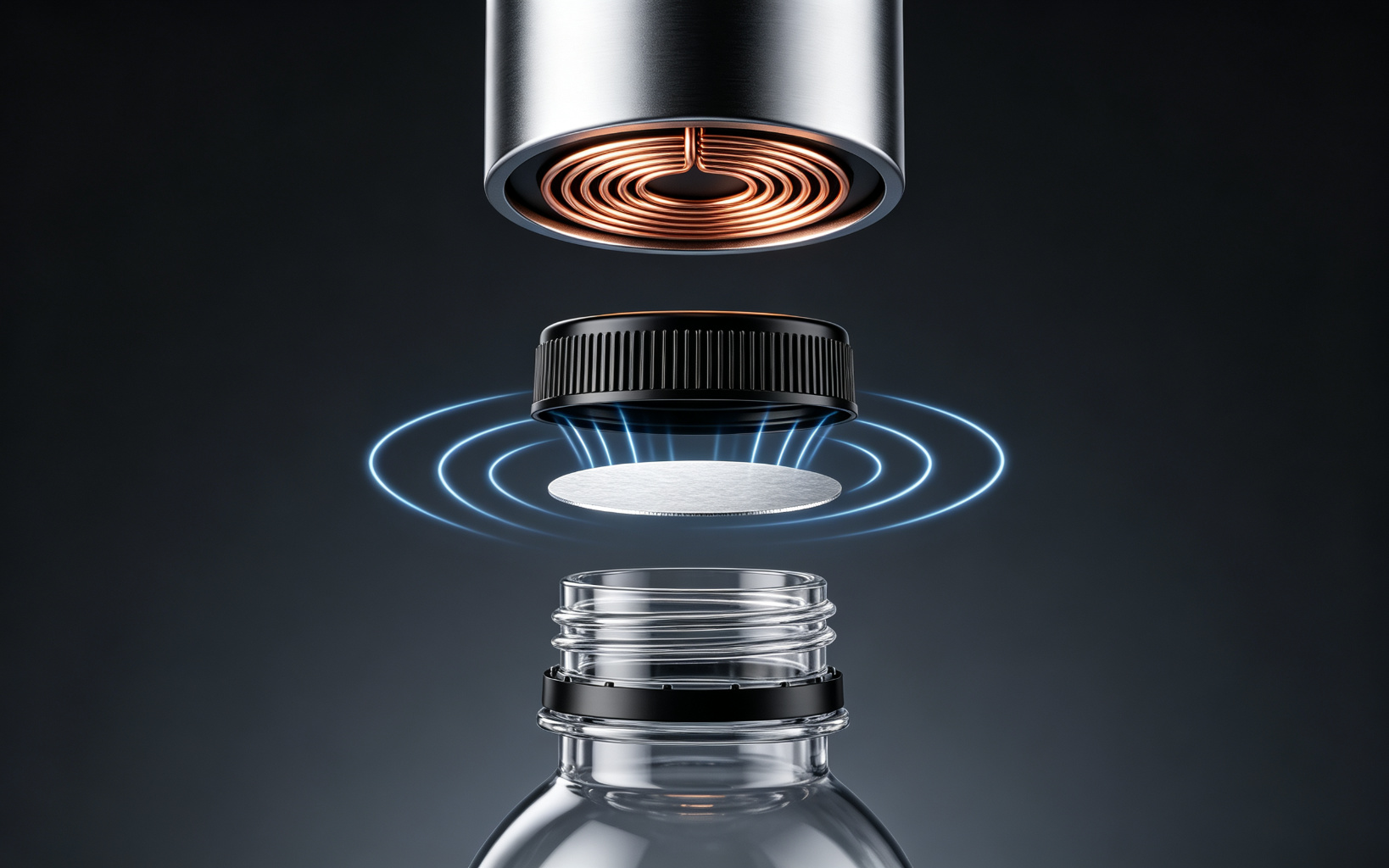
Within each adhesive family, the machine also comes in three configurations that matter as much as the glue type. A semi-automatic labeler feeds containers by hand or on a short conveyor and suits low-volume production, pilot lines and seasonal batches; it is cheaper but cannot keep pace with a high-speed filler. An inline labeler places labels as containers pass along a straight conveyor and is the common match for medium-speed fillers and cappers where the line layout is linear. A rotary labeler indexes containers around a turret and reaches the highest speeds for glass and beverage bottles, at the cost of a larger footprint and more mechanical complexity. Match the configuration to your filler speed and line layout before choosing the adhesive system.
Label registration and placement
Whatever the system, the label must land in the same position on every container: front label centered, back label aligned to the front, wrap labels meeting at the seam, and sleeves seated before shrinking. This depends on container stabilization on the conveyor, a registration sensor that reads the label gap or print mark, and timing that matches container speed to label dispense speed. Irregular or tapered containers, transparent labels, and multi-label placements (front, back and neck label) all raise the engineering effort, and should be demonstrated with your actual container during acceptance testing rather than assumed from a generic machine spec.
What to Confirm Before You Request a Quotation
Suppliers cannot size a labeler from a product name alone. Prepare the following before you send the RFQ, so the machine and label path are matched to your actual packaging:
- Container details: material (PET, HDPE, glass, aluminum, composite), shape (round, square, oval, tapered), height and diameter range, and whether containers vary across SKUs.
- Label details: label type (front, back, wrap-around, full-body sleeve, tamper band), label dimensions, material (paper, PET, OPP, transparent), adhesive preference if known, and whether labels are supplied on rolls or cut-and-stack.
- Target output: containers per hour per shift, number of shifts per day, and whether the line runs continuously or in batches.
- Changeover pattern: how many label sizes or SKUs run per shift, and how much changeover time you can tolerate.
- Line context: upstream filler and capper speed, existing conveyor width and height, floor space available, and whether a shrink tunnel (for sleeves) can be accommodated.
- Environment and compliance: washdown or wet-room conditions, food-contact requirements, and any market labeling or tamper-evidence regulations your product must meet.
Common Labeling Selection Mistakes to Avoid
Choosing the label material after the machine. Machine family and label family are locked together. Buying a wet-glue or hot-melt machine and later deciding you want self-adhesive film labels means a new machine, not a label swap. Decide the label and decoration requirement first, then the machine.
Sizing only by top speed. A labeler quoted at peak bottles per hour may not hold that speed with your label size, container shape or label placement. Ask for the tested speed for your specific container and label, and confirm how the labeler matches the filler and capper upstream rather than running faster or slower than the line.
Ignoring changeover cost. A cheap high-speed system that loses 20–30 minutes every product change can cost more than a slightly more expensive PSA machine if your portfolio changes often. Count changeover frequency and downtime, not just label price.
Underestimating sleeve requirements. A sleeve labeler is not a standalone machine: it needs a shrink tunnel, steam or infrared energy, and space for both. Buyers who plan only for the applicator often find the line will not fit or the tunnel cannot reach the required temperature.
Forgetting the liner and waste stream. PSA labels generate a liner that must be collected and disposed of; film sleeves generate trim waste. Factor waste handling into the line layout, especially in food-grade or washdown areas.
What to Choose, in Short
Choose pressure-sensitive when you run mixed SKUs, frequent changeovers, irregular surfaces, or short-to-medium runs and value setup simplicity. Choose wet glue when you run high-volume returnable glass bottles at steady speed and want the lowest paper-label consumables cost. Choose hot-melt roll-fed OPP when you run high-volume round containers with water-resistant film labels and can accept warm-up and steady production. Choose a shrink sleeve only when full-body graphics, shaped containers or a tamper-evident band are part of the packaging requirement.
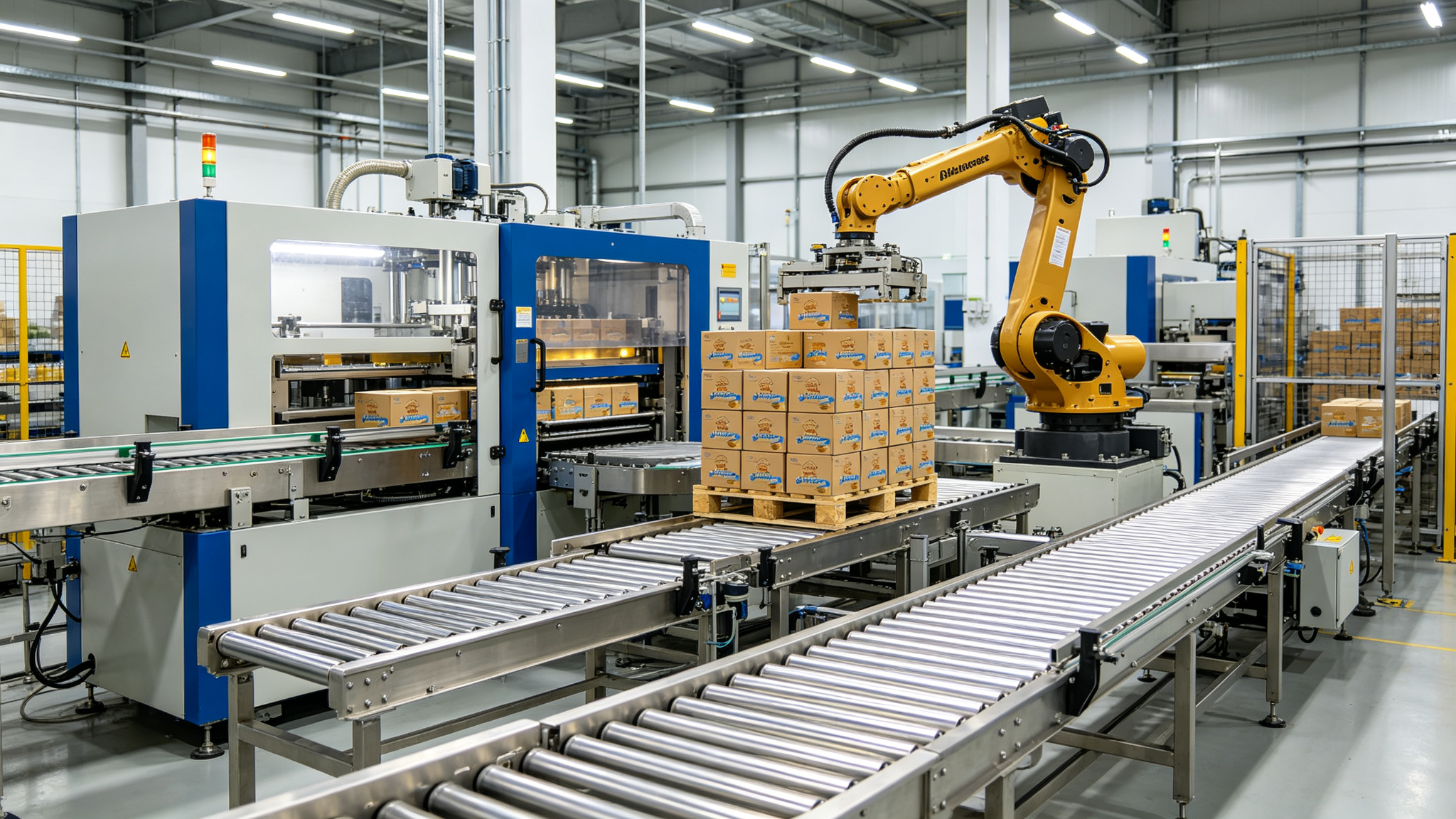
When the labeler is part of a complete line, it should be sized together with the filler, capper and conveyor rather than added as an afterthought. Our labeling machines are configured to match the speed and spacing of our filling machines, capping machines and turnkey lines, and we review the full line balance during engineering.
Not sure which labeling system fits your container and speed? Send your container drawing, label dimensions, target output and changeover pattern to [email protected] or WhatsApp +86 136 4542 9121. Our integration engineers will match the labeler to your upstream line. You can also review our industry solutions, after-sales and commissioning support and help center.