
Typically 6–9 months ambient when the process, cooling and seal are correct. Aseptic can reach 9–12 months.
Do I need preservatives in hot-fill juice?
No. The residual heat and the hot fill sterilize the package; preservatives are not needed for high-acid juice done correctly.
Summary
For high-acid juice at regional scale, hot fill is the cost-effective ambient choice. For low-acid, heat-sensitive or national-export brands, aseptic earns its higher cost. For local refrigerated distribution, cold fill is honest and cheap. Send us your product pH, target shelf life and distribution radius and we will specify the filling method that fits — and tell you if a cheaper option will do.
Sources
Technical figures referenced: Rolangear “Hot Fill vs Aseptic vs Cold Fill”; Masstech juice filling guide; IBottler hot-fill vs cold-fill PET design; Hefestus hot-fill vs cold-fill cost; Zhongbo UHT line selection. Temperature and shelf-life ranges are industry references; the Moroccan line configuration is this project’s own.
Related reading
- X-ray vs metal detector for nut and dried fruit inspection
- Case sealing: tape vs hot-melt glue vs staples
Industry practice is pH below 4.6. Above that, Clostridium botulinum risk means you need UHT and aseptic handling, not hot fill.
How long is hot-fill juice good for?
Typically 6–9 months ambient when the process, cooling and seal are correct. Aseptic can reach 9–12 months.
Do I need preservatives in hot-fill juice?
No. The residual heat and the hot fill sterilize the package; preservatives are not needed for high-acid juice done correctly.
Summary
For high-acid juice at regional scale, hot fill is the cost-effective ambient choice. For low-acid, heat-sensitive or national-export brands, aseptic earns its higher cost. For local refrigerated distribution, cold fill is honest and cheap. Send us your product pH, target shelf life and distribution radius and we will specify the filling method that fits — and tell you if a cheaper option will do.
Sources
Technical figures referenced: Rolangear “Hot Fill vs Aseptic vs Cold Fill”; Masstech juice filling guide; IBottler hot-fill vs cold-fill PET design; Hefestus hot-fill vs cold-fill cost; Zhongbo UHT line selection. Temperature and shelf-life ranges are industry references; the Moroccan line configuration is this project’s own.
Related reading
- X-ray vs metal detector for nut and dried fruit inspection
- Case sealing: tape vs hot-melt glue vs staples
A hot-fill line can run cold-fill products by bypassing the heater, but a cold-fill line cannot run hot-fill products — the bottles deform. If you need both, specify hot-fill from the start.
What pH is the cutoff for hot fill?
Industry practice is pH below 4.6. Above that, Clostridium botulinum risk means you need UHT and aseptic handling, not hot fill.
How long is hot-fill juice good for?
Typically 6–9 months ambient when the process, cooling and seal are correct. Aseptic can reach 9–12 months.
Do I need preservatives in hot-fill juice?
No. The residual heat and the hot fill sterilize the package; preservatives are not needed for high-acid juice done correctly.
Summary
For high-acid juice at regional scale, hot fill is the cost-effective ambient choice. For low-acid, heat-sensitive or national-export brands, aseptic earns its higher cost. For local refrigerated distribution, cold fill is honest and cheap. Send us your product pH, target shelf life and distribution radius and we will specify the filling method that fits — and tell you if a cheaper option will do.
Sources
Technical figures referenced: Rolangear “Hot Fill vs Aseptic vs Cold Fill”; Masstech juice filling guide; IBottler hot-fill vs cold-fill PET design; Hefestus hot-fill vs cold-fill cost; Zhongbo UHT line selection. Temperature and shelf-life ranges are industry references; the Moroccan line configuration is this project’s own.
Related reading
- X-ray vs metal detector for nut and dried fruit inspection
- Case sealing: tape vs hot-melt glue vs staples
SunAura Machinery Ships Hot-Fill PET Juice Line to Moroccan Juice Producer: Why Hot Fill Beat Aseptic for a 200 BPH Brand
A juice producer in Casablanca came to us wanting a PET line. The standard answer for long-shelf-life ambient juice is aseptic filling — but for a brand running 200 bottles per minute, high-acid juice, and a budget that had to pay back in two years, hot filling was the right call. This article lays out the three filling choices for juice — hot fill, aseptic cold fill, and ambient cold fill — and why we specified hot fill for this customer. If you are choosing a juice line, the filling method is the single most expensive decision you will make.
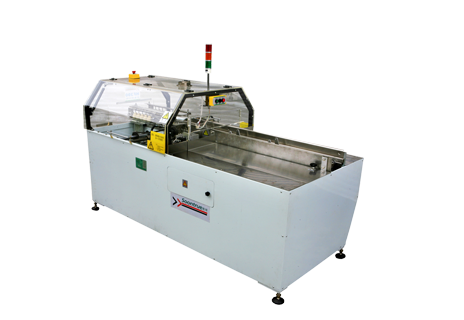
Three ways to fill juice into PET
Hot fill heats the juice to 85–92°C, fills it hot into heat-resistant PET (HR-PET) bottles, caps them, and then rotates the bottles on a cooling tunnel so the residual heat sterilizes the inside of the package. Aseptic fills cold: the juice is UHT-sterilized, the bottle and cap are sterilized separately (hydrogen peroxide or peroxide spray), and filling happens in a sterile enclosure. Cold fill (refrigerated) fills at 20–30°C without extensive heat treatment and relies on preservatives and a cold chain. They look like the same bottles, but the lines, bottles and shelf lives are completely different.
| Hot fill | Aseptic cold fill | Cold fill (refrigerated) | |
|---|---|---|---|
| Filling temperature | 85–92°C | 20–30°C | 20–30°C |
| Shelf life (ambient) | 6–9 months | 9–12 months | Weeks (refrigerated) |
| pH range | High-acid (pH < 4.6) | All pH, including low-acid | High-acid with preservatives |
| Bottle type | HR-PET (thicker, heat-set) | Standard lightweight PET, HDPE, cartons | Standard PET |
| Preservatives | Not needed | Not needed | Usually needed |
| Relative line cost | Medium | 2–3x hot fill | Low |
| Operating cost | Energy for heating and cooling | Sterilization chemicals, clean-room maintenance | Cold chain logistics |
| Best for | High-acid juice, tea, 100–400 BPH brands | Low-acid, heat-sensitive, long-shelf national brands | Local dairy, fresh juice, short distribution |
Why hot fill won for the Casablanca producer
Three facts decided it. First, the product was orange and mango juice — high-acid, pH below 4.6, which hot fill handles well. Second, the line was 200 BPH, a size where an aseptic line’s clean-room, peroxide spray and UHT system were hard to justify on payback. Third, the bottles were already HR-PET and the brand was selling regionally with a 6-month shelf-life target. Hot fill gave them ambient shelf life without preservatives, at about half the capex of aseptic. The line SunAura supplied pairs the hot-fill rotary filler with a sterilizing rinse, a screw capper and a cooling tunnel that rotates the bottles so the hot juice contacts every inner surface.
When aseptic is the only correct choice
Aseptic wins when your product is low-acid (pH above 4.6 — plant-based drinks, dairy alternatives, iced tea near neutral), when the flavor or color is heat-sensitive (cold-pressed NFC, premium tea, vitamin-fortified drinks), or when you need a 9–12 month ambient shelf life for national or export distribution. Aseptic also lets you use lightweight PET bottles that would deform at hot-fill temperatures. The trade-off is capital: aseptic lines cost roughly two to three times a hot-fill line, and the sterile enclosure requires peroxide sterilization, HEPA filtration and rigorous sanitation. For a small regional brand, that cost is hard to recover; for a national brand shipping across borders, it is the standard.
When cold fill is the honest answer
Cold fill (refrigerated) is the choice when your product is dairy, kefir, smoothies, or fresh-pressed juice with a short local shelf life, and you are happy to live in a cold chain. It is the cheapest line, the bottles are cheap, and the process is simple. The catch is preservatives and logistics: you either add preservatives or you sell within weeks, and every link in the chain must hold 2–6°C. For an export brand, cold fill is rarely the right answer — the cold chain risk across borders is not worth the cheap line.
Bottle design: the hidden hot-fill cost
Hot-fill PET bottles are not the same as cold-fill PET bottles. A standard lightweight PET bottle will deform when 88°C juice hits it — it shrinks, the panels cave in, and the label wrinkles. Hot-fill bottles use heat-set HR-PET resin, thicker sidewalls, and vacuum panels that absorb shrinkage as the bottle cools. If you ask for a hot-fill line and try to use standard bottle molds, the result is a forest of deformed bottles on day one. SunAura specifies the bottle together with the line: the resin, the panel design and the cooling tunnel profile are matched. The bottle mold is a separate capital cost that buyers forget to budget.
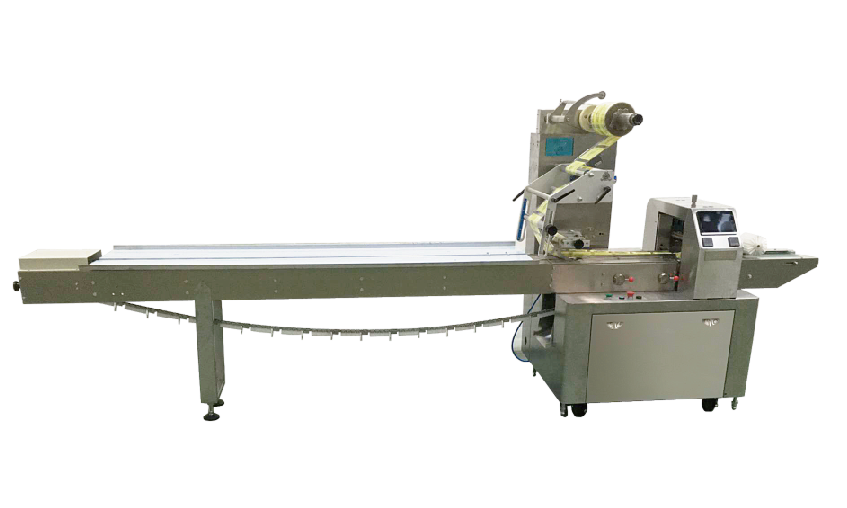
Cooling tunnel and the rotary step
Hot fill does not end at the capper. The capped bottle goes into a cooling tunnel that sprays progressively cooler water, and on many lines the bottles are rotated so the hot juice washes the headspace and the cap. Skip the rotation and the headspace stays warm, which shortens shelf life and can grow mold under the cap. The cooling tunnel must bring the bottle down to below 38°C before labeling, or the label adhesive will not hold. SunAura sizes the tunnel to the line speed and the bottle size — an undersized tunnel is the most common hot-fill mistake, and it shows up as wrinkled labels and warm cases.
Upstream processing: UHT, blending and deaeration
The filler is only half the juice line. Upstream, the juice comes from blending and deaeration, then a pasteurizer (for hot fill) or a UHT sterilizer (for aseptic). Hot fill typically uses a plate heat exchanger to heat the juice to 88–92°C and hold it, then the hot juice goes straight to the filler — the product stays hot through the filler bowl, the filling valves and into the bottle. Aseptic uses a UHT system that heats to a higher temperature for a shorter hold, then cools the juice back to 25°C before filling in the sterile enclosure. The upstream equipment is where the flavor is made: deaeration removes oxygen that causes off-flavors, and the hold time on the pasteurizer sets the microbial kill. SunAura supplies the filler, capper and cooling tunnel, and we coordinate with your upstream pasteurizer vendor so the product temperature at the filler is what the filler expects.
CIP and sanitation on a hot-fill line
A juice line needs CIP — clean-in-place. At the end of every run, the filler bowl, the filling valves and the product piping are flushed with caustic, acid and rinse water. Hot-fill lines are easier to CIP than aseptic because they do not need a sterile enclosure, but they still need a well-designed CIP loop. Plan for a CIP return pump, flow meters on each circuit, and a CIP skid sized to the filler volume. If you are running different juices (orange in the morning, mango in the afternoon), the CIP cycle between flavors is a production loss — specify a CIP program that cleans in under 45 minutes, or you will lose an hour a day to sanitation.
What not to buy
Do not buy hot fill if your product is low-acid or heat-sensitive — you will get spoilage or off-flavor. Do not buy aseptic for a small regional brand unless you have the volume to justify the clean-room cost. Do not assume the bottle molds are included in the filler quote; they are not. And do not run hot-fill juice through a standard cold-fill bottle mold — the deformation is immediate and expensive. Match the filling method to your pH, your shelf-life target and your distribution radius before you ask for a price.
Operating cost: energy and water
Hot fill uses energy twice: once to heat the juice, and once to cool it. The cooling tunnel recirculates water through a chiller, and the heat is recovered where possible. Aseptic uses less thermal energy but spends it on peroxide, HEPA filters and clean-room air handling — and those costs continue every month. Cold fill is cheapest to run but the cold chain cost appears on the distribution side, not the line side. When you compare quotes, ask for the utility consumption per thousand bottles, not just the line price.
Bottle rinsing and cap handling
Empty PET bottles do not arrive sterile. A hot-fill line uses a bottle rinser that turns the bottles upside down and blows filtered air or a light rinse through them before filling. Caps are handled in a cap sorter that drops them onto the filled bottle; on a hot-fill line the cap goes on while the juice is still hot, so the residual heat sterilizes the cap’s inner surface. On an aseptic line, both bottle and cap get peroxide sprayed and air-dried in the sterile enclosure. The rinser and cap sorter are often quoted separately — make sure your filler quote includes them, or the line will not run.
Line layout: the space you need
A hot-fill PET line is long. From left to right: blow molder (or bottle depalletizer if you buy preforms), rinser, filler, capper, cooling tunnel, labeler, coding, case packer and palletizer. The cooling tunnel alone is 6–12 meters long depending on speed, and it needs a chiller nearby. Plan the floor space before you order. SunAura draws the line layout to your factory dimensions, and we coordinate the bottle rinser, filler, capper, cooling tunnel and labeler as one sequence on one HMI — so the operator selects “orange 500ml” and the whole line changes over together. Buying each machine from a different supplier is where most juice line projects stall at integration.
Labeling and coding after the filler
After the cooling tunnel, the bottles go to labeling and coding. A hot-fill bottle is round and usually takes a wrap-around or front-and-back pressure-sensitive labeler; the bottle must be below 38°C before labeling, or the adhesive fails. Coding is either a CIJ inkjet or a laser, and the date code must be legible on the bottle or the label. SunAura integrates the labeler and coder into the same line control, so the bottle count from the filler feeds the labeler and the coder. Buyers often price the filler and forget the labeler and coder — they are not small items, and they are what the consumer sees on the shelf.
FAQ
Unsure which filling method fits your juice? The three questions to answer first are: what is your product pH, what shelf life do you need, and where does the product ship. Once those three are fixed, the choice between hot fill, aseptic and cold fill is usually clear — the rest is engineering detail.
Can I run both hot-fill and cold-fill products on one line?
A hot-fill line can run cold-fill products by bypassing the heater, but a cold-fill line cannot run hot-fill products — the bottles deform. If you need both, specify hot-fill from the start.
What pH is the cutoff for hot fill?
Industry practice is pH below 4.6. Above that, Clostridium botulinum risk means you need UHT and aseptic handling, not hot fill.
How long is hot-fill juice good for?
Typically 6–9 months ambient when the process, cooling and seal are correct. Aseptic can reach 9–12 months.
Do I need preservatives in hot-fill juice?
No. The residual heat and the hot fill sterilize the package; preservatives are not needed for high-acid juice done correctly.
Summary
For high-acid juice at regional scale, hot fill is the cost-effective ambient choice. For low-acid, heat-sensitive or national-export brands, aseptic earns its higher cost. For local refrigerated distribution, cold fill is honest and cheap. Send us your product pH, target shelf life and distribution radius and we will specify the filling method that fits — and tell you if a cheaper option will do.
Sources
Technical figures referenced: Rolangear “Hot Fill vs Aseptic vs Cold Fill”; Masstech juice filling guide; IBottler hot-fill vs cold-fill PET design; Hefestus hot-fill vs cold-fill cost; Zhongbo UHT line selection. Temperature and shelf-life ranges are industry references; the Moroccan line configuration is this project’s own.