Tube packaging sits between a bottle line and a pouch line: the container is a collapsible tube, the product is usually a cream, gel, paste or ointment, and the machine must dose the product cleanly, seal the open tail, and often stamp a batch or lot code into the seal. Choosing a tube filler and sealer means matching two separate decisions at once — the machine configuration (semi-automatic, inline or rotary) and the tail-sealing method (heat jaw, ultrasonic or aluminum crimp). Get either one wrong and the line either cannot seal your tube material, or cannot hold the speed and changeover your product mix requires. This guide compares the configurations and sealing methods, lays out a decision framework by tube material, viscosity and output, and lists what to confirm before you request a quotation.
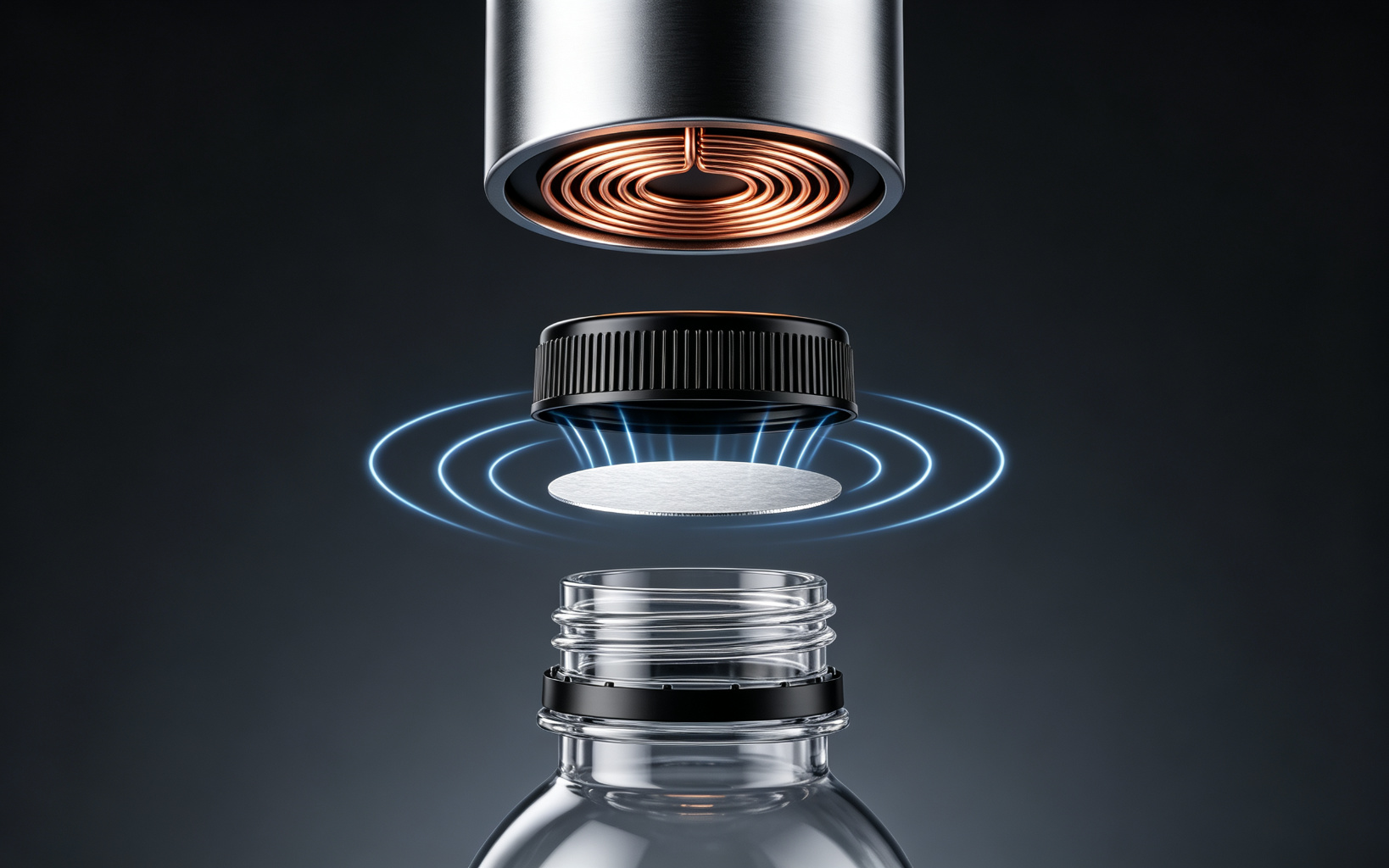
Machine Configuration: Semi-Automatic, Inline and Rotary
Tube fillers are grouped by how tubes are presented and how many stations run in parallel. The configuration sets your realistic output ceiling and how much operator labor the line needs, before the sealing method is even considered.
| Configuration | How tubes move through | Typical speed band | Operator involvement | Best fit | Limitations |
|---|---|---|---|---|---|
| Semi-automatic tube filler-sealer | Operator places each tube into the holder; the machine fills, seals and discharges one cycle at a time | Roughly 10–40 tubes/minute depending on model and tube size | High: manual tube loading and unloading; one operator per machine | Pilot batches, small brands, seasonal runs, laboratory and formulation work; low capital outlay | Not scalable to high volume; throughput tied to operator speed; limited tube-format range on basic models |
| Inline (straight-through) tube filler-sealer | Tubes travel along a conveyor through fill, seal and code stations in a line | Roughly 40–80 tubes/minute on common cosmetic and pharma formats | Lower: tube magazine or automatic loading; operator monitors and reloads | Medium-speed cosmetic, personal-care and chemical tube lines with a stable product and tube range | Floor length longer than a rotary machine; changeover between very different tube shapes can take time |
| Rotary turret tube filler-sealer | Tubes index around a rotating turret through multiple stations in parallel | Higher output, typically 60–120+ tubes/minute on dedicated formats | Lowest per-unit labor; automatic tube feed and discharge | High-volume production, pharma and repeat-order cosmetic lines; consistent tube format | Higher capital cost; longer changeover; best when the tube and product range is narrow and stable |
Tail-Sealing Method: Heat Jaw, Ultrasonic and Aluminum Crimp
The sealing method is tied to your tube material, and this is the most common mismatch buyers run into. A heat-seal machine cannot close a pure aluminum tube with a clean crimp, and an ultrasonic head is not the default choice for a simple plastic tube at low speed.
| Sealing method | Works on | How the seal forms | Strengths | Limitations |
|---|---|---|---|---|
| Heat-jaw (heat sealing) | Plastic (PE, laminate) tubes that respond to heat | Heated jaws compress and melt the tail film together; cooled and shaped before discharge | Mature, widely available, lower machine cost; clean seal on plastic and standard laminate | Heat can affect heat-sensitive creams; seal quality depends on jaw temperature, pressure and dwell; not for pure aluminum |
| Ultrasonic sealing | Laminate and many plastic tubes; popular for cosmetics and creams | High-frequency vibration generates heat at the tail interface without external heated jaws | Cleaner, narrower heat-affected zone; less risk of burning the product; good seal on laminate where heat flow varies | Higher equipment cost; tuning depends on tube film and thickness; not a fit for every tube material |
| Aluminum crimp / fold-over seal | Pure aluminum tubes (pharmaceutical ointments, some specialty pastes) | Metal tail is folded, crimped and often stamped or embossed by mechanical dies | Required for aluminum tubes; produces the classic folded, coded metal tail | Mechanical crimp dies are tube-size specific; does not weld laminate or plastic; not interchangeable with heat or ultrasonic heads |
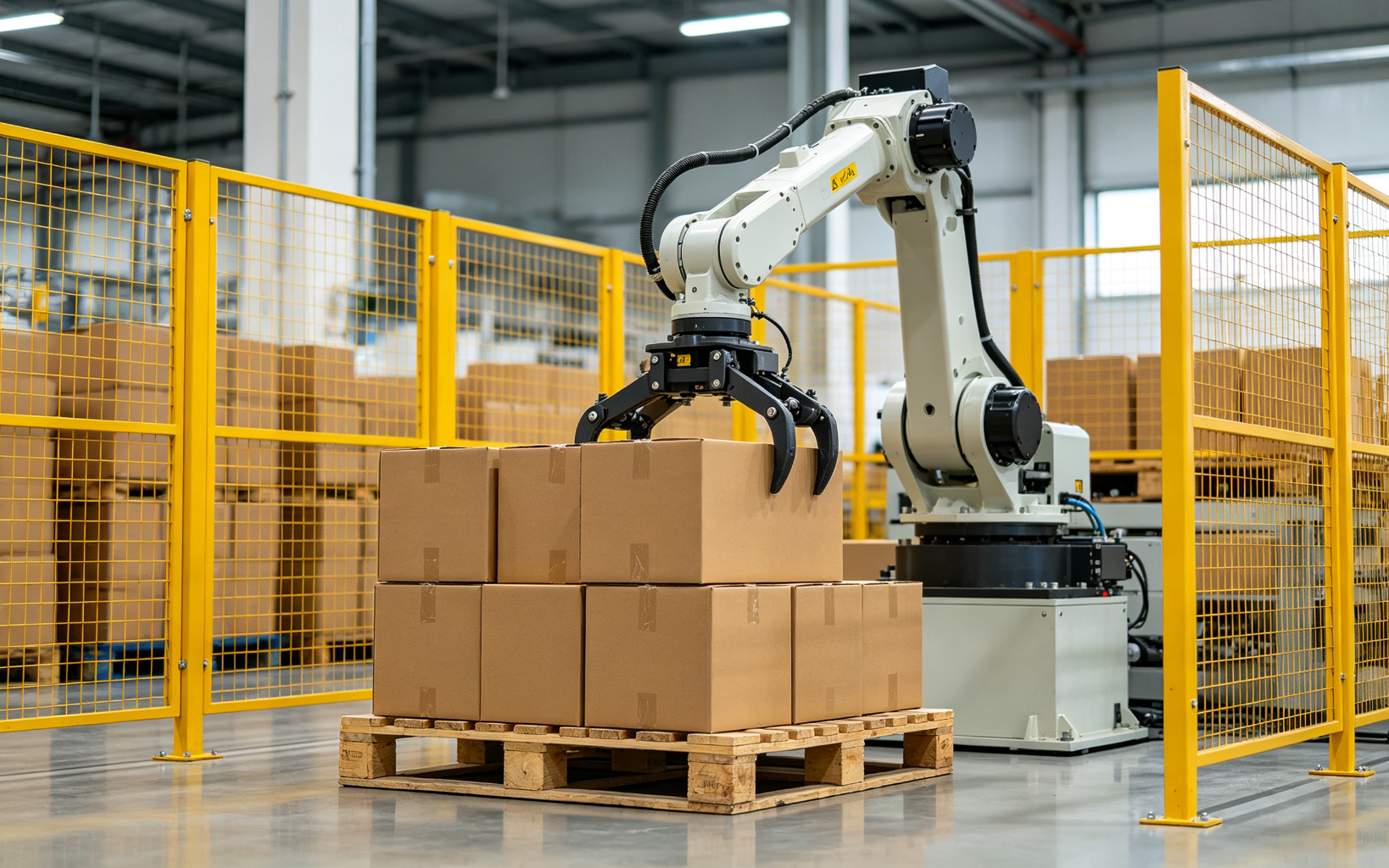
Decision Framework: Match the Machine to Your Real Constraints
By tube material
Confirm the tube before anything else. Plastic and standard laminate tubes can use heat-jaw or ultrasonic sealing; laminate that burns or degrades under direct heat often runs ultrasonic. Pure aluminum tubes require a mechanical crimp and fold-over head, and a machine bought for heat sealing cannot be converted to crimp later. If you plan to switch between laminate and aluminum in future, plan for either a dual-head machine or two dedicated stations rather than assuming one head handles both.
By product viscosity and filling temperature
Tube products range from thin gels to stiff wax-based creams and ointments. The dosing method follows the viscosity: thin gels and lotions can use a pump or gravity feed, while pastes, creams and semi-solids need a piston or positive-displacement dosing cylinder. Critically, measure viscosity at the filling temperature, not at room temperature. A wax cream that is thick and stiff at 20 °C may flow easily at 50–60 °C, which changes the nozzle design, hopper and whether product heating or stirring is required. Send the supplier a measured viscosity curve rather than a single room-temperature figure.
By output and product mix
If you run one or two tube formats at high volume on a repeat order, a rotary machine pays back on speed and low labor. If you change tube sizes, products or brands often, an inline or semi-automatic machine with quicker changeover protects you from losing hours each shift to format swaps. Count how many tube diameters and lengths you run per month, and how long an acceptable changeover takes, before choosing the fastest configuration on paper.
By hygiene, cleaning and product category
Food, cosmetic and pharmaceutical tubes differ on contact materials, drainage and washdown expectations. A cream that cures or skins over between batches needs a dosing nozzle that drains cleanly and can be disassembled or CIP-washed; an ointment that traps product in seals needs sanitary contact surfaces and gap-free design. If your market requires lot coding on the seal, confirm the coding method (embossing, ink or laser) is integrated rather than added as a separate manual step.
What to Confirm Before You Request a Quotation
Tube filler quotes go wrong when the supplier has to guess the tube and product. Prepare the following up front:
- Tube specification: material (plastic, ABL/PBL laminate, aluminum), tube diameter, length range, wall thickness, open-tail or shoulder form, and whether tubes are supplied open or pre-closed.
- Product specification: product type, viscosity measured at filling temperature, whether it contains particulates, whether it heats or solidifies on cooling, and any foam or stringing tendency.
- Filling range: minimum and maximum fill volume per tube, target fill accuracy, and whether fill weight or volume is the controlled variable.
- Target output: tubes per minute, tubes per shift, number of shifts, and peak campaign volume.
- Changeover pattern: how many tube sizes and products run per shift, and acceptable changeover time.
- Seal and coding: required seal type, any lot/batch coding on the tail, and market regulations the seal and contact materials must meet.
- Line context: available floor space, upstream tube supply and downstream packing, and washdown or environmental conditions in the machine room.
Common Tube Filling Selection Mistakes to Avoid
Buying the sealing head before confirming the tube material. Heat, ultrasonic and crimp heads are not interchangeable. Specifying an ultrasonic machine for a simple low-speed plastic line pays for technology you do not need; specifying a heat machine for aluminum guarantees it cannot seal the tail. Lock the tube material first, then choose the head.
Quoting viscosity at room temperature. Many creams and waxes change dramatically with heat. A viscosity figure taken cold leads to a nozzle and dosing cylinder that struggle once the product warms or cools in the hopper. Provide a viscosity-versus-temperature curve and a sample product for trial filling.
Sizing only by peak tubes per minute. A rotary machine quoted at top speed may not hold that rate with your tube diameter, seal station and coding step. Ask for tested output for your actual tube and product, and confirm the machine balances with any upstream and downstream handling on the same line.
Ignoring changeover on mixed-format lines. A high-speed dedicated machine that loses 30–60 minutes on every tube-size swap can cost more than a slightly slower inline machine that changes format quickly. Match the configuration to how often you change, not only to the fastest run.
Forgetting drainage and cleanup. Product left in the nozzle or dosing cylinder between batches skins over, contaminates the next fill and wears seals faster. Check how the dosing valve drains, how quickly parts come off for washdown, and whether the hopper can be heated or stirred for products that thicken at rest.
What to Choose, in Short
Choose a semi-automatic tube filler-sealer for low volume, pilot runs and frequent new formulations where capital cost and floor space matter more than speed. Choose an inline machine for medium-speed cosmetic, personal-care or chemical tube lines with a moderate format range. Choose a rotary turret machine for high-volume, repeat-order production where speed and low labor justify the investment. On the seal: use a heat jaw for standard plastic and laminate tubes at lower cost, ultrasonic for laminate and heat-sensitive creams where a clean, narrow seal matters, and an aluminum crimp only for pure metal tubes.
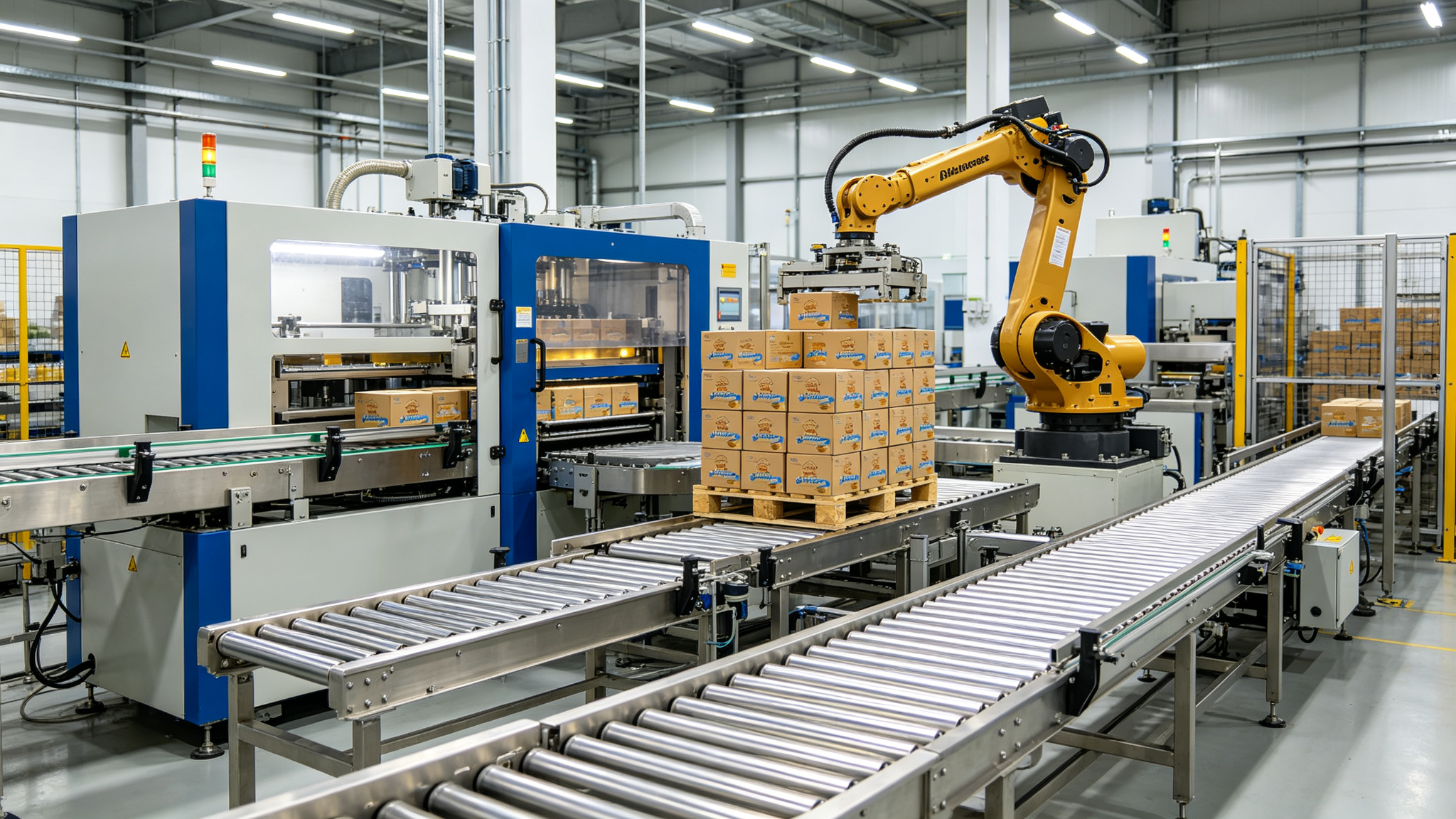
When the tube machine is part of a front-end line, it should be sized with the filler, capper and conveyor balance in mind rather than added as a standalone island. Our filling machines, capping machines and turnkey lines are configured together during engineering, and our automatic tube filler-sealer covers both the dosing station and tail sealing in one machine, with a 2-in-1 tube filling and capping unit available for smaller-format cosmetic and paste tubes.
Unsure which tube configuration and seal method fit your tubes and product? Send tube samples or drawings, your product viscosity at filling temperature, target output and changeover pattern to [email protected] or WhatsApp +86 136 4542 9121. Our application engineers can trial-fill your product and recommend the matching station. You can also review our industry solutions, after-sales and commissioning support and help center.