Why a Nutraceutical Brand Swapped Pressure-Sensitive Liners for Induction Seals: Choosing Tamper Evidence
The brand had used the same simple cap liner for years on a dry supplement line, and it worked well enough. Then they launched a liquid gummy-and-syrup range, started selling through a major online marketplace, and discovered that the cheap liner that kept dust off a dry product was the wrong component for almost every requirement the new business created. The decision they faced is the one every capped-product packer eventually meets: which tamper-evident closure actually delivers the evidence, the leak protection and the shelf life the product needs, rather than which one costs the least up front? This article turns that decision into a selection guide comparing induction foil seals, pressure-sensitive liners and shrink bands, where each one is genuinely tamper-evident, and where the inexpensive option is a compliance and leakage risk.
At SunAura Machinery we integrate induction sealing and capping lines for nutraceuticals, pharmaceuticals, food and beverage, personal care, agrochemicals and household chemicals, and the honest framing is that the three options are not interchangeable grades of the same thing. They use different mechanisms, sit at different levels of tamper evidence, and assume different things about whether the product is liquid or dry, whether it must be hermetically protected, and whether it will survive the rough handling of a parcel network. The right choice is set by the product and the channel, and treating a liner designed as a dry dust cover as if it were a tamper-evident liquid seal is the classic procurement mistake.
What Each Option Actually Is
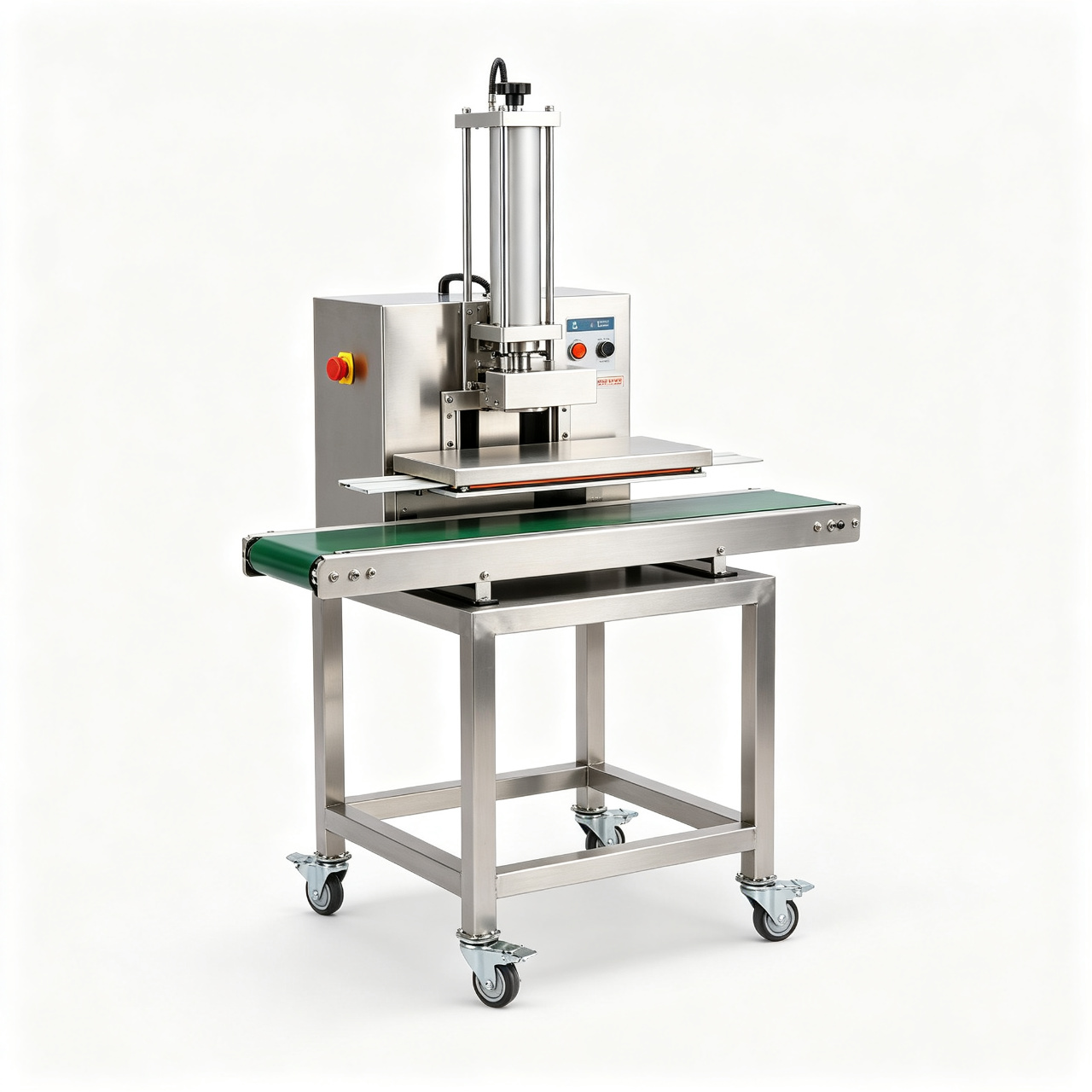
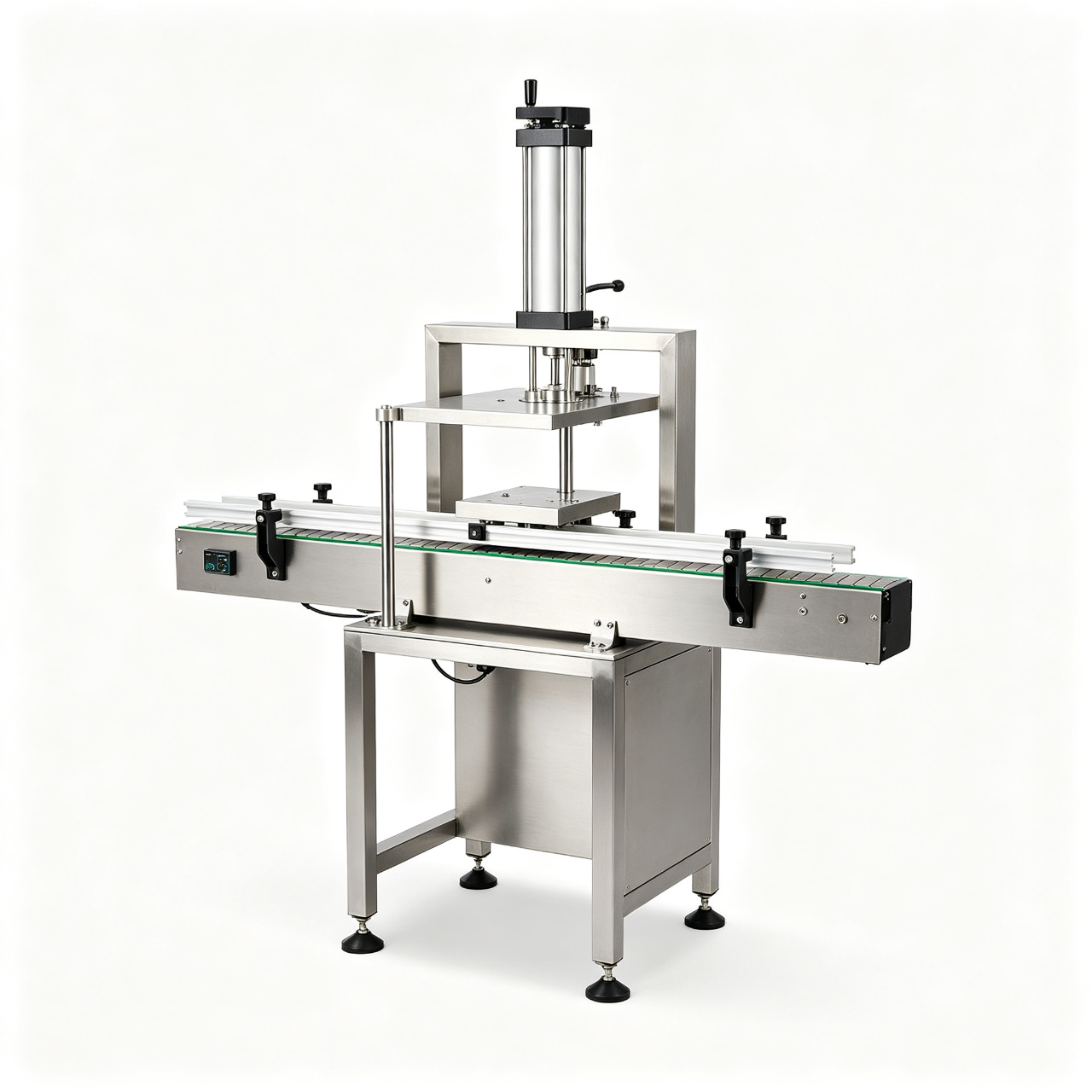
An induction foil seal is a multi-layer liner carried inside the cap. After capping, the container passes under an induction sealing head, where an electromagnetic field heats the aluminum layer and melts a heat-seal film that bonds the foil to the container lip at a molecular level. The result is a hermetic, leak-proof seal across the mouth; when the consumer first opens the cap and peels the foil, the broken seal is unmistakable, and systems that leave a foil ring around the lip make any attempt to lift and reapply it immediately visible. The bond cannot be recreated without the sealing machine, which is why induction seals sit at the highest level of tamper evidence and why they also block oxygen and moisture, extending shelf life and preventing leaks in transit. The trade-off is capital: the line needs an induction sealing unit and the correct liner, and the container and cap must be compatible with the process.
A pressure-sensitive liner, by contrast, is a foam or film disc coated with adhesive that simply sticks to the container rim when the cap is tightened on standard capping equipment, with no heat and no extra machine. It is designed as a one-time seal for dry capped products — essentially a dust cover that stays on the lip after the cap is first removed. It is the cheapest option because it needs no sealing equipment, but it has two decisive limitations. It does not form a hermetic seal, so it neither protects against oxygen and moisture transmission nor prevents liquid leaks, and it can be peeled and pressed back down without leaving clear evidence, which means it does not meet the definition of tamper-evident packaging for products that genuinely require it. A shrink band is the third option: a plastic sleeve placed over the cap or neck and shrunk with heat to form a visible, tight band that must be torn or cut to open. It is visually obvious and tamper-evident at a medium level, but a determined person can remove and reapply a band with basic heat, and on its own it does not seal the mouth, so it gives no hermetic or leak protection across the opening.
Tamper Evidence, Leak Protection and the FDA Definition
The starting point for any comparison is the regulatory definition. Authorities such as the FDA describe tamper-evident packaging as having one or more indicators or barriers that provide visible evidence if tampering has occurred. Judged against that standard, the three options separate clearly. Induction seals rank high: the foil is welded to the mouth, the first break is unmistakable, and the seal cannot be recreated without a machine. Shrink bands rank medium: the band is obvious and must be cut, which is visible, but it can be re-applied with heat and it does not protect the mouth itself. Pressure-sensitive liners rank low to medium for evidence: peeling is visible on close inspection, but the liner can be lifted and pressed back without a clear, reliable signal, which is precisely why technical sources state they are unsuitable where true tamper evidence is required. The nutraceutical brand’s liquid range needed the highest level, which immediately ruled out relying on the pressure-sensitive disc alone.
The e-commerce channel then made the decision sharper. Major online marketplaces and parcel carriers have guidelines requiring seals that prevent leaks during transit, because a leaking bottle in a mixed parcel damages other goods and generates claims. The induction seal is airtight and leak-proof, meeting those carrier requirements; the pressure-sensitive liner is explicitly not recommended for liquid products and does not prevent leaks, and the shrink band, while visible, does not seal the mouth against leakage. On top of that, the hermetic foil barrier keeps oxygen and moisture out, preserving freshness and supporting shelf life in a way neither of the other two can match. The brand’s switch was therefore not a single-issue compliance fix; it solved tamper evidence, transit leakage and freshness together, which is why the capital cost of the induction unit was justified rather than optional.
Selection Table: The Three Closure Options Side by Side
| Dimension | Induction foil seal | Pressure-sensitive liner | Shrink band |
|---|---|---|---|
| Sealing mechanism | Electromagnetic field bonds foil to lip | Adhesive sticks under cap pressure | Heat-shrunk sleeve over cap or neck |
| Tamper evidence | High; unmistakable break, can’t recreate | Low to medium; can be pressed back | Medium; must be cut, re-apply possible |
| Hermetic / barrier | Yes; blocks oxygen and moisture | No; not airtight | No; does not seal the mouth |
| Leak protection | Yes; leak-proof for liquids | Not recommended for liquids | No seal across the opening |
| Equipment required | Induction sealing unit (capital) | None; standard capping | Heat tunnel or heat gun |
| Relative price | Highest; machine plus liners | Lowest; liner only | Low to mid; band and heat |
| Changeover difficulty | Moderate; head and liner settings | Low; cap change only | Low to moderate; band sizing |
| Maintenance burden | Sealing head, controls, cooling | Minimal; no extra equipment | Heat element, sleeve handling |
| Typical industries | Nutraceuticals, pharma, food, chemicals, e-commerce | Dry goods, dry supplements, powders | Promotional packs, jars, secondary evidence |
When Not to Choose Each One
Do not rely on a pressure-sensitive liner for a liquid product, for a package that must be tamper-evident, or for anything that needs an airtight seal to preserve freshness; the disc can be lifted and re-applied without clear evidence, does not block oxygen or moisture, and will not prevent leaks in the parcel network. Do not assume the pressure-sensitive disc is adequate simply because it was the historical choice on a dry line, because the same component is a different risk when the product and the channel change. Conversely, do not over-invest in a full induction sealing line for a simple, dry, low-cost product sold through stable retail channels where a pressure-sensitive dust cover is genuinely sufficient and no liquid, freshness or marketplace requirement exists; the capital premium is not justified by a problem the product does not have. And do not use a shrink band as the sole protection for a liquid or a product needing a hermetic barrier, because the band proves the cap was disturbed but leaves the mouth unsealed against leaks and oxygen; it is a strong secondary or visual cue rather than a primary seal.
The combined case is worth naming. Some programs use the mechanisms together rather than choosing one: an induction foil seals the mouth for hermetic, leak-proof protection while a shrink band over the cap adds a visible outer cue and extra evidence for high-risk or premium lines. That combination is justified for products where both the barrier and the obvious outer signal matter; for a straightforward dry product, doubling the components is unnecessary cost. The decision should always be tied to the actual risk profile — liquid versus dry, marketplace versus stable retail, shelf-life sensitivity versus inert content — rather than to a single default closure applied everywhere.
Cost, Supply Risk and the Procurement Decision
The up-front cost comparison flatters the pressure-sensitive liner, because it needs no sealing machine, but the full cost of ownership includes the risks it does not cover: leakage claims in e-commerce, the absence of a freshness barrier, and the compliance gap where tamper evidence is required. There is also a material supply issue that has shifted the economics. Pressure-sensitive liners traditionally rely on polystyrene foam, and industry sources report that major producers discontinued domestic polystyrene foam production in late 2023, forcing offshore sourcing with associated cost, availability and quality disruption, while state-level polystyrene bans have made brand owners cautious about designing it into new packaging. Against that background, the induction seal’s higher capital cost is partly offset by avoiding a liner material under both supply and regulatory pressure, while delivering the leak and evidence performance the new channels demand.
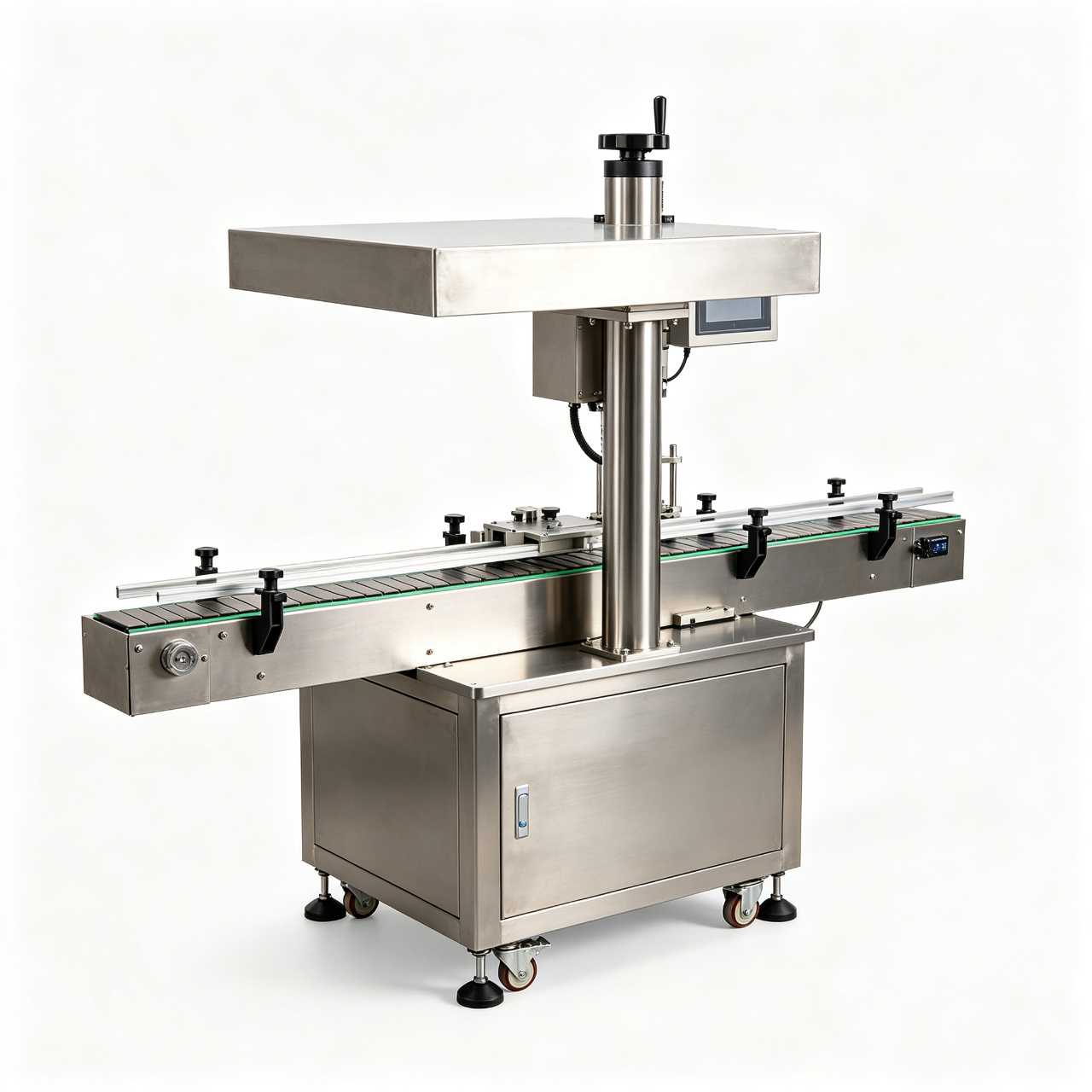
When evaluating suppliers, confirm the engineering details rather than accepting a generic claim: whether the specific container material and cap are compatible with induction sealing, the correct head size and power for the cap diameter, achievable line speed, and whether the machine stores per-product recipes for changeover. The sealing station has to be specified as part of a coherent sequence with the equipment upstream and downstream — the induction sealing machines and their sealing heads work only when the closures are presented consistently by the automatic bottle capping equipment, and the labeling line has to be timed to the sealed containers. For the dosing that precedes sealing, the liquid filling machines set the fill tolerance that the seal then protects.
Frequently Asked Questions
Is a pressure-sensitive liner tamper-evident?
Not reliably for products that require true tamper evidence. The disc can be peeled and pressed back onto the rim without a clear, dependable signal, which is why technical sources describe it as unsuitable for tamper-evident purposes and frame it as a one-time dust cover for dry products. For a visible, hard-to-recreate indicator, an induction seal or a shrink band is the appropriate choice.
Do I need an induction seal if my product is dry?
Often no. A dry, stable product sold through ordinary retail channels may be fully served by a pressure-sensitive liner or a shrink band, and the induction capital is not justified. The balance changes if the product is sensitive to oxygen or moisture, needs a guaranteed shelf life, or moves into e-commerce where leak and evidence requirements are stricter.
Can a shrink band replace a foil seal on a liquid?
No, not on its own. The band shows the cap was disturbed but does not seal the mouth, so it gives no leak protection and no hermetic barrier. For liquids, the induction foil should seal the opening; a shrink band can be added over it as an additional visible cue when the product warrants both layers.
Will induction sealing work with any bottle or cap?
Mostly, but compatibility has to be confirmed. The container material and shape, the cap, the liner type and the head size and power all affect the result, and wide-mouth containers need a larger sealing head. A reliable supplier verifies the seal on the actual container and provides the head and recipe settings rather than assuming one configuration covers every pack.
Summary: Match the Closure to the Product and the Channel
The nutraceutical brand’s switch was driven by requirements, not fashion. Choose induction foil sealing for liquids, products needing a hermetic freshness barrier, anything sold through e-commerce with carrier leak rules, and any line that needs the highest level of tamper evidence; the molecular bond is unmistakable on first break, cannot be recreated without the machine, and prevents leaks and oxygen ingress. Keep the pressure-sensitive liner only for dry, stable products where a simple dust cover is sufficient and no liquid, barrier or true tamper-evident requirement exists, while noting the supply and polystyrene-ban pressures on that material. Use a shrink band as a visible medium-level cue or a secondary layer, never as the sole seal on a liquid. Combining the foil seal with an outer band is justified where both barrier and obvious evidence matter, and the correct answer is always the one matched to the real risk profile rather than the lowest component price.
The closure decision sits alongside the other choices on the line. If you are deciding how the product is dosed before sealing, our companion guide compares net-weight and volumetric filling methods, and for products packed in flexible bags, see how to choose between pillow bags, stand-up pouches and quad-seal formats. If you want the sealing method selected against your real containers, cap types, product viscosity and sales channel rather than a generic liner, send us your samples and pack list and we will confirm the seal, line speed and compatibility, and quote the configuration — contact SunAura Machinery to start the review.
Source Material
This article was developed from, and reorganizes, published technical material from induction sealing and cap-liner manufacturers and packaging suppliers, including guidance on the FDA definition of tamper-evident packaging, the limitations of pressure-sensitive liners, the tamper-evidence and leak performance of induction seals, the role of shrink bands, and the polystyrene supply and regulatory changes affecting liner materials. Statements about evidence levels, carrier requirements and supply disruption reflect those published sources; specific performance should be validated on the actual container and confirmed against current equipment and liner specifications.