Why a Snack Co-Packer Kept Pillow Bags Over Stand-Up and Quad-Seal Pouches: A Flexible Format Selection
The marketing team had a clear brief: the new snack range needed to look more expensive on the shelf. The design agency rendered it in a matte, zippered stand-up pouch, and the premium quad-seal option looked even better in the mockup. Then the operations team priced the change and the question became the one that actually decides the project — which flexible bag format fits the product, the line speed, the retail channel and the margin, rather than which one looks best in a picture? This is the decision a regional snack co-packer worked through recently, and the instructive part is that they kept the humble pillow bag for most of their range even though the premium formats were genuinely better looking. This article turns that decision into a selection guide comparing pillow, stand-up and quad-seal pouches, where each one pays, and where the attractive option is the wrong buy.
At SunAura Machinery we specify vertical form-fill-seal and premade-pouch lines for snacks, coffee, pet food, nuts, granola, powders and frozen foods, and the honest framing is that flexible packaging is a cost-versus-presentation decision with machinery speed built into it. The three formats are not three quality grades; they are three structures that solve different problems, and the right choice depends on fill weight, shelf channel, required output, bag cost and how much visual impact the product genuinely needs at the point of sale. Choose the format that fits the job, and the premium appearance follows only where it earns its margin.
The Three Structures: What Actually Differs
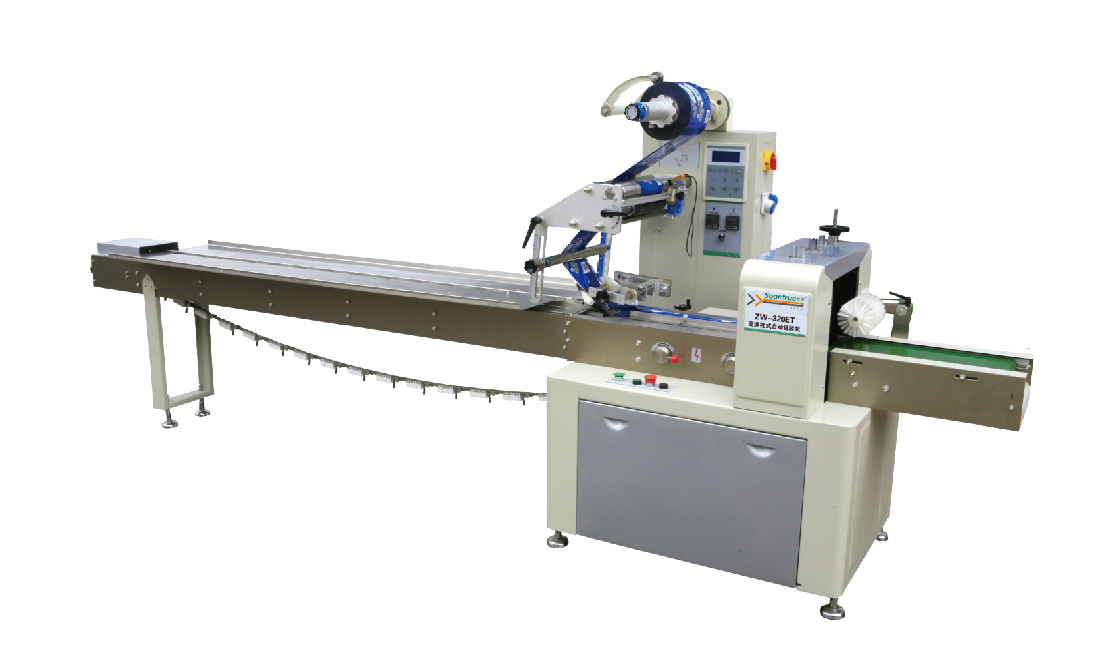
The pillow bag is the simplest and most common flexible format — industry material estimates it accounts for roughly 60 percent of flexible packaging. A single web of film is formed into a tube, sealed along a vertical back seam and then sealed and cut across the top and bottom, producing a soft, cushion-shaped pack with no gusset. It uses the least material, runs at the highest speed on a vertical form-fill-seal machine, and is the cheapest bag to produce from a flat film roll. Its weakness is display: it does not stand upright, it presents a curved rather than flat face for graphics, and it looks like the value option rather than the premium one. For high-volume, price-sensitive snacks sold in bins, multipacks or stacked on shelf, those weaknesses are largely irrelevant and the economics are decisive.
The stand-up pouch adds a bottom gusset that opens as the bag fills, so the package stands vertically on the shelf and presents a flat, printable face. It is the most versatile structure: a brand can add a press-to-close zipper, a spout, a clear window, a one-way degassing valve, hang holes, tear notches, and matte or gloss finishes. It sells across snacks, powders, supplements, pet treats, frozen foods and liquids, and it occupies less shelf space than a rigid container while still standing. The trade-off is that it uses more material and structure than a flat pillow bag, and a zippered or valved premade pouch costs more per unit and typically runs slower than a film-roll VFFS line. The quad-seal pouch goes further still: two side gussets and four vertical corner seals produce a rigid, box-like body that stands tall and keeps its shape even for heavy fills, with flat panels that carry premium graphics. It is the default for premium coffee and is widely used for pet food, granola, nuts, pasta and bulk dry goods, and it is the most expensive and machinery-specific of the three to run.
The Machinery Decision Hidden Inside the Format Choice
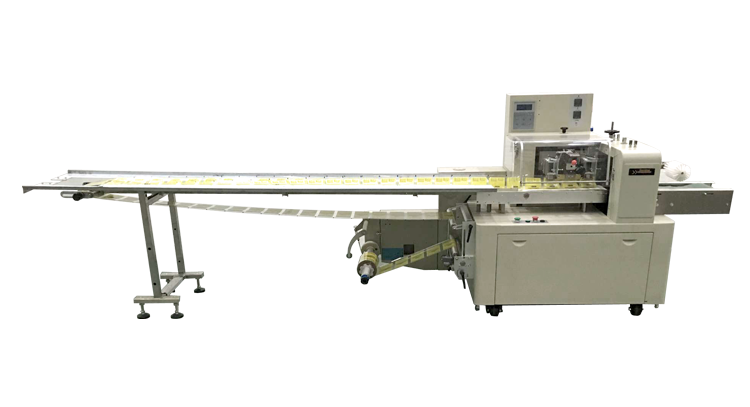
The format is not chosen in isolation from the machine, and this is where many brands underestimate the cost. A pillow bag is formed from a flat film roll on a VFFS or horizontal flow-wrapper, which is the lower-cost entry point and the fastest cycle; published machinery guidance puts the crossover around 60 bags per minute, below which premade pouches are practical and above which roll-formed bags are the efficient choice. A premade stand-up pouch, already converted with its zipper or valve, is filled on a rotary premade-bag machine that picks, opens, fills and seals pre-made bags at a more moderate pace, trading speed for the convenience features and the finished look. Quad-seal bags need different sealing jaws and gusset handling than a standard VFFS, and high-end continuous machines can form pillow, gusseted and stand-up styles on one frame — one European builder rates its flexible machine at up to around 105 stand-up pouches per minute with quick format change, but that capability carries a matching capital price.
The co-packer’s arithmetic started here. Their existing flow wrappers ran the snack range at high speed from cheap film roll with low changeover labor, and the operators knew the machines. Switching the core high-volume SKUs to premade stand-up pouches meant slower cycles, a new rotary filler, higher bag cost and a zipper the consumer did not ask for on a single-serve snack eaten in one sitting. The premium look was real, but it did not convert into enough shelf pull-through or price uplift to clear the added per-bag cost at that volume and channel. They kept pillow bags for the fast-moving single-serve lines and reserved the stand-up and quad-seal formats for the specific products where the structure did real work: a resealable family-size pouch that consumers kept open for days, and a premium coffee line that genuinely needed the rigid quad-seal silhouette and a degassing valve.
Selection Table: The Three Flexible Formats Side by Side
| Dimension | Pillow bag | Stand-up pouch | Quad-seal pouch |
|---|---|---|---|
| Structure | Back seam, top and bottom seals; no gusset | Bottom gusset; stands upright | Two side gussets, four corner seals; box-like |
| Relative speed | Highest; VFFS or flow wrapper from film roll | Moderate; premade rotary or VFFS with gusset | Moderate; specialized gusset jaws |
| Estimated bag cost | Lowest; minimal film | Mid; more structure, optional zipper | Highest; published range around $0.08–0.20 per unit |
| Changeover difficulty | Low; film and recipe change | Moderate; pouch format and features | Higher; jaw and gusset reconfiguration |
| Maintenance burden | Low; standard sealing parts | Moderate; pick-and-open mechanism | Moderate to high; gusset and corner tooling |
| Shelf display | Lies flat; curved face; value look | Stands; flat face; versatile features | Stands tall; rigid premium panels |
| Best product fit | High-volume single-serve snacks, multipacks, bins | Resealable family packs, powders, pet treats, frozen | Coffee, pet food, granola, bulk premium dry goods |
| Typical industries | Snack, confectionery, convenience food | Food, supplements, personal care, pet | Coffee, premium grocery, pet food |
When Not to Choose Each Format
Do not default to a pillow bag for a premium product that competes on shelf presence and is opened repeatedly, because the flat-lying, curved-face pack looks like the value option and offers no reseal, so a stand-up pouch with a zipper will protect both the product and the brand position. Do not use a simple pillow structure for a heavy fill that needs to stand upright at retail, because the bag will sag and topple rather than present itself. Conversely, do not specify a zippered stand-up pouch for a single-serve snack eaten in one sitting at high volume; you pay for a reseal feature nobody uses, accept a slower cycle and a higher bag cost, and the premium look rarely clears that cost on a price-sensitive line. And do not choose a quad-seal pouch for a lightweight or low-margin product; the rigid four-corner structure and specialized machinery are justified by heavy fills and premium positioning, not by a product that would be perfectly served by a cheaper stand-up or pillow pack.
The reverse case is worth naming. Some brands force a single format across every SKU for purchasing simplicity, and that is itself a mistake when the portfolio spans both single-serve and premium family lines. The co-packer’s better answer was a split portfolio — the cheapest fast format where the consumer never sees the bag standing, and the structured premium format only where the shelf and the product reward it. Published cost guidance also flags that box-like flat-bottom formats can run 30 to 50 percent more than a standard stand-up pouch, so stepping up to the most rigid structure should be a deliberate choice tied to fill weight above roughly 500 grams rather than a default.
Cost, Payback and Procurement Risks
The payback on a premium format is driven by shelf pull-through and achievable price uplift, not by how good the mockup looks. When evaluating the switch, ask for evidence rather than optimism: does the stand-up or quad-seal version actually sell through at a higher rate or support a higher price in the target retail channel, and is that uplift sustained across the higher per-bag cost and slower cycle? For a film-roll VFFS line the consumable is the cheapest flexible material available; premade converted pouches carry a higher unit cost because the conversion work — zipper, gusset, valve — is already done before the bag reaches your machine. The total cost of ownership therefore combines machine capital, bag cost, throughput, changeover labor and scrap, and the high-speed pillow line wins that calculation decisively unless the premium structure genuinely moves the product.
Watch the procurement risks that do not appear in the headline price. A specialized quad-seal machine ties you to specific jaw tooling and longer changeovers, and a premade-pouch line makes you dependent on pouch suppliers and their lead times rather than a commodity film roll. If recyclability and material legislation are in scope, confirm which formats and film structures can run mono-material or recyclable films, because the multi-layer constructions that deliver barrier and premium finish can be the hardest to recycle. The machinery has to be specified as a system: the dosing of dry pieces is only accurate when the bagger is paired with the right multihead weighing and dosing equipment, and the full range of pillow and flow-wrap packaging machines gives the baseline against which the premium options should be compared. Where a rigid tray rather than a flexible bag is under consideration, the thermoforming machines and their tooling economics set a different cost boundary, and downstream labeling equipment has to match whichever format is selected.
Frequently Asked Questions
Is a stand-up pouch always more expensive than a pillow bag?
Per unit, generally yes, because the gusset uses more structure and any zipper, valve or spout adds conversion cost, and premade pouches run slower than a film-roll VFFS line. The size of the gap depends on features and volume, which is why the premium format should be tied to a product that genuinely needs the reseal or the shelf presence rather than applied across the whole range.
Can one machine make all three bag styles?
High-end continuous VFFS platforms can form pillow, gusseted and stand-up styles on one frame with format changeovers, and some reach roughly 100 stand-up pouches per minute, but that flexibility carries a high capital cost and the quad-seal still needs specific gusset and corner tooling. A standard flow wrapper is dedicated to pillow packs, so assess the realistic SKU mix before paying for the multi-format machine.
When does the quad-seal structure become worth it?
For heavier, premium dry goods — coffee, pet food, granola, bulk grains — where the rigid box-like body stands reliably, keeps its shape in transit and presents flat premium panels. For lightweight or low-margin products, the four-corner structure and its specialized tooling are not justified and a stand-up pouch or pillow bag is the better buy.
Do these formats work for e-commerce and bin display?
Yes, and that changes the math. In e-commerce and bin or multipack display the bag is rarely seen standing on a retail shelf, so the upright premium presentation is wasted and the material-efficient pillow bag is usually the rational choice. Reserve the standing formats for products that actually self-display on a retail shelf.
Summary: Match the Bag Structure to the Channel and the Fill
The co-packer’s decision was not a rejection of premium packaging; it was a refusal to pay for structure the product did not need. Keep the pillow bag for high-volume, single-serve, price-sensitive snacks sold in bins, multipacks or e-commerce, where its speed, low film use and low cost dominate and the flat display does no harm. Choose the stand-up pouch when the product needs to stand on shelf, be resealed, or carry a zipper, spout, window or valve, accepting the higher bag cost and moderate speed. Choose the quad-seal for heavy, premium dry goods like coffee and pet food that reward the rigid, box-like silhouette. Splitting the portfolio by these boundaries beats forcing one format everywhere, and it is the way to capture the premium look without giving away the margin on the fast-moving core.
The bag format also connects to the decisions around it. If you are filling rigid bottles rather than flexible bags, our companion guide compares net-weight and volumetric filling methods, and if protecting the finished pack is the priority, see how to choose between induction seals, pressure-sensitive liners and shrink bands. If you want the format and the machinery evaluated against your real product weights, retail channel and output rather than a design mockup, send us your SKU list and target volumes and we will compare the bag cost, throughput and tooling for each option — contact SunAura Machinery to start the review.
Source Material
This article was developed from, and reorganizes, published industry material including flexible pouch and bag-style guides covering pillow, stand-up and quad-seal structures; machinery guidance on vertical form-fill-seal versus premade-pouch filling and the speed crossover; and manufacturer documentation on multi-format continuous bagging machines. Specific figures, including format share, per-unit cost ranges, price uplift and speed, are presented as industry estimates or published ranges and should be confirmed against current supplier quotations rather than treated as fixed values.